
DIY Off-Grid Solar Kits
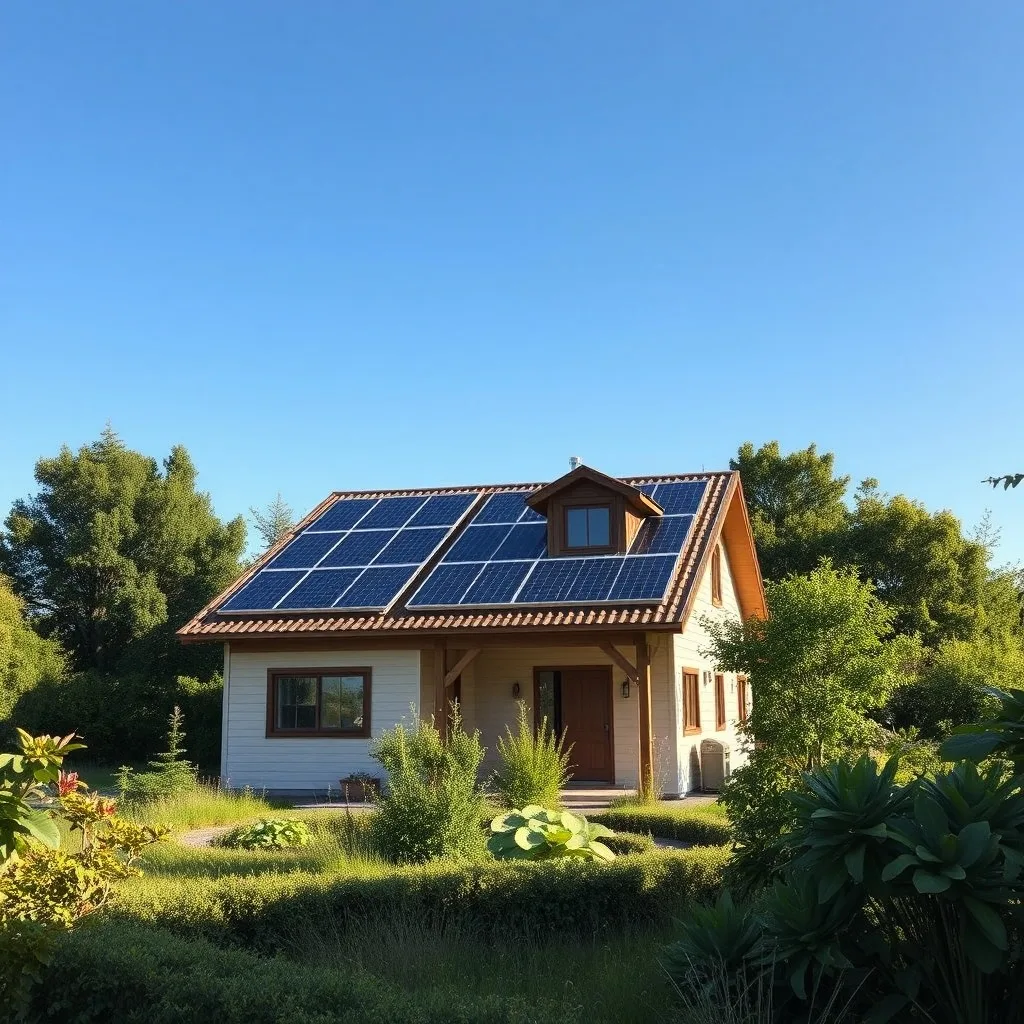
DIY off-grid solar kits let you build a self-contained power system without designing everything from scratch — bundling panels, a charge controller, battery, and inverter into a single purchase. They are the fastest way to get a cabin, shed, van, or workshop running on its own power. This guide explains what a kit does and does not include, how to pick a size, when a kit beats a custom build, and the details that separate a kit that works for years from one that disappoints.
Table of Contents
- What a Typical Kit Includes
- Kit Sizes and Use Cases
- Kit vs Building Your Own
- Choosing the Right Kit
- Frequently Asked Questions
What a Typical Kit Includes
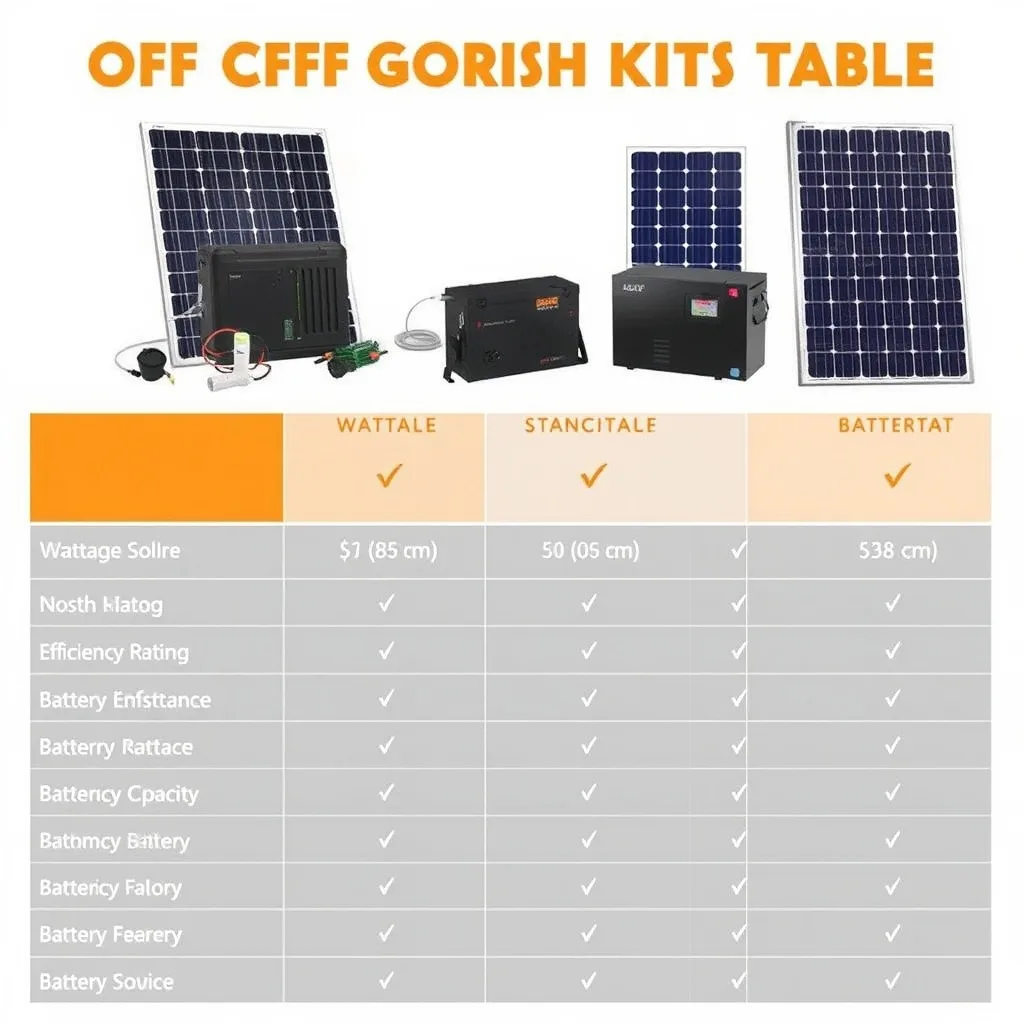
Most kits bundle panels, an MPPT charge controller, a battery (often lithium in current kits), an inverter, and the basic cabling to connect them. What’s usually NOT included: mounting hardware specific to your structure, wire beyond a basic starter length, and any fusing/disconnects your local code requires.
The four core components
The panels turn sunlight into DC electricity. The charge controller regulates that DC into the battery so it charges safely and fully. The battery stores energy for night and cloudy days. The inverter converts battery DC into the AC that ordinary appliances use. The U.S. Department of Energy’s system design basics page describes how these pieces fit together in any PV system, grid-tied or not.
What the box usually leaves out
Expect to buy roof or ground mounts, longer runs of correctly sized wire, DC fuses or breakers between each component, a battery disconnect, grounding hardware, and a combiner box if the kit has more than a couple of panels. Budget for these before comparing kit prices, because a bargain kit with none of them can end up costing more than a complete one. Our essential off-grid gear guide lists the extras.
Lithium or lead-acid
Current kits mostly ship with lithium iron phosphate batteries, which tolerate deeper discharge, last more cycles, and need no maintenance. Older or cheaper kits may still use sealed lead-acid, which is heavier and should not be discharged below about half its capacity on a regular basis. Our off-grid battery guide compares the chemistries in detail.
Kit Sizes and Use Cases
| Kit Size | Typical Use Case | Typical Battery | What It Runs |
|---|---|---|---|
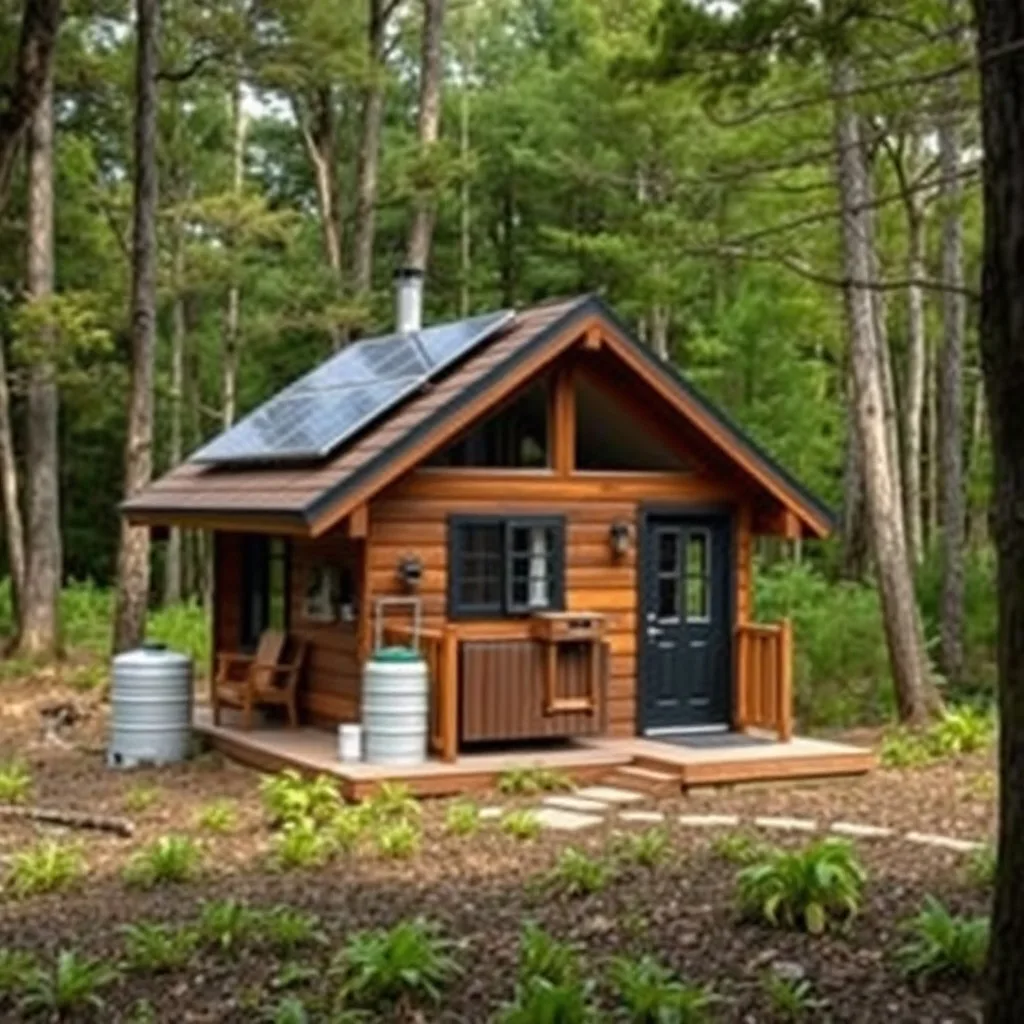
| 100-200W | Small cabin, shed, basic lighting/charging | 12 V, roughly 1 kWh | LED lights, phone and laptop charging, small fan, radio |
| 400-800W | Weekend cabin, RV, small off-grid setup | 12 or 24 V, 2-5 kWh | Above plus a compact fridge, water pump, TV, power tools in short bursts |
| 1-3kW+ | Tiny home, workshop, more complete off-grid living | 24 or 48 V, 5-15 kWh | Full-size fridge, well pump, washing machine, microwave, workshop tools |
| 3-6kW+ | Year-round off-grid home | 48 V, 15-30 kWh | Whole-house loads short of electric heating and cooking |
The figures above are typical pairings, not rules; sunlight at your site sets how much a given panel wattage actually produces. The DOE’s solar radiation basics explains why the same panel yields more in Arizona than in Maine. For cabins in particular, see our off-grid cabin solar guide.
Portable power stations versus kits
An all-in-one portable power station with a folding panel is sometimes sold as a solar kit. It is convenient for camping and short outages, since the battery, inverter, and controller share one case with no wiring. The tradeoffs are a smaller battery, limited expansion, and a price per kilowatt-hour that is usually higher than a component kit. For a structure you will power every day, a proper kit with a separate battery bank is the better long-term buy. For a van or a weekend site that moves, the power station often wins on simplicity.
Winter and shoulder seasons
Kit ratings assume decent sun. Short winter days and snow can cut daily production by more than half at northern sites, so a kit that is comfortable in July may run short in January. Oversizing the array or planning a generator backup covers the gap; our off-grid winter guide explains the adjustments.
Kit vs Building Your Own
Kits are pre-matched for compatibility, saving research time and avoiding component mismatch mistakes — genuinely valuable for a first off-grid project. Building component-by-component gives more control over exact specs and can be cheaper for specific needs, but requires real technical knowledge to avoid compatibility errors.
Where kits win
Voltage matching is the classic beginner mistake: a controller rated for a lower input voltage than the string delivers, or an inverter that expects 24 V on a 12 V battery. A kit removes that risk. Kits also come with a single support line and a single warranty contact, which matters when something fails in the field.
Where custom wins
If you already own panels, need a specific inverter feature such as split-phase output or generator input, or want more battery than any kit offers, buying components separately is the better path. Custom builds also let you choose a higher system voltage, which cuts wire size and losses on larger arrays. Our off-grid inverter roundup covers the features worth paying for.
The middle path
Many people buy a kit for the matched core, then add mounts, wiring, and protection to suit the site. That keeps the compatibility guarantee while fixing the kit’s usual gaps.
Choosing the Right Kit
Size the kit around your actual power needs, calculated the same way as any off-grid system — total daily watt-hours for your critical loads, with a buffer. Check that the included inverter is pure sine wave, not modified sine wave, if you plan to run any sensitive electronics.
Do the load count first
List every device, its wattage, and the hours per day it runs. Multiply and add to get daily watt-hours. Then add a margin of roughly a quarter to a third for inverter losses, cloudy days, and the loads you forgot. Size the battery to cover at least one full day without sun and the array to refill it in a typical day of local sunlight.
Check the details that matter
Look for an MPPT controller rather than PWM, a pure sine wave inverter, a lithium battery with a built-in battery management system, and a controller with enough voltage and current headroom to add a panel or two later. Confirm the kit’s inverter has the surge capacity for motors such as a well pump or a fridge compressor, which draw several times their running wattage at start-up.
Code and safety
Even off-grid, wiring should follow the National Electrical Code, published by the NFPA as NFPA 70, including overcurrent protection on every conductor from the battery and a means of disconnect. Many jurisdictions require a permit for a permanent installation even without a utility connection. If a problem appears after commissioning, our off-grid troubleshooting guide works through the common faults.
Frequently Asked Questions
Are DIY solar kits actually easy to install?
Reasonably so for basic setups — components are pre-matched, though electrical wiring skill is still required.
What’s usually missing from a kit?
Mounting hardware for your specific structure, adequate wire length, and code-required fusing/disconnects.
Is a kit cheaper than buying components separately?
Often comparable or slightly more for the convenience, though it saves significant research and compatibility-checking time.
Can I expand a kit system later?
Usually yes within the charge controller’s rated capacity — check headroom before buying if expansion is likely.
Do kits include everything I need for a full off-grid setup?
Core electrical components yes, but typically not mounting hardware or full wiring/fusing to code.
Do I need a permit for an off-grid solar kit?
Often yes for a permanent installation on a building, even without a grid connection — check with your local building department before you start.
For sizing your critical loads first, see our off-grid solar system guide. For inverter-specific requirements, see our solar inverter for off-grid systems guide.
There is more detail on this in our off-grid solar in winter guide. See our off-grid solar vs generator guide for how this plays out in practice.
Before buying a kit, check which controller it ships with in MPPT vs PWM charge controllers.
Kit selection for small homes is discussed in tiny house solar.
Related Posts

Leave a Comment
Your comment will be published after it has been approved. Please send comments that do not contain slang words.