
Best portable solar chargers for EVs
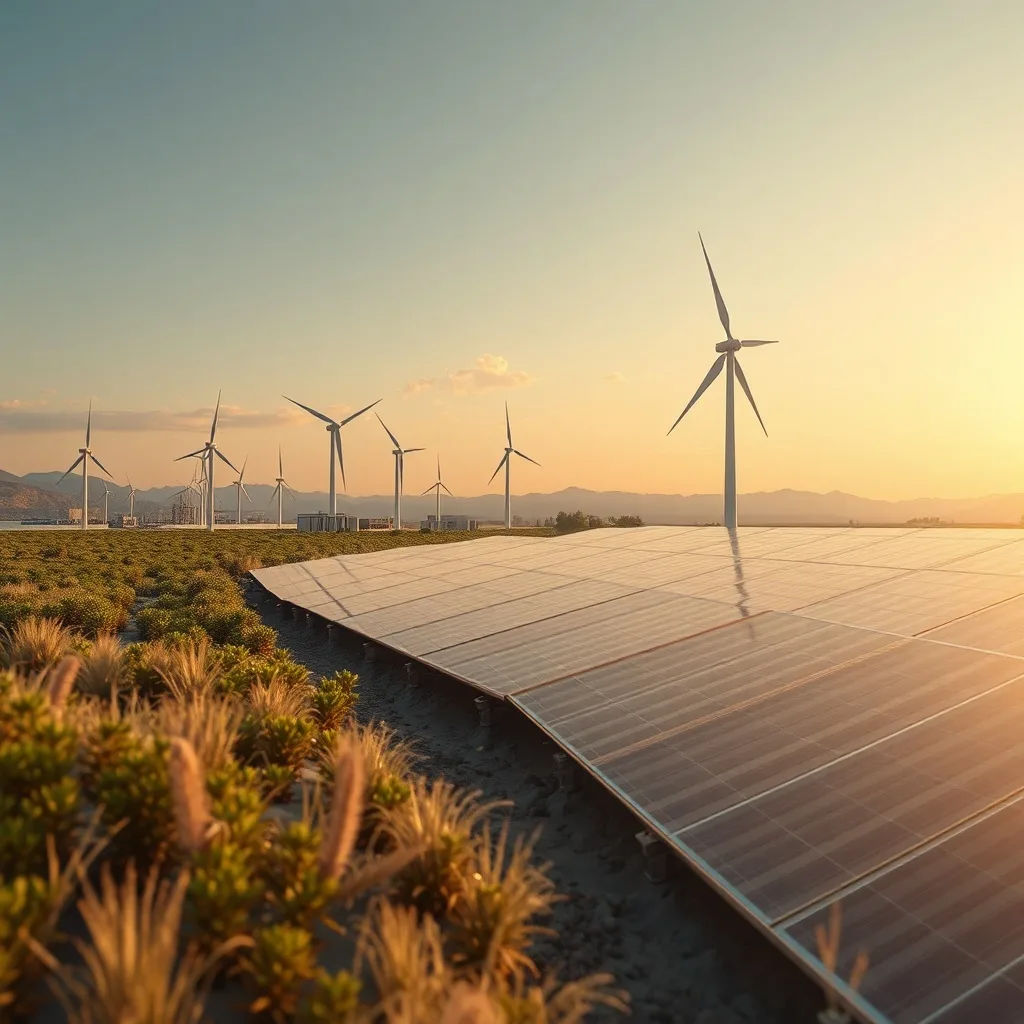
Best Portable Solar Chargers for EVs in 2026
Best portable solar chargers for EVs are becoming increasingly important as electric vehicle adoption expands far beyond urban charging networks. During renewable mobility expos in Munich, Las Vegas, and Shanghai throughout the past year, one infrastructure concern repeatedly surfaced among fleet operators, overlanding enthusiasts, off-grid travelers, and future mobility analysts: charging accessibility remains one of the largest limitations slowing mass EV adoption in remote environments.
Public charging infrastructure continues improving rapidly, but large portions of rural highways, desert regions, mountainous terrain, and developing markets still lack reliable charging access. This reality is driving growing interest in portable solar EV charging systems capable of generating electricity independently from traditional utility grids.
Portable solar charging technology is evolving quickly. Modern systems now combine foldable photovoltaic panels, lithium battery storage, smart inverters, and high-capacity portable power stations capable of supporting emergency EV charging under real-world field conditions. While most portable solar chargers cannot fully recharge large EV batteries quickly, they are becoming valuable tools for energy resilience, off-grid mobility, emergency backup charging, and sustainable travel.
Why Portable Solar EV Chargers Are Growing in Popularity
Electric vehicle infrastructure expansion is accelerating globally, but charging reliability gaps still remain significant in many regions.
Several EV drivers continue facing concerns involving:
- Rural charging availability
- Grid outages
- Disaster preparedness
- Camping and overlanding travel
- Remote work mobility
- Charging station downtime
Portable solar EV chargers offer a decentralized charging alternative capable of operating independently from fixed charging infrastructure.
Unlike conventional charging stations, portable solar systems can function in:
- Remote highways
- Off-grid environments
- Campgrounds
- Disaster zones
- Construction sites
- Mobile fleet operations
Portable charging systems are increasingly becoming part of broader transportation resilience strategies rather than simple outdoor accessories.
How Portable Solar EV Chargers Actually Work
Portable solar chargers for EVs typically combine several integrated technologies.
Most systems include:
- Foldable solar panels
- Portable power stations
- Battery energy storage
- Inverter systems
- Charge controllers
- EV charging adapters
The solar panels collect photovoltaic energy during daylight hours while portable battery systems store electricity for later use.
Portable power stations then convert stored DC electricity into stable AC power capable of supporting EV charging.
Companies such as GoSun are actively developing dedicated portable solar EV charging systems focused specifically on off-grid mobility applications. :contentReference[oaicite:0]{index=0}
However, charging speed remains one of the largest practical limitations.
Portable Solar Charging Is Much Slower Than Traditional Charging
One misconception frequently seen online is the idea that portable solar chargers can rapidly recharge large EV battery packs.
In reality, modern EV batteries are enormous compared to traditional portable electronics.
Large electric SUVs and trucks may contain battery packs exceeding:
- 80 kWh
- 100 kWh
- 120 kWh
Portable photovoltaic systems cannot currently match the charging speed of utility-scale DC fast charging stations.
Most portable solar charging systems today are better suited for:
- Emergency charging
- Range extension
- Off-grid support
- Camping applications
- Battery top-ups
- Energy backup
Research from Anker SOLIX explains that portable solar panels generally require high-capacity intermediary battery systems before safely supporting EV charging. :contentReference[oaicite:1]{index=1}

Best Portable Solar Chargers for EVs Right Now
GoSun EV Solar Charger
The GoSun EV Solar Charger is one of the most recognized dedicated portable solar EV charging concepts currently available.
The system focuses heavily on:
- Solar mobility
- Off-grid charging
- Emergency energy support
- Renewable transportation
GoSun positions the system as a fully portable solar charging solution designed specifically for EV owners seeking energy independence. :contentReference[oaicite:2]{index=2}
Jackery Explorer Series
The Jackery Explorer line remains popular among overlanding and outdoor EV users because of:
- Portable battery capacity
- Solar compatibility
- Fast charging support
- Relatively lightweight design
The Jackery Explorer 1000 V2 recently received strong reviews for portable energy reliability and expandable solar integration capabilities. :contentReference[oaicite:3]{index=3}
Anker SOLIX Systems
Anker SOLIX continues expanding aggressively into portable renewable energy infrastructure.
Its systems combine:
- Battery storage
- Portable solar support
- Home backup integration
- EV charging capability
The company is increasingly positioning itself at the intersection of residential energy storage and portable mobility infrastructure. :contentReference[oaicite:4]{index=4}
EcoFlow DELTA Pro
The EcoFlow DELTA Pro remains one of the most powerful portable energy systems capable of supporting EV charging assistance under certain conditions.
Popular among mobile energy enthusiasts because of:
- Large battery capacity
- Expandable storage
- Fast inverter performance
- Solar charging integration
Portable charging station comparisons frequently include EcoFlow among the strongest high-capacity options for off-grid EV support. :contentReference[oaicite:5]{index=5}
Battery Technology Is Critical for Portable Solar Charging
Portable solar EV charging depends heavily on modern battery chemistry improvements.
Lithium iron phosphate batteries are increasingly dominating portable energy systems because they offer:
- Longer cycle life
- Improved thermal stability
- Better safety performance
- Higher operational durability
Battery systems discussed in battery technology research are rapidly influencing portable charging scalability and long-term reliability.
Still, portable battery infrastructure faces several major challenges:
- Weight
- Thermal management
- Charging speed limitations
- Battery degradation
- Cost scalability
Portable EV charging systems capable of storing large amounts of electricity remain expensive and physically heavy.
Solar Efficiency Limits Portable Charging Speed
Portable photovoltaic charging systems are fundamentally limited by available solar surface area.
Even high-efficiency solar panels cannot rapidly generate enough electricity to fully recharge large EV battery packs within short timeframes.
Weather conditions also create major variability.
Charging performance depends heavily on:
- Sunlight intensity
- Panel angle
- Cloud cover
- Temperature
- Dust accumulation
- Geographic location
Portable solar charging systems perform significantly better in high-sunlight regions such as:
- Arizona
- Nevada
- Australia
- Middle East deserts
- Southern Spain
Cold-weather regions with limited winter sunlight face substantially lower photovoltaic charging efficiency.
Portable Charging Could Help During Grid Failures
One increasingly important use case for portable solar EV chargers involves energy resilience during emergencies.
Wildfires, hurricanes, storms, heatwaves, and grid instability events are exposing vulnerabilities in centralized electricity infrastructure.
Portable charging systems may become valuable backup infrastructure for:
- Emergency responders
- Remote medical support
- Disaster evacuation
- Off-grid mobility
- Backup transportation
Portable systems connected to solar battery storage infrastructure could eventually play larger roles in decentralized transportation resilience strategies.
Regional Market Trends for Portable Solar EV Charging
United States
The United States remains one of the largest markets for portable renewable energy products because of:
- Road-trip culture
- RV travel
- Camping demand
- Overlanding growth
- Grid outage concerns
States such as California, Texas, Arizona, and Colorado continue driving strong demand for off-grid charging technologies.
Europe
Europe is increasingly focusing on renewable mobility integration and sustainable travel infrastructure.
Portable solar charging systems are becoming attractive for:
- Eco-tourism
- Outdoor mobility
- Renewable travel
- Smart mobility ecosystems
China
China dominates portable battery manufacturing and photovoltaic supply chains globally.
Chinese companies continue scaling:
- Portable power stations
- Foldable photovoltaic systems
- Battery production
- Renewable mobility infrastructure
Middle East
Extreme solar potential combined with growing EV infrastructure investment is creating unique opportunities for portable solar charging technologies.
However, thermal stress remains a major operational concern.
Comparison Table: Portable Solar EV Charging Systems
| System | Main Advantage | Primary Limitation |
| GoSun EV Solar Charger | Dedicated portable EV charging concept | Limited charging speed |
| Jackery Explorer Series | Portable battery flexibility | Large EV charging limitations |
| EcoFlow DELTA Pro | High-capacity portable storage | Heavy system weight |
| Anker SOLIX Systems | Integrated renewable energy ecosystem | Premium pricing |
| Foldable Solar Panel Systems | High portability | Weather dependence |
Future Portable EV Charging Technologies
Portable EV charging infrastructure will likely evolve rapidly during the next decade.
Several technologies may significantly improve performance:
- Solid-state batteries
- Higher-efficiency photovoltaic cells
- AI energy optimization
- Ultra-light battery materials
- Flexible solar panels
- Vehicle-to-grid integration
Research involving decentralized charging optimization and smart photovoltaic integration continues expanding rapidly within mobility infrastructure sectors. :contentReference[oaicite:6]{index=6}
Portable charging may eventually become part of broader distributed mobility ecosystems connected to:
- Smart cities
- Renewable microgrids
- Virtual power plants
- AI traffic systems
- Distributed battery networks
Sources
The National Renewable Energy Laboratory continues publishing research regarding renewable transportation systems and EV charging infrastructure.
The International Energy Agency regularly analyzes EV adoption trends, charging scalability, and future mobility infrastructure development.
The BloombergNEF continues studying battery markets, portable energy systems, and transportation decarbonization investment trends.
Frequently Asked Questions
Can portable solar chargers fully charge an EV?
Most portable solar chargers currently support emergency charging, range extension, or battery top-ups rather than rapid full charging for large EV battery packs.
Are portable solar EV chargers practical?
They can be practical for camping, overlanding, remote travel, emergency backup charging, and off-grid mobility support.
What limits portable solar EV charging?
Charging speed is primarily limited by solar panel size, battery capacity, weather conditions, and inverter power output.
Which battery chemistry works best for portable charging?
Lithium iron phosphate batteries are increasingly preferred because of their durability, safety, and thermal stability.
Will portable solar charging improve in the future?
Most analysts expect major improvements through better batteries, higher-efficiency solar panels, AI energy management, and lighter portable power systems.
The Long-Term Outlook for Portable Solar EV Charging
Portable solar charging will likely remain a specialized but increasingly important part of future mobility infrastructure.
While portable systems cannot currently replace utility-scale charging networks, they offer valuable advantages involving:
- Energy resilience
- Off-grid mobility
- Renewable transportation
- Emergency backup charging
- Distributed energy flexibility
As EV adoption accelerates globally, decentralized charging systems may eventually become critical supplements to centralized charging infrastructure.
The broader transition toward low-carbon transportation will likely depend not only on electric vehicles themselves, but also on how flexibly and sustainably future charging ecosystems operate under real-world conditions.
A full built-in system is covered in van life solar.
For garden and path lighting instead, see outdoor solar lights.
Related Posts

Leave a Comment
Your comment will be published after it has been approved. Please send comments that do not contain slang words.