
Building Integrated Photovoltaics
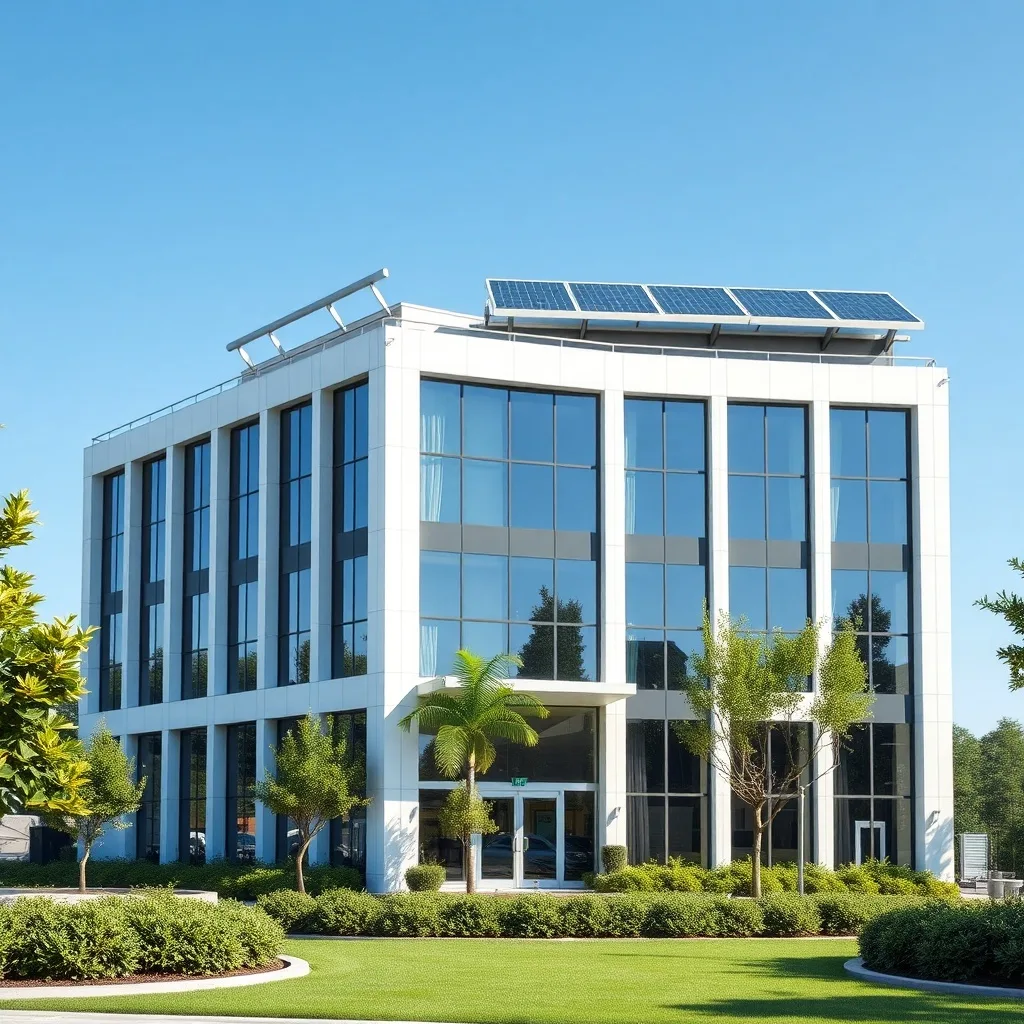
Building-integrated photovoltaics (BIPV) replace conventional building materials — roofing, facades, windows — with solar-generating equivalents, rather than adding panels on top of existing materials.
Table of Contents
- What Makes BIPV Different
- Common BIPV Applications
- BIPV vs Traditional Rack-Mounted Solar
- Cost Considerations
- Frequently Asked Questions
What Makes BIPV Different
Traditional rooftop solar mounts panels on top of an existing roof, which stays the primary weatherproofing and structural material. BIPV products — solar shingles, facade panels, skylights — instead serve as the building material itself, integrating power generation without a visually separate “solar panel” appearance.
Common BIPV Applications
Solar shingles, styled to resemble standard roofing, are the most common residential BIPV product, appealing to homeowners who want solar without the visually distinct look of standard panels. Commercial facade integration and solar skylights are other established applications, particularly for architecturally prominent buildings.
BIPV vs Traditional Rack-Mounted Solar
| Factor | BIPV | Traditional Rack-Mounted |
|---|---|---|
| Visual appearance | Blends with building material | Visually distinct panels |
| Cost per watt | Higher | Lower |
| Efficiency | Generally lower than dedicated panels | Higher, optimized purely for generation |
| Best for | Aesthetic priority, architectural projects | Maximum power generation per dollar |
Cost Considerations
BIPV products typically cost more per watt of generation than traditional rack-mounted panels, since you’re paying for both building material function and power generation combined. This premium can be justified when BIPV replaces a building material you’d need to install regardless (like a new roof), but rarely competes purely on generation cost-effectiveness alone.
Frequently Asked Questions
Are solar shingles the same as BIPV?
Yes, solar shingles are the most common residential BIPV product, integrating power generation directly into roofing material.
Is BIPV more expensive than standard solar panels?
Generally yes, per watt of generation, though the premium can be justified when it replaces building material you’d need anyway.
Is BIPV as efficient as traditional panels?
Generally lower efficiency, since BIPV products balance generation with building-material function and aesthetics.
Who typically chooses BIPV over standard panels?
Homeowners prioritizing aesthetics, or architects on commercial projects wanting integrated design rather than visible panels.
Does BIPV make sense if I just need a new roof anyway?
This is exactly the scenario where BIPV’s cost premium is most easily justified, combining both functions in one purchase.
For transparent window applications specifically, see our transparent solar panels guide. For standard high-efficiency alternatives, see our latest solar panel technology guide.
For the pricing side of integrated roofing products specifically, read solar shingles cost.
Related Posts

Leave a Comment
Your comment will be published after it has been approved. Please send comments that do not contain slang words.