
Transparent Solar Panels
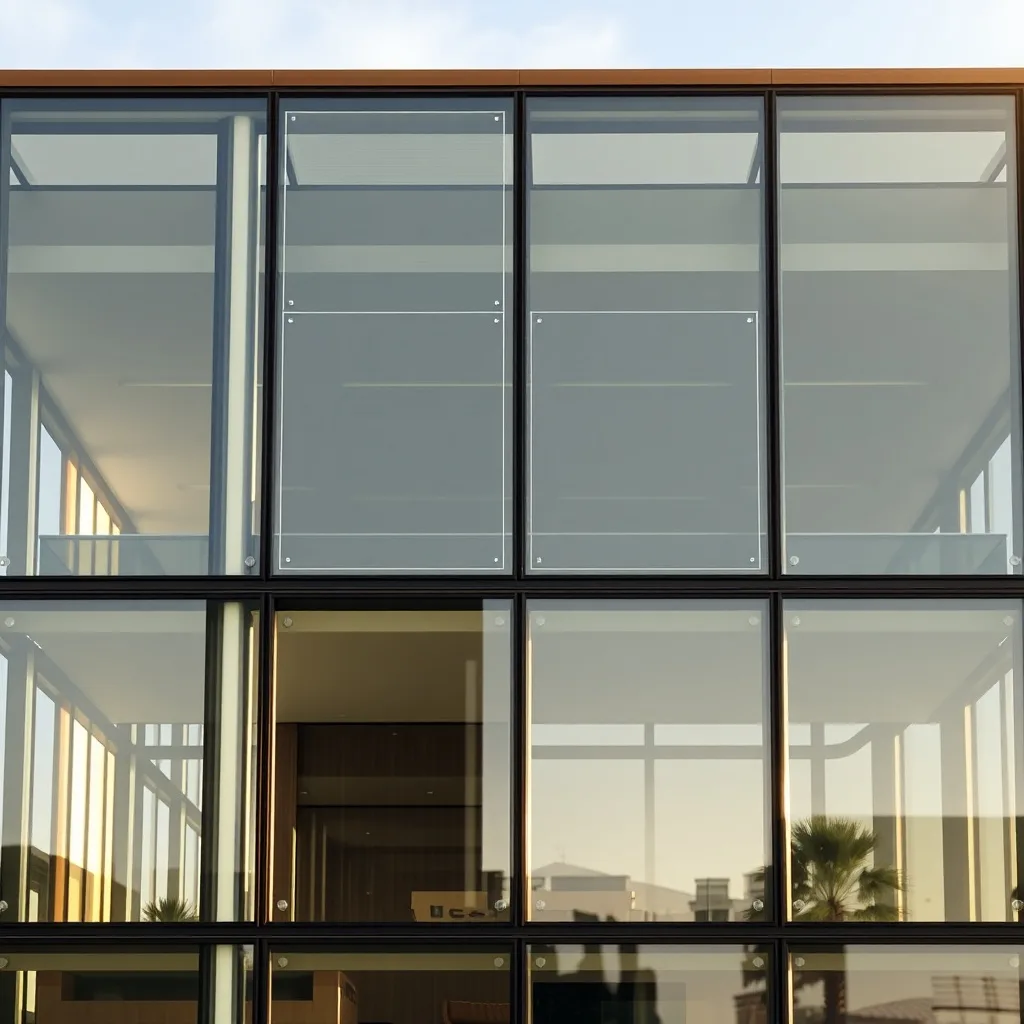
Transparent solar panels let light pass through while still generating electricity — opening genuinely new applications like solar windows, though with real efficiency tradeoffs compared to standard opaque panels.
Table of Contents
- How Transparency and Power Generation Coexist
- Real Applications Beyond Novelty
- The Efficiency Tradeoff
- Current Commercial Availability
- Frequently Asked Questions
How Transparency and Power Generation Coexist
Transparent solar technology typically captures ultraviolet and infrared light — wavelengths invisible to human eyes anyway — while letting visible light pass through normally. This is fundamentally different from simply making a standard panel thinner or partially see-through, which would sacrifice most power generation for partial transparency.
Real Applications Beyond Novelty
Building windows are the most discussed application — turning a skyscraper’s entire glass facade into a power source without changing its appearance or blocking views. Vehicle sunroofs, greenhouse glazing (letting plant-usable light through while generating power), and electronic device screens are other genuinely explored applications.
The Efficiency Tradeoff
| Panel Type | Typical Efficiency |
|---|---|
| Standard opaque panel | 18-23% |
| Transparent solar panel | Currently well below standard panels, single digits to low double digits typically |
Current Commercial Availability
Transparent solar remains a specialized, early-commercial technology — not something typically available for standard residential roof installation. Its real value proposition is generating power from surfaces that couldn’t otherwise host solar at all (windows, screens), not competing with standard opaque panels on efficiency for roof applications.
Frequently Asked Questions
Can I install transparent solar panels on my roof instead of standard ones?
Not typically recommended — standard opaque panels remain far more efficient for conventional roof installations.
What’s the point of transparent solar if it’s less efficient?
It generates power from surfaces (windows, screens) that couldn’t otherwise host solar at all, not as a roof-panel replacement.
Is transparent solar available for home windows today?
Still early-commercial and specialized, not yet a mainstream consumer product for typical homes.
How transparent are these panels really?
Varies by product, but they’re designed to let most visible light through while capturing UV/infrared for power.
Will transparent solar ever match standard panel efficiency?
Unlikely to fully match, given the fundamental tradeoff between transparency and light absorption, but efficiency continues improving.
For building-scale integration specifically, see our building integrated photovoltaics guide. For standard high-efficiency options available today, see our latest solar panel technology guide.
Our floating solar panels guide works through the details. See our secure your solar panels guide for how this plays out in practice.
The light-competition problem is explained in greenhouse solar power.
Related Posts

Leave a Comment
Your comment will be published after it has been approved. Please send comments that do not contain slang words.