
Cold Climate Solar Panels
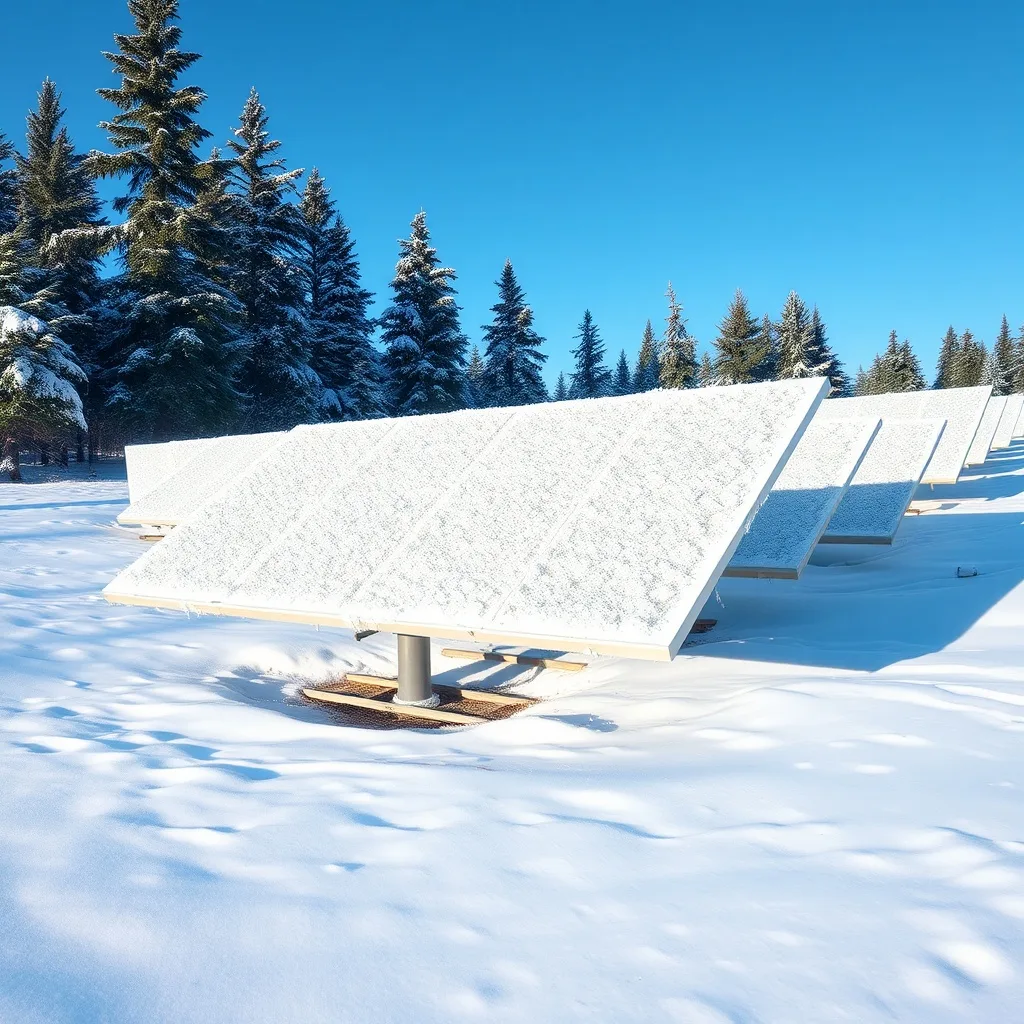
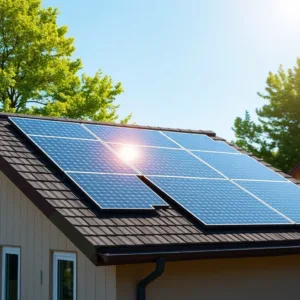
Solar panels work well in cold climates — cold temperatures don’t hurt performance, and modern equipment handles snow, ice, and freeze-thaw cycles fine. A few climate-specific choices still matter. This guide separates the physics from the folklore: why cold cells actually produce more, where the real winter losses come from, and which equipment and installation decisions pay off in a northern climate.
Table of Contents
- Cold Weather Performance
- Equipment Choices for Cold Climates
- Cold Climate Considerations
- Installation Tips for Snow Regions
- Frequently Asked Questions
Cold Weather Performance
Solar cells are semiconductors that actually perform slightly better electrically in cold temperatures than in extreme heat. Cold climates lose production mainly from shorter winter days and lower sun angle, not from the cold itself — a genuinely counterintuitive fact worth knowing before assuming solar is a poor fit for a northern climate.
The physics in one paragraph
A panel’s output is voltage times current. The U.S. Department of Energy’s performance and efficiency basics explains that heat raises a cell’s current slightly but lowers its voltage much more, so hot panels lose power. Cold does the reverse: voltage climbs and output rises. A crisp, clear January noon can push a panel past its nameplate rating for a short while, which is why installers size string voltage for the coldest expected morning.
Where the winter loss really comes from
Day length and sun angle do the damage. In December a site at 45 degrees latitude gets far fewer hours of sun than in June, and the sun sits low, so light crosses more atmosphere and strikes the panel at a shallow angle. The DOE’s solar radiation basics covers how latitude and season set the available energy. Snow cover adds a few days of near-zero output on top, but for a properly tilted array it is a smaller factor than the calendar.
The annual picture
Because summer days are long and cool-weather days are efficient, many northern sites produce a respectable annual total. Cloud cover, not temperature, is the variable that separates a good northern site from a poor one. Our cloudy weather guide covers that side.
Equipment Choices for Cold Climates
Standard panels handle cold temperatures fine without special modification. Inverters, however, benefit from confirming their low-temperature operating rating, since some budget units derate performance below certain thresholds. A steeper roof tilt, common in snowy regions anyway for structural reasons, also helps snow shed faster.
Panels
Every reputable panel is tested for thermal cycling between roughly minus 40 and plus 85 degrees Celsius as part of standard certification, so ordinary cold is well inside the design envelope. Two specs are worth reading: the mechanical load rating, which shows how much snow weight the glass and frame tolerate, and the temperature coefficient, which tells you how much output changes per degree. A frameless or glass-glass module sheds snow a little more readily because there is no frame lip for it to catch on.
Inverters and batteries
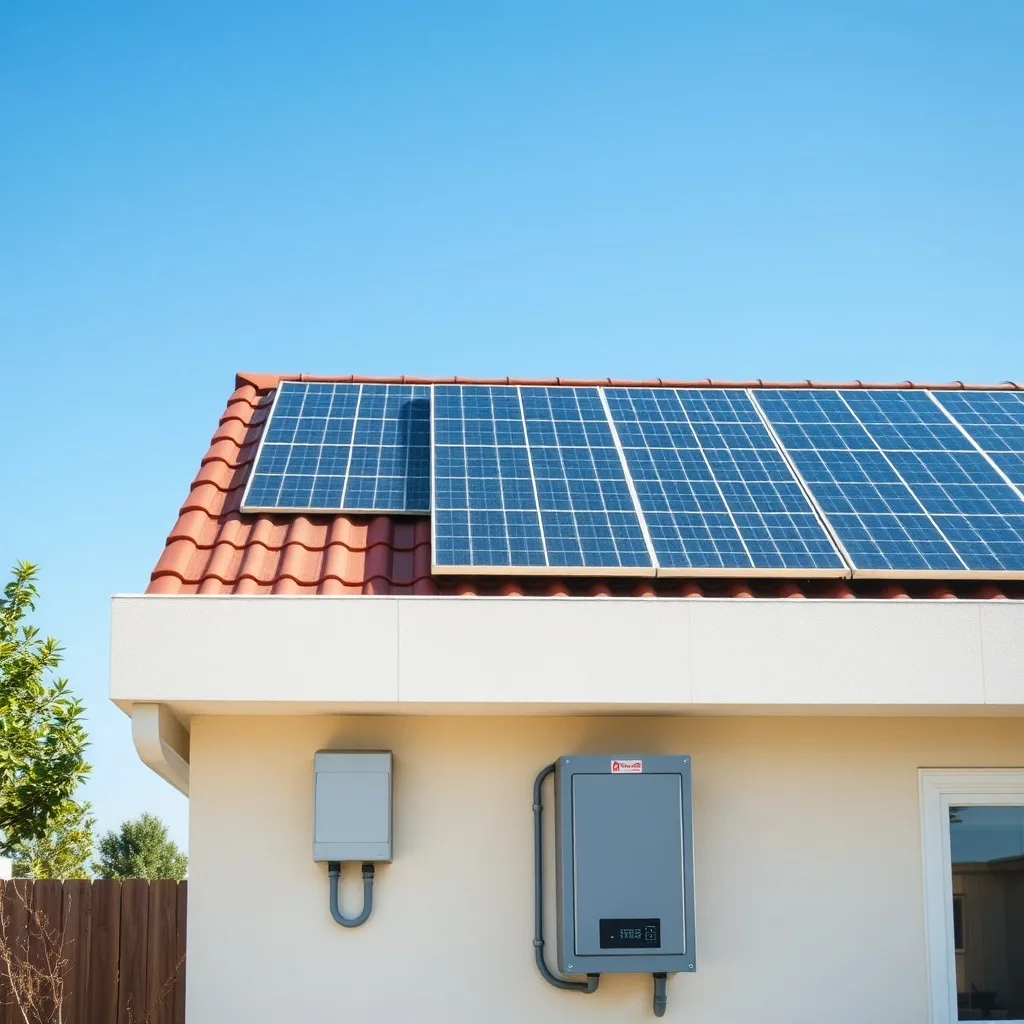
Inverters mounted outdoors in a cold region should carry an operating range that covers your winter lows; indoor mounting in a garage or utility room avoids the question. Lithium batteries are more sensitive: most cannot be charged below freezing without a heater, so an outdoor battery in a cold climate needs a heated enclosure or an indoor location. Our components hub covers the specifications to compare.
Microinverters and optimizers in the cold
Roof-mounted electronics live under the panels, where they are shielded from the worst wind but exposed to every temperature swing. Manufacturers rate them for the same wide range as the panels, and failures in cold climates are no more common than elsewhere. Their real advantage in snow country is partial shading: when one row of an array is still buried while the top row is clear, panel-level electronics let the clear panels produce at full output instead of being dragged down by the covered ones.
Wiring and connectors
Cold makes cable insulation stiff and brittle. Ask the installer to use wire rated for low temperatures, to leave gentle bends rather than tight ones, and to clip conductors so they cannot chafe when the wind moves them. Connectors should be fully seated and, on exposed runs, protected from standing water that could freeze inside the housing. Most cold-weather electrical problems trace back to a connector that was loose from day one, which our degradation guide lists among the avoidable causes of early output loss.
Cold Climate Considerations
| Factor | Cold Climate Impact | How To Handle It |
|---|---|---|
| Cell efficiency | Slightly better in cold vs extreme heat | No action needed; enjoy the bonus on clear cold days |
| Daylight hours | Significantly shorter in winter | Size for annual production and use net metering credits across seasons |
| Snow load | Panels rated for substantial weight; steeper tilt helps shedding | Check the panel’s mechanical load rating against local snow loads |
| Inverter cold rating | Worth confirming for consistently sub-zero regions | Mount indoors or confirm the outdoor operating range |
| String voltage | Cold raises open-circuit voltage | Installer sizes strings for the record low temperature so the inverter limit is never exceeded |
| Battery charging | Lithium cannot charge below freezing | Indoor placement or a heated enclosure |
| Freeze-thaw on the roof | Ice dams and expanding water stress flashing | Quality flashing at every penetration; inspect each spring |
Installation Tips for Snow Regions
Choosing a steeper mounting angle when structurally feasible speeds natural snow shedding. Ensuring adequate airflow behind panels prevents ice buildup issues. Working with an installer experienced in your specific regional climate matters more than chasing a specific “cold climate” panel model — most quality panels handle cold fine regardless of marketing.
Tilt and orientation
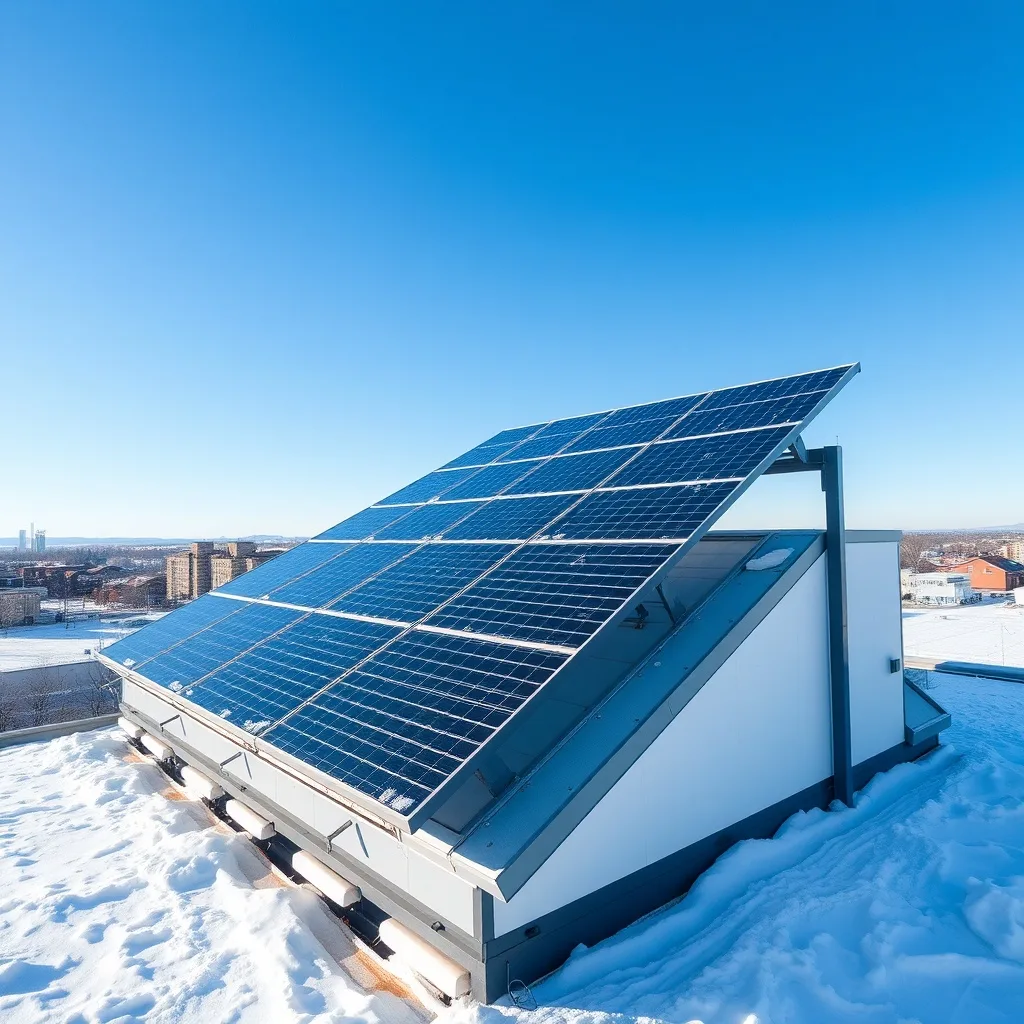
A tilt close to your latitude favors winter production and helps snow slide. On a low-pitch roof, a tilted rack can add the angle, at the cost of more wind load and a stronger attachment. Leave a gap at the bottom edge of the array so sliding snow clears the frame instead of piling against it.
Roof, gutters, and safety
Snow that sheds off an array comes down in one sheet. Plan where it lands: not on a walkway, a gas meter, or a heat pump. Snow guards above doorways may be required. Gutters take a beating from sliding snow and ice, so heavy-duty brackets are worth the small extra cost. Never climb an icy roof to clear panels; the National Weather Service’s winter safety guidance covers cold-weather hazards, and our maintenance hub covers what can be done safely from the ground.
Ground mounts in snow country
Where land allows, a ground mount lets you set a steep tilt, raises the array above drifts, and puts the panels within reach for safe clearing. It also keeps the roof free of penetrations that ice can exploit.
Spring check
Once the snow is gone, walk the property and look up. Check that no panel has slipped, that flashing and gutters survived the sliding snow, and that the monitoring app shows every panel or string producing. A short spring inspection catches the small damage winter leaves behind before it becomes a leak or a lost string in summer.
Frequently Asked Questions
Do solar panels work well in cold climates?
Yes, cold doesn’t hurt performance and can even slightly improve cell efficiency compared to extreme heat.
Do I need special “cold weather” solar panels?
No, standard quality panels handle cold climates fine without special modification.
Does snow load damage panels?
Panels are engineered to handle substantial snow weight; proper mounting and tilt help manage it further.
Why is winter production lower if cold helps efficiency?
Shorter daylight hours and lower sun angle outweigh the small cold-efficiency benefit.
Should I choose a steeper panel angle for snow?
Yes, where structurally feasible — it helps snow shed faster and reduces prolonged coverage.
Can a solar battery stay outside in a cold climate?
Only if it has built-in heating or a heated enclosure — most lithium batteries will not charge below freezing, so indoor placement is the safer choice.
For snow removal specifics, see our solar panel snow removal guide. For broader seasonal upkeep, see our winter maintenance guide.
Our do solar panels work in cloudy weather guide works through the details.
The envelope work that comes first is covered in attic insulation and energy savings.
Related Posts
Leave a Comment
Your comment will be published after it has been approved. Please send comments that do not contain slang words.