
Solar Panel Winter Maintenance
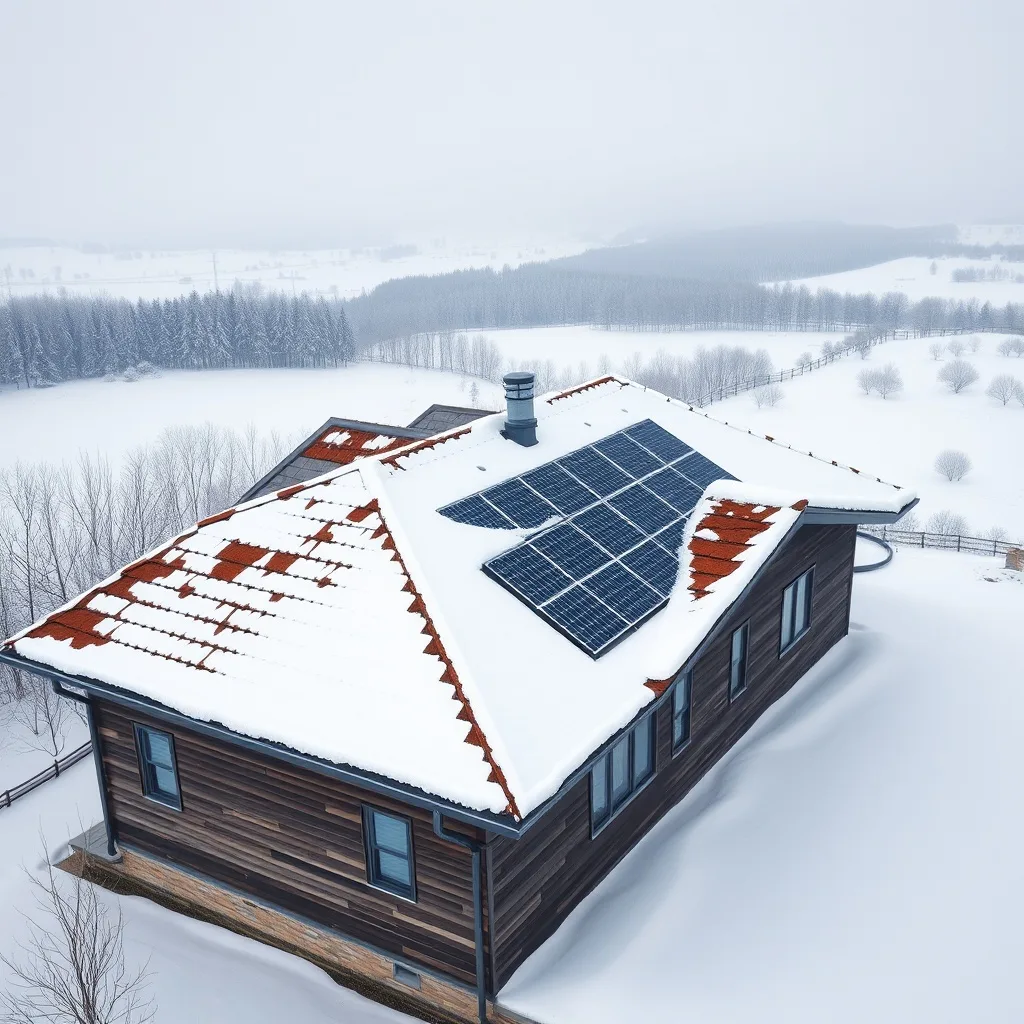
Winter solar maintenance is mostly about managing expectations and doing a few simple pre-season checks — panels are built to handle cold, snow, and ice without special intervention, and the biggest “problems” owners notice in winter are usually just normal seasonal production drops. This guide covers what a healthy winter looks like, the short checklist that actually matters, why cold weather helps efficiency, and how to tell a real fault from ordinary seasonal behavior.
Table of Contents
- What Normal Winter Production Looks Like
- Pre-Winter and Mid-Winter Checklist
- Checklist at a Glance
- The Cold-Weather Efficiency Benefit
- Frequently Asked Questions
What Normal Winter Production Looks Like
Winter production drops meaningfully compared to summer due to shorter days and lower sun angle, plus occasional snow cover — this is expected and factored into annual production estimates, not a sign of system problems. A well-functioning system in December producing far less than in June is operating normally.
Three things shrink winter output
First, day length: fewer hours between sunrise and sunset means fewer hours of generation. Second, sun angle: the winter sun sits lower in the sky, so light arrives at a steeper angle to the panel surface and passes through more atmosphere. The U.S. Department of Energy’s solar radiation basics page explains how the sun’s path and the atmosphere reduce the energy that reaches a fixed-tilt array. Third, weather: more cloud cover and snow cover in most northern climates.
What the numbers usually look like
The right comparison is your own system’s previous winter, or the month-by-month estimate your installer provided, not your summer peak. If your installer’s proposal included a monthly production table, keep it handy; a December that lands near the December estimate is a healthy December even if it is a fraction of July. Our monitoring apps guide shows how to pull month-by-month history from your system.
When a drop is not normal
A real fault looks different from a seasonal drop. Watch for one string or one panel producing far below its neighbors on a clear day, an inverter error code, production that stays at zero after snow has clearly slid off, or a sudden step down that does not track the weather. Those are worth a call; a smooth decline that follows the calendar is not.
Pre-Winter and Mid-Winter Checklist
Before winter: trim overhanging branches that could drop heavy snow or ice onto panels, clear gutters near the array, confirm your monitoring is working so you have baseline data. Mid-winter: after significant snow or ice events, do a visual check from the ground for obvious damage — but don’t climb on an icy roof.
Before the first snow
Walk the property and look up. Branches that hang over the array can shed heavy loads of snow and ice onto the panels or shade them once the sun angle drops. Clear the gutters and check that downspouts drain away from the house; ice dams near an array can lift flashing and stress the mounting. Log into your monitoring app and note last winter’s monthly totals so you have a baseline. If your system has a battery, confirm its enclosure temperature rating and, for outdoor units, that snow cannot pile against the vents.
After a storm
From the ground, look for cracked glass, panels sitting at a different angle than their neighbors, dangling wiring, or ice buildup at the lower edge of the array. Check the inverter display or app for error codes. Do not go on the roof; the National Weather Service’s winter safety guidance covers why ice and cold make falls and exposure more likely, and a roof adds height to that risk. Snow usually slides off tilted glass on its own within a day or two of sun. Our snow removal guide covers when clearing is worth it and how to do it safely.
Late winter
As days lengthen, production should climb steadily. If it does not, compare string-level or panel-level data; a panel that stayed dark while the rest recovered may have been damaged by ice or debris. This is also a good time to book a professional inspection if you have not had one in a few years. The maintenance hub lists what an inspection should cover.
Batteries and inverters in the cold
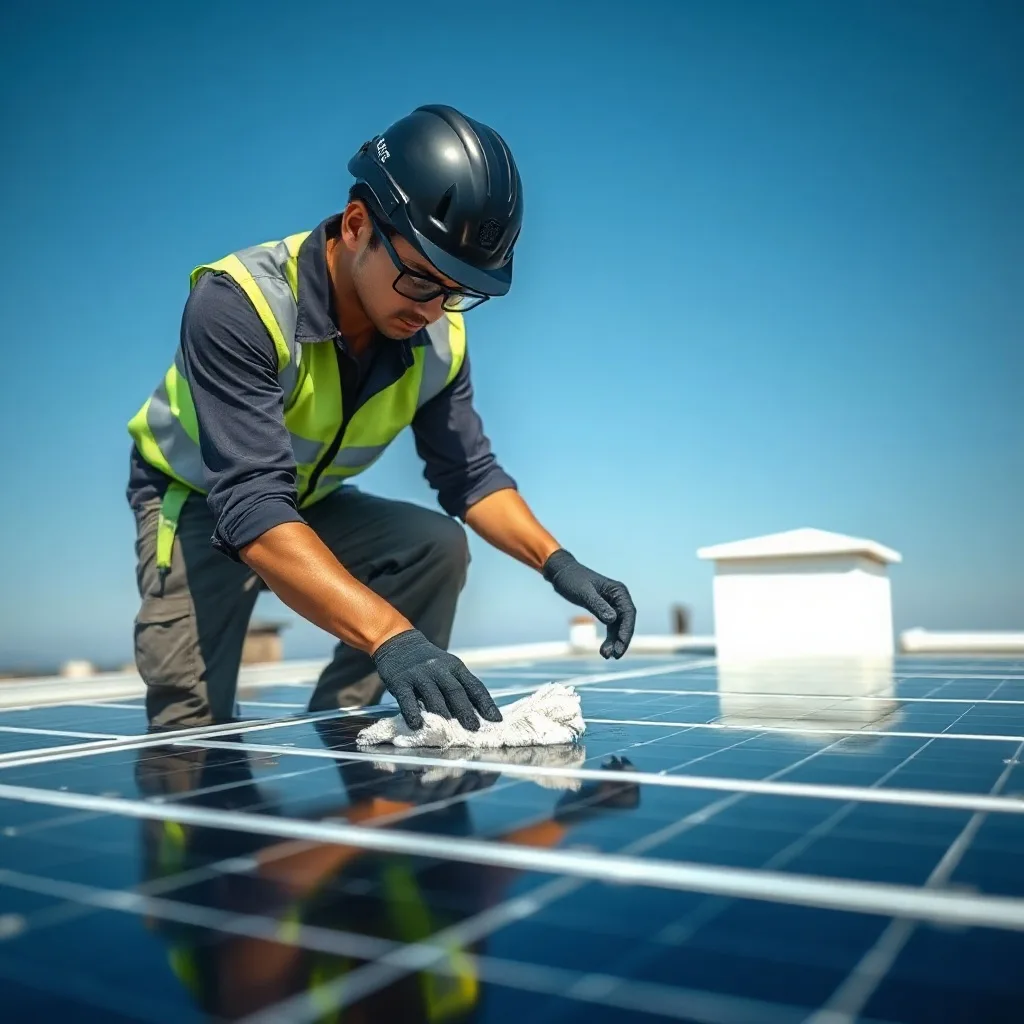
Panels tolerate cold well, but the rest of the system has limits. Lithium batteries typically restrict charging below freezing and rely on built-in heaters or a conditioned space; check the manufacturer’s operating range and keep outdoor enclosures clear of drifted snow. String inverters mounted in garages or on exterior walls are generally rated for winter temperatures, but their vents should stay unobstructed. If your inverter shows a temperature-related fault on a very cold morning, note the time and whether it clears once the sun is up before calling for service.
Checklist at a Glance
| Task | Timing | Why It Matters |
|---|---|---|
| Trim overhanging branches | Before first snow | Prevents snow and ice loads and low-angle winter shading |
| Clear nearby gutters | Before first snow | Reduces ice dams that stress flashing and mounts |
| Record last winter’s monthly totals | Before first snow | Gives an honest baseline for comparison |
| Compare production to winter baseline, not summer | Ongoing | Avoids false alarms from normal seasonal drop |
| Post-storm visual check | After significant snow/ice events | Catches cracked glass or shifted panels early |
| Check inverter for error codes | After storms and monthly | Separates a real fault from a weather dip |
| Watch late-winter recovery | February onward | A panel that stays dark as days lengthen needs attention |
The Cold-Weather Efficiency Benefit
Solar panels actually perform more efficiently in cold temperatures — the same sunlight produces more power on a cold clear day than a hot one. Winter’s problem is less sun, not worse panel performance, which is why bright cold days can show surprisingly strong production despite the season.
Why cold helps
Photovoltaic cells lose voltage as they heat up. The Department of Energy’s performance and efficiency basics page notes that higher temperatures raise a cell’s current slightly but reduce its voltage by much more, so net output falls as panels warm. In winter the reverse happens: a cold panel holds a higher voltage, and on a clear day the array can briefly run above its summer output for the same sunlight.
Snow reflection and clear air
Fresh snow on the ground reflects a large share of sunlight back up, and some of that reaches the array, especially for tilted or bifacial modules. Cold, dry winter air is also clearer than humid summer air. Neither effect makes up for the short days, but they explain why a cold clear afternoon in January can look surprisingly good in the monitoring app. Our cold-climate panels guide covers module choices for snowy regions.
Off-grid systems need a different winter plan
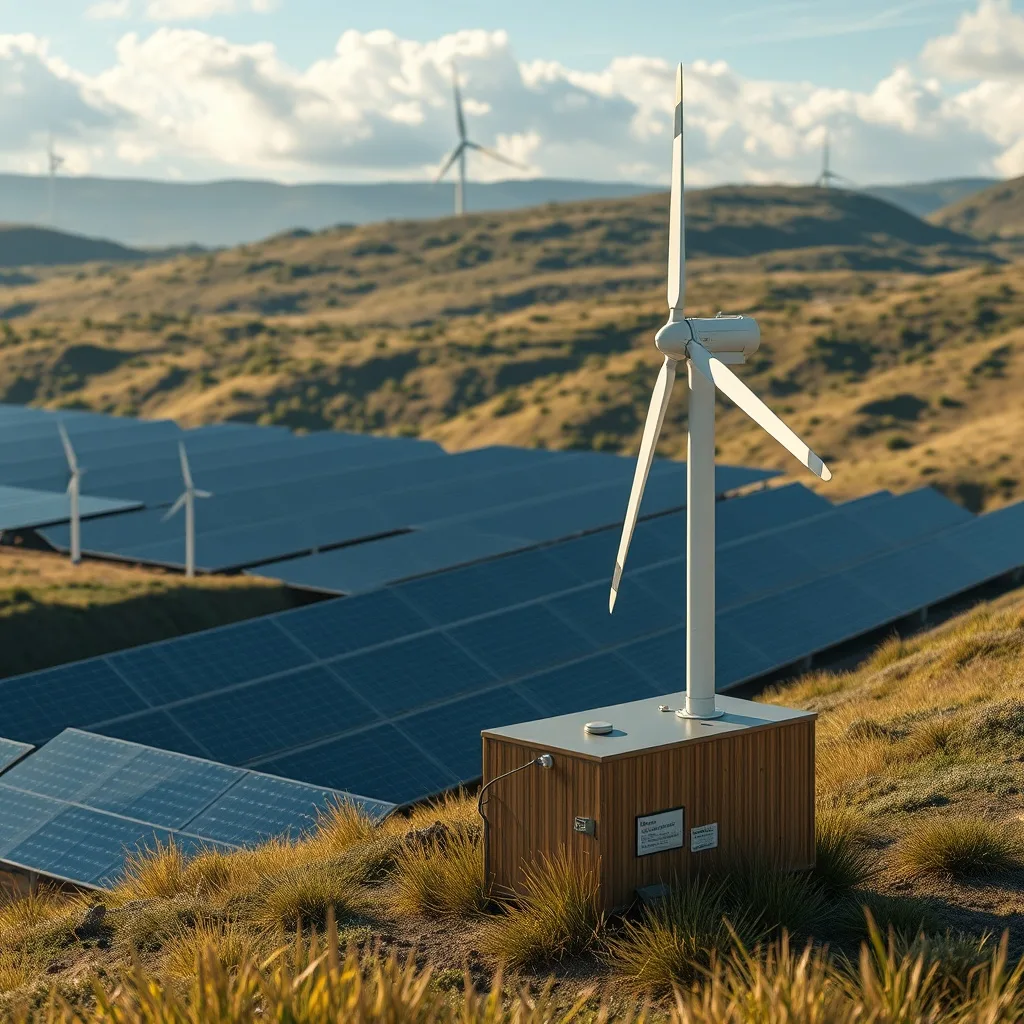
If your system runs without a grid connection, winter is the season that tests the design: short days mean less charging, and a run of cloudy weather can drain storage. Reduce discretionary loads, keep the generator fueled and exercised, and review the state of charge daily. Our off-grid winter guide goes into sizing and backup strategies for cabins and homes that cannot lean on the grid.
Frequently Asked Questions
Is a large winter production drop normal?
Yes — shorter days, lower sun angle, and snow cover all reduce output; this is expected and part of your annual estimate.
Can cold weather damage solar panels?
No, panels are rated for extreme cold; cold actually improves their electrical efficiency.
Should I compare winter production to summer?
No — compare to your previous winter’s baseline; summer comparisons will always look alarming.
Do I need any special winter preparation?
Just basic checks: trim branches, clear gutters, and confirm monitoring works before winter arrives.
What if ice damages my panels?
Report it to your installer and insurance; don’t attempt roof repairs or ice removal yourself on an icy roof.
Should I clear snow off my panels?
Usually not — tilted panels shed snow on their own within a day or two of sun, and roof work in winter is risky; a soft roof rake from the ground is the only safe option if you must.
For snow-specific guidance, see our solar panel snow removal guide. For extreme cold climates specifically, see our cold climate solar panels guide.
Attic ventilation interacts with winter roof problems, as explained in solar attic fans.
Related Posts
Leave a Comment
Your comment will be published after it has been approved. Please send comments that do not contain slang words.