
Solar Panel Insurance: What Your Homeowners Policy Actually Covers
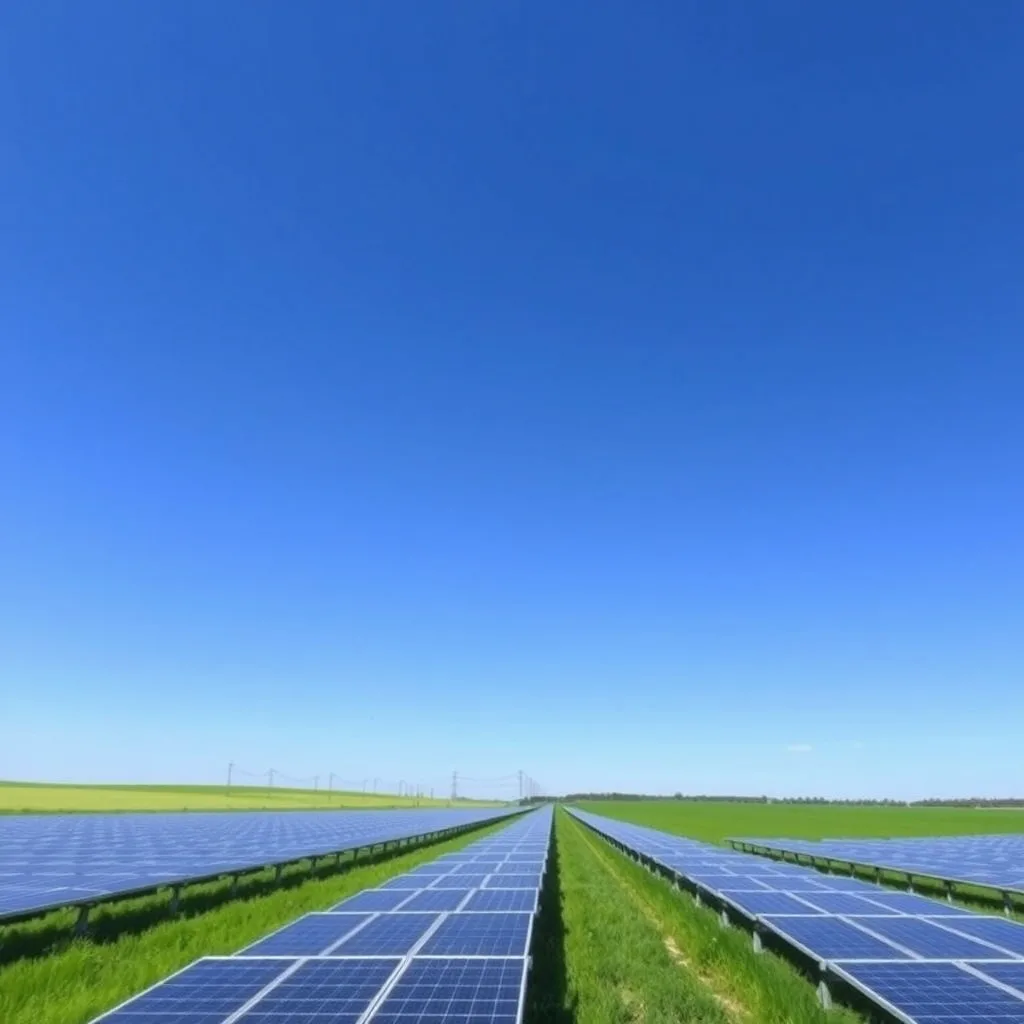
Quick answer: Roof-mounted panels you own are usually covered under the dwelling portion of a standard homeowners policy, because they are attached to the structure. Two things trip people up. You must tell your insurer so the dwelling limit is raised to include the system’s replacement cost, and a separate wind or hail deductible may apply, which in hail-prone states can be a percentage of the home’s value rather than a flat sum.
What this guide covers
- What is covered and under which part
- Why you must notify the insurer
- Coverage by scenario
- The deductible that surprises people
- Leased and power purchase systems
- What insurance never covers
- Common mistakes
- FAQ
What is covered and under which part
A standard homeowners policy has separate coverage sections, and where your system sits determines the limit that applies.
Roof-mounted panels are attached to the dwelling, so they normally fall under dwelling coverage along with the roof itself.
Ground-mounted arrays are usually treated as other structures, which typically carries a much lower limit, often a set percentage of the dwelling coverage. A large ground array can easily exceed that limit.
Battery systems may sit under dwelling coverage if permanently installed, or under personal property if they are portable. Ask specifically.
The perils covered are the ones named in your policy. Fire, lightning, wind, hail, falling objects and theft are commonly included. Flood and earth movement are commonly excluded and need separate cover.
Why you must notify the insurer
Adding a solar system increases the replacement cost of your home. If the dwelling limit was set before installation, it does not include the array.
In a total loss, you would be underinsured by roughly the value of the system. In a partial loss, some policies apply a coinsurance penalty when the dwelling is insured below a required percentage of replacement cost.
The notification is simple. Send the installer’s contract, the equipment list and the total installed cost, and ask for written confirmation that the dwelling limit has been increased and the system is covered.
Keep that confirmation with your system documents. See warranty claims for the wider file you should maintain.
Coverage by scenario
| Scenario | Usual treatment | Watch out for |
|---|---|---|
| Owned, roof mounted | Dwelling coverage | Limit must be raised |
| Owned, ground mounted | Other structures | Sub-limit often too low |
| Leased or PPA | Third party owner insures | Check your liability obligations |
| Battery storage | Depends on installation | Confirm in writing |
| Hail damage | Usually covered | Percentage deductible in some states |
| Flood | Usually excluded | Needs separate flood cover |
The deductible that surprises people
Many policies in wind and hail exposed states apply a separate deductible for those perils, expressed as a percentage of the dwelling coverage rather than as a flat amount.
On a home insured for a substantial sum, a one or two percent wind and hail deductible can be several thousand dollars. That figure can exceed the cost of replacing a handful of damaged panels, which means a small claim is not worth making at all.
Find out now which deductible applies to hail on your policy, and what the dollar figure actually is. It changes how you should think about panel durability. A panel rated for larger hail stones is worth more in that context, as covered in solar panel hail damage.
Leased and power purchase systems
If a third party owns the system, they generally insure the equipment. That does not make it irrelevant to you.
Read your lease or power purchase agreement for three things. Whether you are required to carry liability cover naming the owner. Who is responsible for roof damage arising from the installation. And what happens to the agreement if the house is damaged and the system must be removed.
Tell your own insurer that a third-party system is on the roof regardless. Some insurers have specific requirements or restrictions, and a non-disclosure can cause problems at claim time.
Also check what happens on sale. Transferring a lease to a buyer sometimes involves credit approval, and an unresolved arrangement can complicate a sale. See leasing versus buying.
What insurance never covers
Manufacturing defects. That is the manufacturer’s warranty, not a peril.
Normal degradation. Panels lose a small share of output every year by design. That is expected wear.
Poor workmanship. If the mounting was installed badly and leaks, that is the installer’s workmanship warranty.
Lost production. Standard homeowners policies do not pay for the electricity you did not generate while waiting for repairs.
Wear on an old roof. If the roof itself failed from age, the claim is likely to be denied regardless of the panels on it.
Knowing which of the three parties to approach, insurer, manufacturer or installer, saves weeks. Our guide to vetting a solar company explains the three-warranty structure.
Common mistakes
Not telling the insurer at all. The most common and the most expensive.
Assuming a ground mount is covered like the roof. It usually falls under a much smaller limit.
Not photographing the installation. Take dated photographs at commissioning and keep the serial numbers.
Claiming for damage below the deductible. Check the figure before filing anything.
Letting the roof age out. An old roof under a new array is a claim dispute waiting to happen.
FAQ
Are solar panels covered by homeowners insurance?
Roof-mounted panels you own are normally covered under dwelling coverage, provided you told the insurer and the limit was increased.
Will my premium go up?
Usually modestly, because the dwelling replacement cost has increased. The increase is typically small relative to the system value.
Is a ground-mounted array covered?
Generally under other structures, which often carries a limit far below the array’s cost. Ask for it to be scheduled specifically.
Does insurance cover hail damage to panels?
Usually yes, but a separate percentage-based wind and hail deductible may apply and can be substantial.
Who insures a leased system?
The third-party owner normally insures the equipment, but check your liability obligations in the agreement and still notify your own insurer.
Does insurance cover lost electricity production?
Standard homeowners policies do not.
What if my installer went out of business?
Insurance still covers insured perils. Workmanship problems, however, have no one left to claim against.
Where to go next
Read hail damage, warranty claims and fire risk for the related risk topics.
Consumer guidance on property coverage is published by the National Association of Insurance Commissioners.
Related Posts


Leave a Comment
Your comment will be published after it has been approved. Please send comments that do not contain slang words.