
Solar Leasing Vs Buying
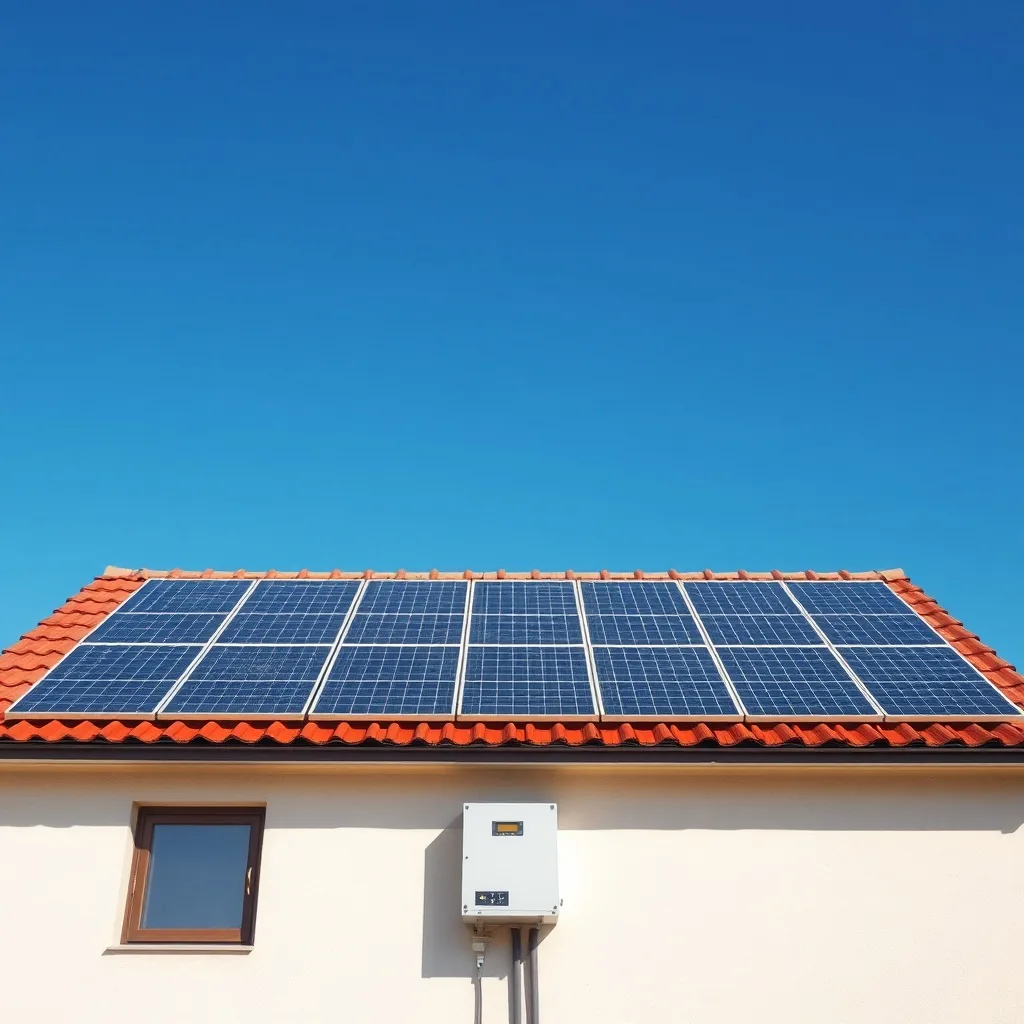
Leasing and buying solar lead to genuinely different financial outcomes — leasing trades ownership and most incentive value for zero-upfront-cost simplicity, a tradeoff worth understanding clearly before choosing. The math also shifted at the end of 2025, when the federal residential tax credit for purchased systems expired while the business credit that leasing companies use stayed in place for a while longer. That change deserves a fresh look at a decision many guides still describe with outdated assumptions.
Table of Contents
- How a Solar Lease Actually Works
- Why Ownership Matters for Incentives
- Leasing vs Buying Compared
- When Leasing Still Makes Sense
- Frequently Asked Questions
How a Solar Lease Actually Works
Under a lease (or similar PPA structure), a third party owns and maintains the system while you pay a fixed monthly fee or per-kWh rate, typically lower than your previous utility bill but not eliminating it. You get the electricity benefit without upfront cost, maintenance responsibility, or equipment ownership.
Lease versus PPA
A lease charges a fixed monthly payment regardless of how much the system produces. A power purchase agreement (PPA) charges you per kilowatt-hour the system generates, at a rate set in the contract. Both usually run 20 to 25 years. Both usually include an annual escalator, often 1 to 3 percent, that raises your payment each year. Read that escalator clause carefully. A payment that looks cheap in year one can pass your utility rate before the contract ends if utility prices grow more slowly than expected.
What the leasing company keeps
The owner of the equipment keeps any tax credits, depreciation, and renewable energy certificates the system earns. In exchange, the company handles monitoring, repairs, and inverter replacement. The homeowner’s obligation is to make the payments and to keep the roof accessible.
What happens at the end
Most contracts offer three exits: renew, buy the system at its then-current value, or have it removed. Removal terms and buyout formulas vary widely. Ask for the exact language before signing rather than after year twenty.
Why Ownership Matters for Incentives
The federal tax credit and most other incentives go to whoever owns the system — under a lease, that’s the leasing company, not you. This is the single biggest financial difference between leasing and buying: buyers capture significant incentive value directly; lessees generally don’t, though the leasing company may factor some of that value into your lower monthly rate.
The 2025 change that flipped part of this logic
Until the end of 2025, a homeowner who bought a system could claim the 30 percent Residential Clean Energy Credit (Section 25D). The IRS now states in its FAQ on the One Big Beautiful Bill energy provisions that the credit will not be allowed for any expenditures made after December 31, 2025. A purchased system installed in 2026 no longer earns that federal credit.
The business-side credit works differently. Third-party-owned systems can still qualify for the Clean Electricity Investment Credit (Section 48E) if construction begins by July 4, 2026 or the system is placed in service by the end of 2027, according to the IRS page on the Clean Electricity Investment Credit. In practice that means a leasing company may still receive a federal credit on a system installed on your roof in 2026, while you would not receive one if you bought it. Whether the company passes that saving through to your monthly rate is a matter of negotiation.
Incentives that still favor owners
State rebates, property-tax exemptions, and sales-tax exemptions generally still go to the system owner. Net metering credits go to whoever holds the utility account, which is you in either case. Our guide to solar incentive expiration dates tracks which programs are still open, and the DSIRE database lists them by state.
Ownership and home value
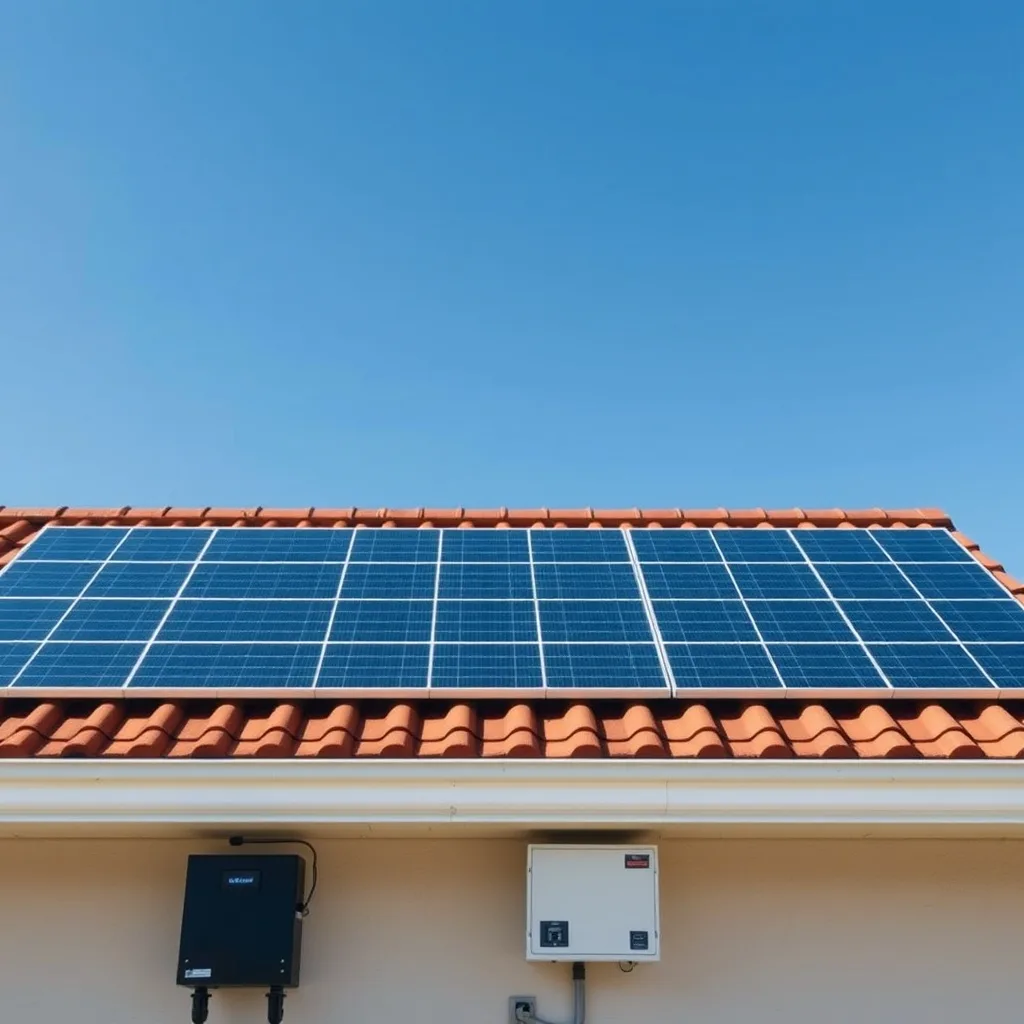
An owned system is part of the house and can add to its sale price. A leased system is a contract the buyer must accept or you must pay off. Real estate agents report that lease transfers slow closings, and some lenders ask for the lease to be paid off before approving a mortgage. That friction is a real cost, even if it does not appear on a monthly statement.
Leasing vs Buying Compared
| Factor | Leasing / PPA | Buying (cash or loan) |
|---|---|---|
| Upfront cost | None to minimal | Full system cost (or loan) |
| Federal tax credit (systems installed in 2026) | Owner may claim 48E through the 2027 deadline | 25D not allowed for expenditures after Dec 31, 2025 |
| State rebates and tax exemptions | Captured by leasing company | Captured by you |
| Net metering credits | Yours (utility account holder) | Yours |
| Monthly payment | Fixed or per-kWh, with annual escalator | Loan payment, or none with cash |
| Maintenance and inverter replacement | Leasing company | You (warranties still apply) |
| Total long-term savings | Lower | Significantly higher |
| Home sale complexity | Lease must transfer or be bought out | Adds to home value directly |
| End of term | Renew, buy out, or removal | System is yours; panels often keep producing |
The federal credit rows reflect IRS guidance as of 2026 and can change with future legislation. Everything else in the table is structural and has not changed.
Running your own numbers
Compare three figures over the contract term: total lease payments with the escalator applied, total loan payments, and your expected utility bills without solar. The solar loan vs cash calculator handles the buying side. For the lease side, ask the salesperson for the year-by-year payment schedule and the assumed utility inflation rate. If the assumed utility rate growth is above 4 percent per year, the lease is being shown in its best possible light.
When Leasing Still Makes Sense
Leasing can make sense for homeowners without sufficient tax liability to benefit from the federal credit, those unable to afford upfront cost or qualify for financing, or those specifically wanting zero maintenance responsibility. For most homeowners with reasonable finances and tax liability, buying — cash or financed — delivers substantially more total value over the system’s life.
The 2026 wrinkle
With the residential credit gone, tax liability no longer decides the question for buyers. What matters more now is whether the leasing company shares its 48E benefit through a lower rate. Get two or three lease quotes and at least one purchase quote, then compare the 20-year totals. If the lease rate is not clearly lower than your current utility rate after the escalator, the lease is not doing much for you.
Situations where a lease is a reasonable choice
You plan to stay in the house for the full term and want a predictable bill. You have no savings for a purchase and loan rates offered to you are high. You cannot handle repairs or do not want to manage warranty claims. Your roof is in good shape, so removal for re-roofing will not be needed mid-contract.

Situations where buying is clearly better
You expect to sell within ten years. You have access to a low-rate loan or cash. Your state offers rebates or tax exemptions that go to the owner. You want the system to add value to the house rather than a contract to the closing paperwork. Electricity prices in your area are rising; the U.S. Energy Information Administration reports the average residential price reached 18.34 cents per kWh in June 2026, up from 17.47 a year earlier, in its Electric Power Monthly. Owners capture the full value of every kilowatt-hour they avoid buying; lessees capture only the difference between their contract rate and the utility rate.
Frequently Asked Questions
Is leasing or buying better financially?
Buying almost always delivers more total value, since you capture incentives and full long-term savings that a lease doesn’t provide. The gap is smaller for systems installed after 2025 because the residential federal credit has expired, but it usually remains.
Who gets the tax credit if I lease my system?
The leasing company, as the equipment owner — not you as the homeowner. For 2026 installations that company may still qualify for the 48E business credit under IRS deadlines.
Does leasing complicate selling my home?
Yes, the lease typically needs to transfer to the buyer or be bought out, adding a step buyers of owned systems don’t face.
Is a solar loan the same as leasing?
No — with a loan, you own the system and capture all incentives; you’re just financing the purchase rather than paying cash upfront.
When does leasing make more sense than buying?
Mainly when you can’t access financing for a purchase, want zero maintenance responsibility, or the lease rate is clearly below your utility rate for the full term.
Can I still get the federal solar tax credit if I buy in 2026?
No. The IRS states the Residential Clean Energy Credit is not allowed for expenditures made after December 31, 2025. State and local incentives may still apply.
For financing options if buying, see our low-interest solar loans guide. For the incentive value you’d capture as an owner, see our clean energy incentives and financing guide.
Financing structures are where most complaints start, so also read solar sales scams and red flags.
Sellers face the mirror image of this decision in selling a house with solar panels.
Related Posts

Leave a Comment
Your comment will be published after it has been approved. Please send comments that do not contain slang words.