
Solar Panel Warranty Claims
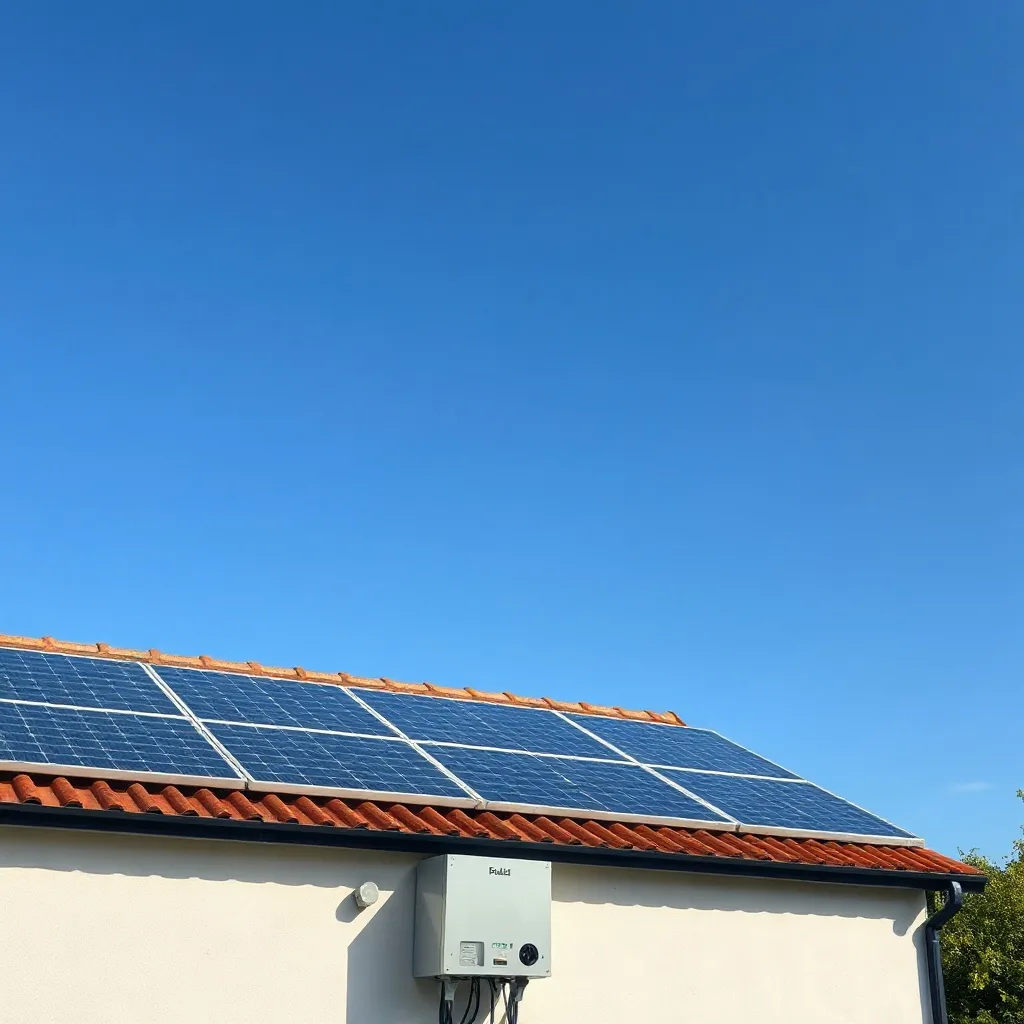
Filing a solar panel warranty claim goes smoothly when you understand the process before you need it — which warranty applies, what documentation matters, and realistic timelines. Most homeowners only read their warranty paperwork on the day something breaks. A little preparation turns a frustrating month of emails into a short, predictable process.
Table of Contents
- The Three Warranty Types
- How to File a Claim
- Warranty Types Compared
- Common Claim Complications
- Frequently Asked Questions
The Three Warranty Types
Solar panels carry three separate warranties that homeowners often confuse: a product warranty (10-12 years, covers manufacturing defects), a performance warranty (25 years, guarantees a minimum output percentage), and a separate installer workmanship warranty (varies, typically 5-10 years, covers installation quality specifically, not the panels themselves).
Product warranty
The product warranty covers physical defects in the panel itself. Examples include delamination, cracked backsheets, failed junction boxes, and corroded connectors. Some premium manufacturers now extend product coverage to 25 years, so check the exact term on your datasheet rather than assuming 10 or 12.
Performance warranty
The performance warranty promises that output will stay above a stated percentage of the nameplate rating. A typical schedule allows a small drop in the first year, then a fixed annual decline. If a panel falls below that curve, the manufacturer owes a remedy. Proving it requires measured output data, not just a higher electricity bill.
Workmanship warranty
The workmanship warranty belongs to the installer. It covers roof penetrations, wiring, racking, and labor. A leak around a mounting foot or a loose connector in the combiner box falls here, not with the panel maker. This is also the warranty that disappears if the installer goes out of business, which is why the company’s track record matters.
Don’t forget the inverter
Inverters carry their own warranty, usually 10 to 12 years for string inverters and up to 25 for microinverters. The U.S. Department of Energy notes in its solar system design basics that inverters will need to be replaced at least once in the 25-year lifetime of a PV array. Our solar inverter warranty guide covers that separate process.
How to File a Claim
Start with your installer if they’re still in business — they typically handle manufacturer communication directly. If the installer is unavailable, contact the manufacturer directly with your purchase documentation, serial numbers, and evidence of the issue (photos, monitoring data showing underperformance).
Step by step
1. Confirm the symptom. Check your monitoring app for a panel or string that produces clearly less than its neighbors under the same sun. Compare a clear day now with a clear day from the same month last year. Our guide to solar panel monitoring apps shows what to look for.
2. Rule out the simple causes. New shading from a grown tree, heavy soiling, or a tripped breaker can mimic a failed panel. A quick visual check and a rinse can save you a claim that gets denied.
3. Gather documents. You will need the purchase contract, the panel datasheet, serial numbers from the panel labels, the commissioning report, and your monitoring export. Photos of any visible damage should include a wide shot and a close-up.
4. Open the claim in writing. Email creates a timestamped record. State the panel model, serial numbers, the date you noticed the issue, and what you are asking for. Keep the tone factual.
5. Allow for inspection. Manufacturers often ask an authorized installer to test the panel with an IV-curve tracer or thermal camera. You may be asked to pay for this visit if the panel turns out to be fine.
6. Track the remedy. Remedies range from repair to replacement to a pro-rated cash payment. Read the warranty to learn who pays for shipping and labor. Some product warranties include labor; most performance warranties do not.
Realistic timelines
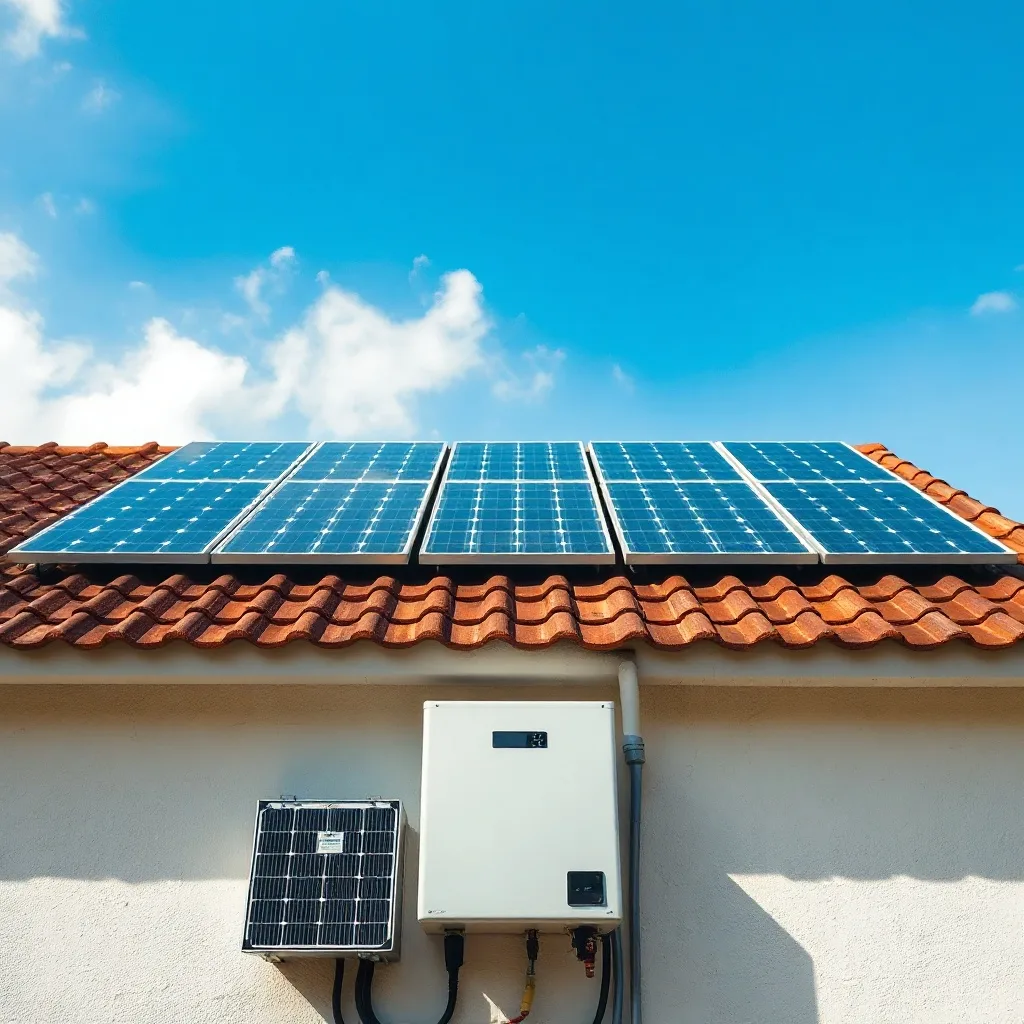
A clear product defect with good photos can be approved in two to four weeks. Performance claims take longer because the manufacturer wants months of data and may schedule a field test. Replacement panels can be delayed if your model is discontinued, in which case an equivalent current model is usually offered.
Warranty Types Compared
| Warranty Type | Typical Length | Covers | Who Honors It | Evidence Needed |
|---|---|---|---|---|
| Product warranty | 10-12 years (up to 25 on premium panels) | Manufacturing defects | Panel manufacturer | Photos, serial numbers, proof of purchase |
| Performance warranty | 25 years (some 30) | Minimum guaranteed output | Panel manufacturer | Monitoring data, field test results |
| Workmanship warranty | 5-10 years (some 25) | Installation quality, roof penetrations, wiring | Installer | Photos of the defect, original inspection report |
| Inverter warranty | 10-12 years string; up to 25 micro | Inverter hardware failure | Inverter manufacturer | Error codes, monitoring history |
| Homeowner’s insurance | Policy term | Storm, hail, fire, theft (not defects) | Insurer | Photos, weather record, repair estimate |
Insurance is not a warranty, but it is the right channel for weather damage. Our solar panel insurance guide explains how the two interact.
Common Claim Complications
The most common complication is an installer that’s gone out of business — manufacturer warranties remain valid regardless, but you’ll need to work directly with the manufacturer without your original point of contact. Missing documentation (proof of purchase, original inspection reports) is the second most common issue, which is why keeping organized records from day one matters.
Other issues that slow claims down
Normal degradation mistaken for a defect. Every panel loses a little output each year. A performance claim only succeeds when output falls below the warranted curve, not merely below year-one levels. Our solar panel degradation rate guide explains what is normal.
Unauthorized modifications. Moving panels, swapping connectors with a different brand, or DIY repairs on the panel itself can void coverage. Cleaning and visual inspection do not.
Transfer of ownership. Many warranties transfer to a new homeowner, but some require a transfer form within a set period after sale. Ask for the form during the home purchase.
Discontinued models. Manufacturers replace discontinued panels with a current equivalent. Mixing a different wattage into a string can affect performance, so ask the installer how the replacement will be wired.
What happens to failed panels
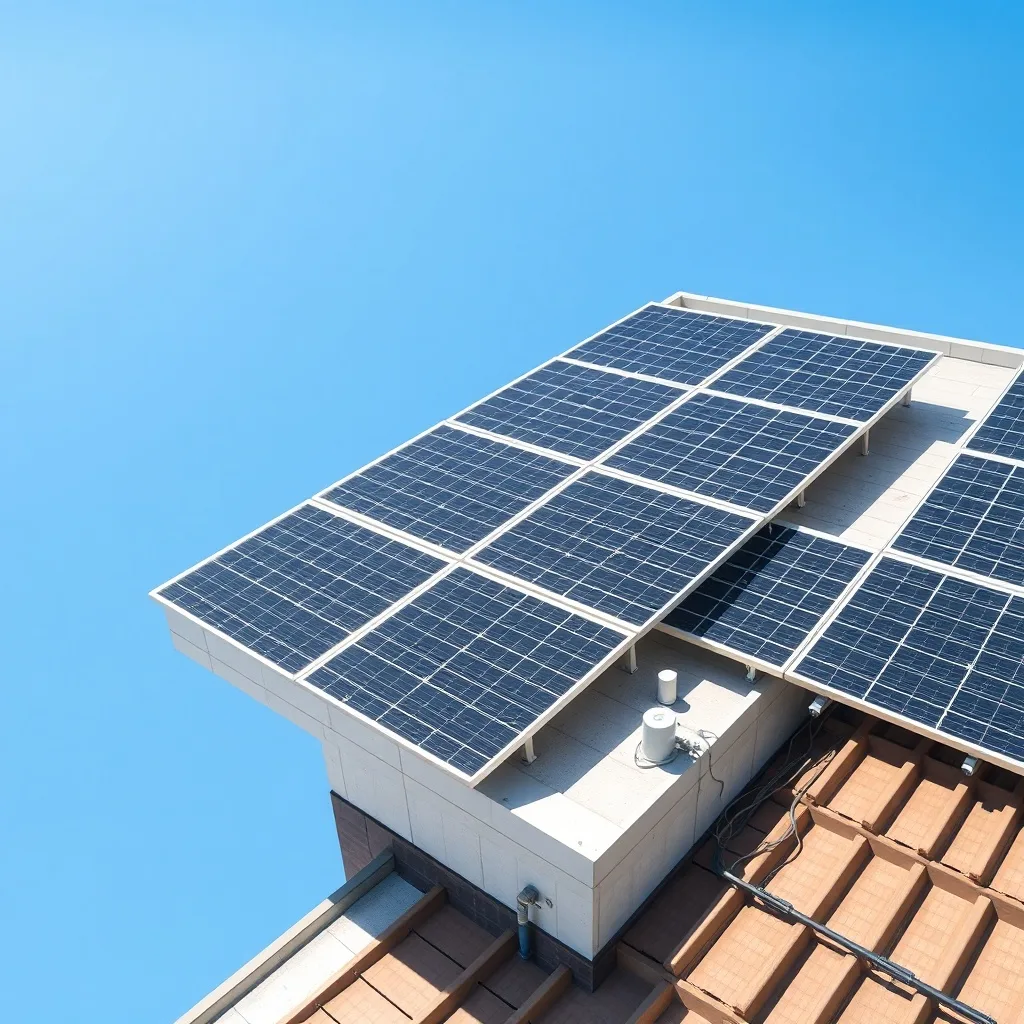
Replaced panels do not always go to landfill. The Department of Energy’s page on end-of-life management for solar photovoltaics describes recycling and reuse pathways. Ask the installer or manufacturer what they do with returned units.
Keeping records from day one
Create a folder, digital or paper, on installation day. Put in the contract, datasheets, serial-number list, permit sign-off, commissioning report, and a screenshot of first-month production. Add monitoring exports once a year. That folder is the difference between a two-week claim and a two-month one.
Frequently Asked Questions
What if my installer is out of business?
Contact the manufacturer directly — product and performance warranties remain valid independent of installer status. Only the workmanship warranty is lost.
How long do I have to file a warranty claim?
As long as you’re within the warranty period and can document the issue — there’s typically no separate filing deadline within that window.
Does a warranty claim cost anything?
Valid claims are typically covered at no cost, though shipping or labor for replacement may vary by manufacturer. Some ask you to cover a field test if no defect is found.
What documentation do I need?
Proof of purchase, panel serial numbers, and evidence of the issue like photos or monitoring data.
Does cleaning or minor DIY maintenance void my warranty?
No, gentle water-based cleaning and basic visual inspection don’t affect warranty coverage.
Does the warranty transfer if I sell my house?
Usually yes, but some manufacturers require a transfer form within a set period after closing. Check the terms before the sale.
For understanding your coverage before you need it, see our solar panel inspection checklist. For hail-specific claims, see our solar panel hail damage guide.
This is covered separately in our DIY solar panel repair guide. There is more detail on this in our residential solar panel efficiency guide.
Knowing which of the three warranties applies is explained in how to vet a solar company.
If you are taking over a system with a house purchase, start with buying a house with solar panels.
Related Posts

Leave a Comment
Your comment will be published after it has been approved. Please send comments that do not contain slang words.