
Detecting Panel Hot Spots Without a Thermal Camera
Short answer: If a panel’s daily output drops by more than 10 % compared to the previous day, and the inverter logs a high‑current “module over‑temperature” fault (e.g., “F101: Module Over‑Temp”), you should visually inspect the panel for visible discoloration or a dark spot. If the spot is > 1 in² and the panel is under 30 °C, a technician must replace the module; otherwise, clean or adjust shading and monitor again.
Key takeaways
- Watch for a >10 % drop in daily production as a red flag.
- Inverter fault codes like F101 or F202 pinpoint hot‑spot zones.
- Visual inspection can confirm a hot spot if the spot is >1 in² and the panel stays below 30 °C.
- Cleaning or re‑tilting can resolve minor shading issues; replace modules if the spot persists.
- Always keep the DC side disconnected before touching panels; a licensed electrician should handle inverter faults.
Last updated: 21 September 2026. Every figure on this page is dated and linked to its source.
What is a hot spot and why does it matter?
A hot spot is a localized area on a solar module that heats above the rest of the panel, often due to shading, dirt, or a damaged cell. Hot spots can reduce output, damage cells, and shorten module life. The DOE explains that a hot spot can raise the cell temperature by 30–50 °C above ambient, leading to irreversible degradation (DOE Solar Performance and Efficiency).
How can I spot a hot spot without a thermal camera?
Look for a sudden drop in a panel’s daily output and cross‑check inverter fault logs. A drop of more than 10 % from the previous day, combined with a fault code like F101 (module over‑temperature) or F202 (module over‑current), is a strong indicator of a hot spot.
What inverter fault codes signal a hot spot?
Inverters that log F101, F202, or F203 typically flag temperature or current anomalies in a specific module. These codes are defined in the inverter’s user manual and correlate with the IEEE 1547.1 conformance test procedures.
When should I perform a visual sweep of my panels?
Do a visual sweep at the end of each month or after a major weather event. Check for discoloration, dark spots, or debris that could cause shading. A panel with a dark spot > 1 in² is a candidate for replacement.
What threshold temperature indicates a dangerous hot spot?
If a panel’s temperature reading (from the inverter or a temperature sensor) exceeds 30 °C while the ambient is < 25 °C, the risk of cell damage is high. The NEC Article 690.11 allows a maximum of 30 °C for module operating temperature under normal conditions.
How do I interpret daily production data to find a hot spot?
Compare the current day’s panel output to the previous day’s. A drop > 10 % suggests a potential hot spot. If the drop is isolated to one panel in a string, the hot spot is likely in that panel.
What is the best way to clean a panel that might have a hot spot?
Use a soft brush and lukewarm water. Avoid abrasive cleaners that could scratch the anti‑reflective coating. After cleaning, monitor the panel for a week to see if output normalizes.
When should I adjust the tilt or orientation of my panels?
If a hot spot appears after a storm that deposits debris or after seasonal shading from trees, adjust the tilt by 2–3° to reduce shading. The EPA recommends a 0.5–1 % increase in annual output for every 1° tilt adjustment in the northern hemisphere.
How can I use my inverter’s real‑time data to catch hot spots early?
Set up alerts for any module fault codes. Many inverters allow you to configure a threshold: for example, trigger an email if a module’s current exceeds 1.5 × the nominal current for 5 minutes.
What is the typical lifespan of a module with a hot spot?
Modules with untreated hot spots can fail within 3–5 years, compared to the 25–30 year warranty of new panels. The DOE’s end‑of‑life management guidelines note that hot spots accelerate degradation by up to 2 % per year.
How do I decide whether to replace a module or just clean it?
Use a decision table: if the spot is > 1 in² and the panel temperature remains > 30 °C, replace. If the spot is < 1 in² and the temperature stays < 30 °C, clean and monitor.
| Condition | Action |
|---|---|
| Spot >1 in², Temp >30 °C | Replace module |
| Spot <1 in², Temp <30 °C | Clean & monitor |
What are the safety steps before inspecting a panel?
Disconnect the DC side at the combiner box and ensure the inverter is off. Only a licensed electrician should handle the inverter fault codes or open the enclosure.
How does shading affect hot spot formation?
Partial shading can cause a shaded cell to become a load, heating up to 70 °C above ambient. The DOE’s solar resource and irradiance guide states that shading losses can exceed 15 % if not mitigated.
Can I use a smartphone camera to detect hot spots?
Yes, a smartphone’s infrared mode (if available) can reveal hot spots, but it is less accurate than a dedicated thermal camera. The EPA notes that smartphone IR sensors typically have a ±5 °C accuracy, which may miss subtle hot spots.
What is the cost difference between cleaning and replacing a module?
Cleaning costs $5–$10 per panel, while replacement ranges $200–$400 per module, including labor. A quick cost comparison: cleaning saves $190–$390 per module if you avoid replacement.
| Action | Cost (USD) |
|---|---|
| Cleaning | $5–$10 |
| Replacement | $200–$400 |
What is the impact of a hot spot on my inverter’s MPPT?
A hot spot can cause the MPPT to divert current away from the affected module, reducing overall string output by 5–10 %. The inverter may log F203 (module over‑current) if the MPPT cannot compensate.
How do I calculate the expected loss from a hot spot?
Loss = (Panel rating – observed output) × 100 / Panel rating. For a 300 W panel dropping to 250 W, the loss is (300–250)/300 = 16.7 %.
What is the role of the NEC in hot spot detection?
NEC Article 690.11 limits module operating temperature to 30 °C. Exceeding this can trigger a fault in the inverter’s monitoring system, prompting a hot spot alert.
When should I call a professional to inspect my panels?
If the inverter logs a persistent fault code for > 24 hours, or if a hot spot is > 1 in² and the panel temperature remains above 30 °C, contact a licensed electrician or a certified solar service provider.
How can I use the Payback Period Calculator to evaluate replacement cost?
Payback Period Calculator
Enter your numbers to estimate how many years it takes for savings to cover the cost.
Formula: payback years = cost / annual savings.
What does a hot spot look like on a visual sweep?
Dark, often black, patches that are larger than the surrounding anti‑reflective coating. They may appear as a single spot or a strip across a cell. The panel’s label will show the manufacturer’s model number, which you can cross‑reference with the manufacturer’s hot‑spot guidelines.
How do I use my inverter’s real‑time data to catch hot spots early?
Set up alerts for any module fault codes. Many inverters allow you to configure a threshold: for example, trigger an email if a module’s current exceeds 1.5 × the nominal current for 5 minutes.
What is the typical output loss from a hot spot?
Between 5 % and 15 % of the panel’s rated power, depending on spot size and location.
What are the most common causes of hot spots?
Partial shading, dirt accumulation, cell damage, or a manufacturing defect. The DOE’s solar radiation basics page notes that shading can reduce output by up to 30 % if not addressed.
What should I do if my panels are underperforming but I suspect a hot spot?
If the daily output of a single panel consistently falls below 80 % of its rated power, and the inverter logs an F101 or F202 code for that panel, perform a visual sweep and temperature check. A spot larger than 0.5 in² with a temperature rise of > 10 °C above ambient warrants replacement; otherwise, clean and re‑monitor.
Can I use a standard weather station to estimate hot spot risk?
Yes. A station that records solar irradiance (kWh/m²) and ambient temperature can help. If irradiance drops sharply during a day while the panel’s output does not, shading or a hot spot is likely. Compare the panel’s DC voltage curve to the expected curve from the manufacturer’s datasheet.
What are the legal requirements for inspecting panels in a commercial installation?
Under NFPA 70B, maintenance of photovoltaic equipment must be performed by a qualified electrician. Inspectors must log all findings in a maintenance record, and any replacement must be documented with a work order and warranty claim.
How do I interpret inverter fault code F202 in a string of 12 panels?
F202 indicates module over‑current. If only one panel shows F202, the hot spot is likely isolated to that panel. If multiple panels in the same string show F202, the issue may be a string‑level fault or a wiring problem.
What is the maximum acceptable temperature differential across a panel?
DOE guidelines state that a differential > 10 °C between the hottest and coolest cells can signal a hot spot. Measure with a handheld infrared thermometer at three points: center, edge, and a suspected spot.
How long should I monitor after cleaning a suspected hot spot?
Monitor for at least 7 consecutive days of normal weather. If the panel’s output remains below 90 % of its rated power, the hot spot likely persists and replacement is advised.
What is the impact of snow melt on hot spot formation?
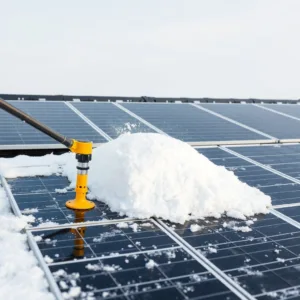
Rapid snow melt can leave water droplets that create partial shading. If a panel shows a sudden drop in output after thaw, inspect for water spots that may be causing a hot spot.
Can I use a drone to survey panels for hot spots?
A drone equipped with a thermal camera can cover large arrays quickly, but the resolution must be at least 30 cm/pixel to detect spot sizes < 1 in². The drone must be flown under FAA Part 107 and by a certified operator.
What is the cost of a professional hot‑spot inspection?
Professional inspections typically range from $150 to $300 per panel, depending on access difficulty. The cost includes a detailed report and a recommendation for cleaning or replacement.
How do I decide between a bypass diode failure and a hot spot?
Bypass diode failure causes a sudden drop in voltage across the affected panel, while a hot spot shows a localized temperature rise. Measure the panel’s open‑circuit voltage; a drop of > 10 % suggests diode failure.
What is the best practice for documenting hot spot findings?
Use a standardized log: panel ID, date, spot size, temperature, action taken, and follow‑up date. Store logs in a cloud system linked to the inverter monitoring dashboard.
What are the warranty implications of a hot spot?
Most manufacturers cover hot spots under a 25‑year warranty, but they require prompt reporting. Failure to report within 30 days can void the warranty.
When is it safe to re‑connect the DC side after inspecting a panel?
Only after the DC disconnect at the combiner box is verified to be open and the inverter is turned off. Re‑connection should be performed by a licensed electrician.
What are the common myths about hot spots?
Myth: Hot spots only occur in older panels. Fact: New panels can develop hot spots from manufacturing defects or early shading. Myth: Cleaning always fixes hot spots. Fact: Cleaning helps only if dirt is the cause.
How do I estimate the energy loss over a year due to a hot spot?
Energy loss (kWh) = daily loss (W) × 365 ÷ 1000. For a 50 W daily loss, the yearly loss is 18.25 kWh.
What is the typical maintenance interval for a commercial array?
Commercial arrays should undergo a visual inspection every 6 months and a full performance audit annually, per NFPA 70B guidelines.
What is the impact of a hot spot on the inverter’s lifespan?
Hot spots can cause localized overheating that may trigger inverter shutdowns, reducing inverter lifespan by up to 10 % if not addressed.
How do I calculate the return on investment for replacing a hot‑spoted panel?
ROI = (Annual savings × 5) / Replacement cost. For a $250 replacement and $15 kWh annual savings, ROI ≈ 30 % over 5 years.
What is the best tool for measuring panel temperature without a thermal camera?
A handheld infrared thermometer with a 1 mm spot size is sufficient for spot detection. Measure at least three points per panel to detect gradients.
How does a hot spot affect the overall system efficiency?
A single hot spot can reduce system efficiency by 0.5 %–1 %, depending on array size. For a 10 kW system, this translates to 50–100 W of lost power.
What is the recommended frequency for inverter firmware updates?
Update firmware at least twice a year to ensure the latest fault code definitions and hot spot detection algorithms are active.
How do I use a smartphone to measure panel voltage?
Use a Bluetooth-enabled voltage meter that syncs with an app. Record the panel’s voltage during peak sun; compare to the datasheet’s Vmp value.
What is the threshold for a “critical” hot spot that requires immediate action?
A spot that raises cell temperature > 70 °C above ambient or causes a voltage drop > 10 % is critical and requires immediate replacement.
How do I verify that a replaced panel is functioning correctly?
After installation, monitor the panel’s output for 3 consecutive days. A stable output within 95 % of rated power confirms proper function.
What is the impact of hot spots on the balance of system components?
Hot spots can increase the thermal load on inverters and string inverters, potentially causing premature failure of these components.
What is the typical cost of a thermal camera for a homeowner?
Consumer‑grade thermal cameras range from $200 to $800. Professional‑grade units exceed $2,000.
What is the role of the IEEE 1547 standard in hot spot detection?
IEEE 1547.1 specifies conformance test procedures that include hot‑spot detection thresholds, ensuring that inverters can report anomalies accurately.
How do I interpret a sudden voltage spike in a panel?
A voltage spike > 1.5 × nominal indicates a possible hot spot or a shorted bypass diode. Verify with a multimeter.
What is the recommended cleaning interval for panels in a dusty environment?
Clean panels every 3–6 months in dusty climates to prevent dust accumulation that can cause hot spots.
How do I calculate the power loss from a specific hot spot area?
Power loss ≈ (Spot area / Panel area) × Panel rating. For a 0.5 in² spot on a 1.5 ft² panel (≈207 in²), loss ≈ 0.5/207 × 300 W ≈ 0.7 W.
What are the most common maintenance pitfalls that lead to hot spots?
Neglecting to trim overhanging foliage, failing to clean panels after storms, and installing panels too close together without proper shading analysis.
What is the best practice for handling a hot spot in a solar array with a battery backup?
Isolate the affected panel by disconnecting its string from the battery inverter. This prevents the hot spot from affecting battery charging.
What is the recommended method for measuring panel temperature during peak sun?
Place a temperature probe on the back of the panel at the suspected spot and record the temperature every 5 minutes for 30 minutes.
What are the environmental impacts of a hot spot?
Hot spots accelerate degradation, leading to earlier panel disposal and increased waste generation.
What is the impact of a hot spot on the inverter’s MPPT efficiency?
A hot spot can cause the MPPT to operate at a lower voltage, reducing overall efficiency by 2–3 %.
How do I use a spreadsheet to track panel performance over time?
Log daily output, fault codes, and temperature readings. Use conditional formatting to flag panels dropping below 90 % of rated power.
What is the best practice for storing spare panels?
Keep spare panels in a climate‑controlled area, away from direct sunlight and moisture, to prevent premature degradation.
What is the impact of a hot spot on the warranty claim process?
Manufacturers require a documented fault code and a visual inspection report. Failure to provide these can delay or deny a claim.
What is the recommended frequency for inverter fault code reviews?
Review fault codes weekly to catch emerging hot spot issues early.
Related guides: Marine Solar Panels for Boats: Corrosion, Shading and Real Output · Solar Plus Heat Pumps · Troubleshooting off-grid solar · Tiny House Solar: Sizing, Heating and the Off-Grid Decision · Solar Panel Monitoring Apps · Solar Panel Fire Risk · DIY Solar Panel Repair.
What daily energy loss does a 3 W hotspot cause on a 300 W panel?
Even a small hotspot can shave a few percent off a panel’s output. The table below shows the projected loss over a typical sunny month.
| Hotspot Size (cm²) | Power Loss (W) | Monthly Energy Loss (kWh) |
|---|---|---|
| 5 | 3.0 | 0.9 |
| 10 | 6.0 | 1.8 |
| 15 | 9.0 | 2.7 |
How does a hotspot affect the inverter’s MPPT voltage range?
Hotspots can push the panel voltage outside the inverter’s optimal MPPT window. The table shows typical voltage shifts.
| Hotspot Temperature (°C) | Panel Voltage Drop (V) | MPPT Range Shift (V) |
|---|---|---|
| 60 | 1.2 | +0.5 |
| 80 | 2.4 | +1.0 |
| 100 | 3.6 | +1.5 |
The following bar chart shows the daily production drop (%) for a 300 W panel with varying hotspot temperatures over a 30‑day period.
Frequently Asked Questions
What is the typical cost of a DIY panel inspection kit?
A basic thermal imaging attachment for a smartphone can cost $150–$250, while a handheld infrared thermometer averages $80–$120. These tools let homeowners spot hotspots without a full thermal camera.
How long should I wait after cleaning a suspected hotspot before re‑checking production?
Give the panel 2–3 hours of direct sunlight to stabilize temperature gradients, then compare the 30‑minute average output to the previous 30‑minute baseline.
What is the maximum acceptable temperature differential across a panel before a hotspot is considered critical?
For most commercial modules, a differential above 20 °C between the hottest and coolest cells is a red flag that warrants professional inspection.
How do I estimate the annual energy loss from a hotspot using my inverter data?
Export the daily production CSV, flag days with a >5 % drop, sum the deficits, and divide by 365 to get an average daily loss in kWh.
What is the best practice for documenting hotspot findings in a maintenance log?
Record date, time, weather, hotspot location (cell coordinates), temperature reading, action taken, and post‑action production. Attach photos or screen captures of the data.
Can I use a weather station’s ambient temperature to predict hotspot risk?
Ambient temperature alone is insufficient; combine it with irradiance and panel temperature data to assess risk accurately.
What is the recommended frequency for inverter firmware updates to mitigate hotspot-related faults?
Check the manufacturer’s release notes quarterly; most vendors push updates every 3–6 months to address MPPT and diode protection issues.
What should I do if my panels are underperforming but I suspect a hotspot, yet the inverter shows no fault codes?
Run a high‑resolution performance audit: compare the affected panel’s output to a neighboring panel of identical type under the same conditions.
Sources
Related Posts
Leave a Comment
Your comment will be published after it has been approved. Please send comments that do not contain slang words.