
Battery Degradation Over Time
# Battery Degradation Over Time
Battery degradation is the gradual loss of a battery’s ability to store energy and deliver power. It affects phones, laptops, electric vehicles, and home storage systems, although the pace differs considerably between devices.
The process cannot be stopped completely. However, temperature, charging habits, chemistry, and software controls determine whether capacity declines slowly or surprisingly quickly.
For consumers and businesses, degradation influences performance, operating costs, resale value, and environmental impact. Understanding how it develops makes battery life easier to manage.
Fundamental Concepts and Definitions
Battery capacity describes how much energy a cell can store, usually measured in ampere-hours or kilowatt-hours. As a battery ages, its usable capacity falls. A vehicle that originally delivered 300 miles of range might eventually provide 250 miles under similar conditions.
State of health, commonly shortened to SOH, compares current performance with the battery’s original condition. A battery with 80 percent SOH can generally hold around 80 percent of its initial energy. This measurement is useful, but calculation methods vary among manufacturers and devices.
Degradation has two main forms. Calendar aging occurs while the battery is simply sitting, even when it is rarely used. Cycle aging develops through charging and discharging. One cycle represents the use of energy equal to 100 percent of capacity, though it may be spread across several partial charges.
battery degradation is not the only concern. Internal resistance can rise with age, reducing power output and creating more heat under heavy demand. Readers unfamiliar with cell construction may first explore [lithium-ion battery basics] to understand how electrodes, electrolytes, and separators work together.
How Battery Degradation Develops in Real Use
Early rechargeable batteries had their own aging problems. Lead-acid batteries suffered from corrosion and sulfation, while nickel-cadmium technology became associated with the so-called memory effect. Commercial lithium-ion batteries arrived in 1991 and offered higher energy density, lower weight, and better everyday usability. They now dominate portable electronics and electric vehicles.
Lithium-ion aging involves several chemical changes. A protective layer called the solid electrolyte interphase forms on the anode and continues growing over time. This process consumes active lithium. High voltage can accelerate electrolyte oxidation, while intense charging in cold conditions may cause lithium plating. Repeated expansion can also crack electrode materials and expose fresh surfaces to unwanted reactions.
Heat is one of the strongest degradation drivers. A battery stored near full charge in a hot environment usually ages faster than one kept cool at a moderate state of charge. Cold weather temporarily reduces range and charging speed, but charging a very cold battery at high power may create permanent damage. Modern [battery management systems] reduce these risks by controlling current, temperature, and usable capacity.
Charging behavior matters, although occasional fast charging is not automatically harmful. The greatest stress often appears when high charging power, low battery temperature, and a high state of charge occur together. Preconditioning helps electric vehicles warm their packs before rapid charging. A practical [EV charging guide] can help drivers distinguish routine charging from occasional travel needs.
Depth of discharge also affects cycle life. Frequent operation between approximately 20 and 80 percent is generally gentler than repeatedly moving from nearly empty to completely full. Still, precise limits depend on chemistry and design. Manufacturers hide small capacity buffers, so a displayed zero or 100 percent may not represent the cell’s true physical limit.
Chemistry creates important differences. Nickel manganese cobalt cells offer strong energy density but can be sensitive to prolonged high voltage. Lithium iron phosphate cells generally tolerate more cycles and regular full charging, although they have lower energy density and weaker cold-weather performance. No chemistry is immune to calendar aging.
Real-world data show that electric vehicle batteries commonly decline gradually rather than failing suddenly. Fleet studies have reported average annual capacity loss around 2 percent or less across many modern vehicles, though climate, model, charging pattern, and mileage produce wide variation. Some vehicles therefore retain more than 85 percent after several years, while heavily stressed packs may lose capacity faster.
Manufacturers often support electric vehicle batteries with warranties lasting eight years or about 100,000 miles in certain markets. A capacity threshold near 70 percent is common, but warranty language differs. Phone and laptop batteries face smaller thermal systems and frequent full cycles, so noticeable decline may appear after two or three years of intensive use.
Stationary systems experience different conditions. A properly installed [home energy storage] battery may complete daily cycles while software reserves protective capacity. Its lifespan depends on ambient temperature, discharge depth, power demand, and chemistry. Warranty evaluation should consider both years and guaranteed energy throughput rather than focusing on time alone.
Battery health estimates are useful but imperfect. Software may infer capacity from voltage, current, temperature, and charging history. These calculations can drift, especially when a device rarely reaches the reference points needed for calibration. A sudden percentage change may reflect recalculation rather than immediate physical deterioration.
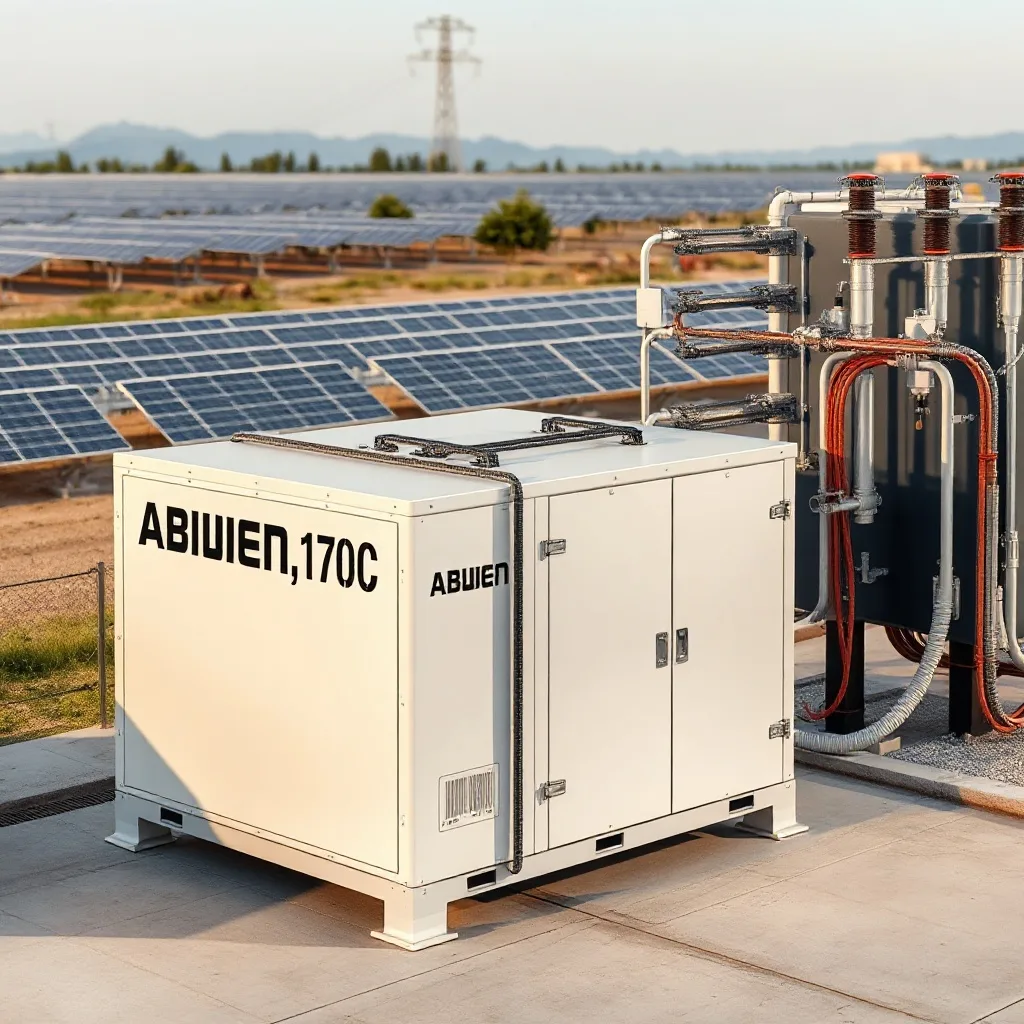
Battery Degradation by Chemistry: 2026 Field Numbers
| Chemistry | Typical fade per year (daily cycling) | Years to 80% capacity |
|---|---|---|
| LFP | 1–2% | 12–16+ |
| NMC | 2–3% | 8–12 |
| Lead-acid | 5–15% | 3–7 |
| Sodium-ion (projected) | <1–1.5% | 15–25 |
Two authoritative sources track the underlying science: NREL’s battery lifespan research models how temperature and depth of discharge drive battery degradation, and the DOE battery program publishes the cycle-testing behind warranty curves. The practical translation: heat and deep daily discharge are the two levers owners actually control — chemistry choice, covered in our solar battery chemistry guide, sets the baseline before either.
Expert Recommendations and Practical Tips
Researchers and manufacturers generally agree that moderate conditions are better than extreme ones. Owners do not need to monitor every charging minute, but a few consistent habits can reduce avoidable battery degradation.
– Avoid prolonged heat exposure: devices and vehicles should not remain in direct summer sunlight when cooler parking or storage is available.
– Use moderate charge limits: an 80 or 90 percent daily limit can reduce high-voltage stress when maximum range is unnecessary.
– Reserve full charging for real needs: reaching 100 percent shortly before a long trip is less stressful than leaving the battery full for several days.
– Prevent deep discharge: regularly storing a battery near zero can increase stress and may trigger damaging over-discharge in poorly protected cells.
– Warm the battery before rapid charging: electric vehicles should use built-in preconditioning when traveling to a high-power charging station in cold weather.
– Prefer slower charging when convenient: lower power usually creates less heat, particularly in phones and vehicles without advanced thermal management.
– Follow chemistry-specific guidance: lithium iron phosphate packs may require periodic full charging so the management system can estimate capacity accurately.
– Keep software updated: manufacturers sometimes improve thermal controls, charging curves, and health calculations through firmware updates.
– Check warranty conditions: owners should record service history and confirm which capacity threshold, mileage limit, and diagnostic process apply.
– Store inactive batteries correctly: long-term storage is generally safer at a partial charge in a cool, dry environment rather than at zero or full capacity.
Common mistakes include using an unapproved charger, blocking a laptop’s ventilation, repeatedly fast charging a frozen battery, or trusting a single health reading without context. An unusually rapid range decline deserves professional diagnosis because tire pressure, weather, background applications, or faulty sensors can imitate degradation.
A battery does not become useless when it falls below a particular percentage. Retired vehicle packs may still support less demanding applications before materials enter [battery recycling]. Repair, second-life use, and responsible recycling can reduce waste and recover resources such as lithium, nickel, cobalt, copper, and aluminum.
What owners can actually do about battery degradation
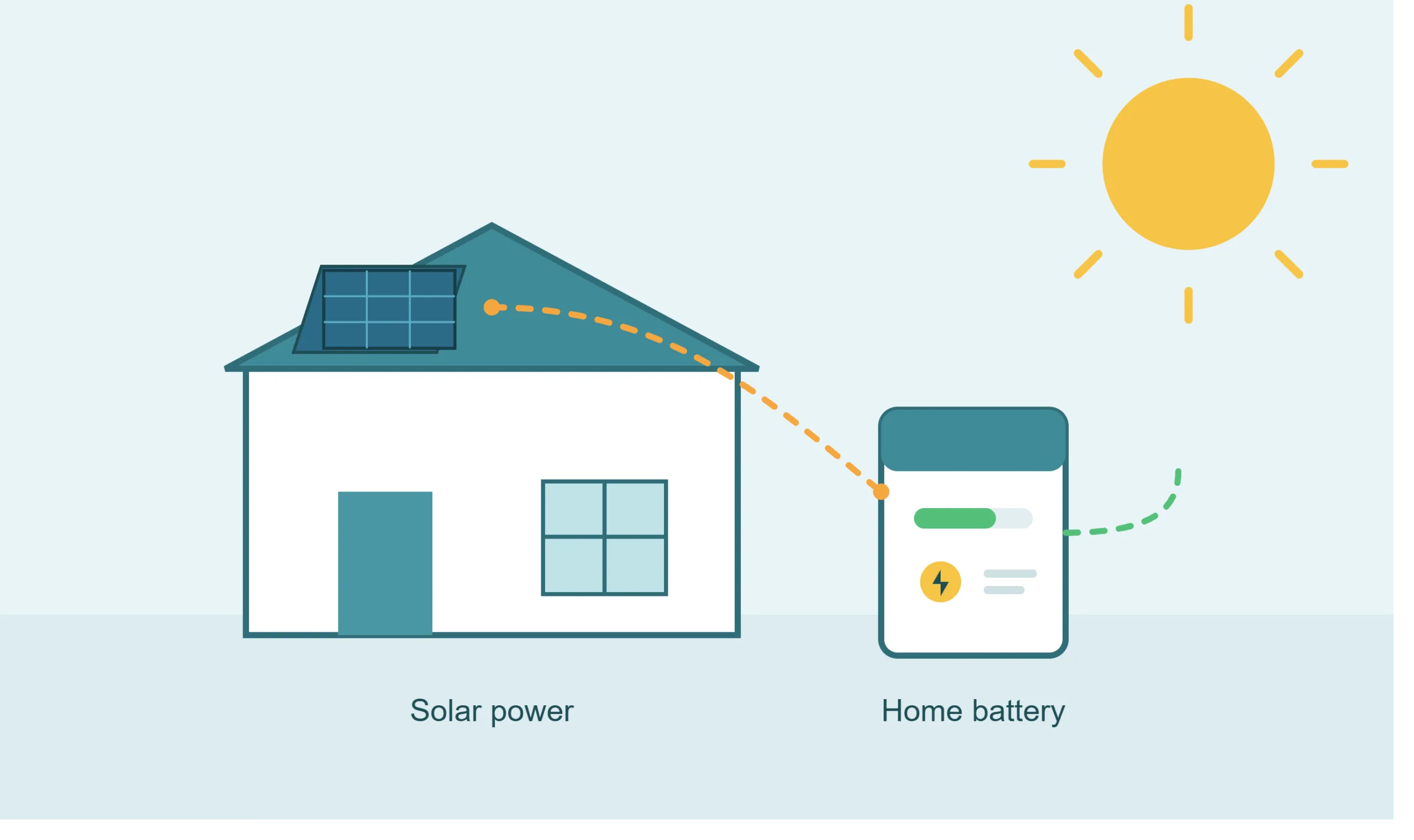
Three habits slow battery degradation more than any product choice, and all three cost nothing but attention. Keep the pack cool: every sustained 10 °C above room temperature roughly doubles the chemical ageing rate. Avoid living at the extremes: parking a battery at 100% or 0% for weeks accelerates battery degradation even without cycling — quality systems manage this automatically, but check the settings.
And use monitoring: a yearly note of usable capacity turns invisible battery degradation into a trend line you can act on while the warranty still applies. None of this requires expertise — it requires the same periodic attention you give any appliance that is expected to work for fifteen years.
Frequently Asked Questions
How quickly does battery capacity decline?
There is no universal rate. Modern electric vehicle packs may lose roughly 1 to 3 percent per year under ordinary conditions, but hot climates, intensive use, chemistry, and charging behavior can change the result. Phone batteries often age faster because they experience frequent cycles, high operating temperatures, and limited cooling.
Degradation is also rarely linear. Some lithium-ion batteries show a small early decline, followed by a long period of slower loss. Aging may accelerate later as resistance rises and internal reactions become more significant.
Does fast charging always damage a battery?
No. A well-designed battery can use fast charging safely because its management system reduces power when temperature or voltage becomes unsuitable. Charging normally slows near the top of the battery to limit stress.
Frequent high-power charging can still increase aging when it creates sustained heat. The risk is greater in very cold weather, particularly if the battery has not been preconditioned. Occasional rapid charging during travel is usually less concerning than daily exposure to unfavorable conditions.
Is charging to 100 percent harmful?
A full charge is not immediately destructive, but remaining at a very high state of charge accelerates some chemical reactions. For nickel-rich lithium-ion chemistries, a lower daily limit can improve longevity when full capacity is unnecessary.
Certain lithium iron phosphate batteries are different. Manufacturers may recommend periodic charging to 100 percent for accurate state-of-charge calibration. The correct practice therefore comes from the manufacturer’s guidance rather than one rule applied to every battery.
Can battery degradation be reversed?
Permanent chemical aging cannot normally be reversed through an application, charger, or calibration routine. Software calibration may correct an inaccurate percentage display, but it does not restore lost active material.
Individual modules or cells can sometimes be repaired or replaced in serviceable battery packs. Whether that option is practical depends on pack design, safety procedures, parts availability, labor cost, and manufacturer support.
How can a buyer assess a used electric vehicle battery?
A buyer should request a battery health report, compare estimated range under suitable weather conditions, and review rapid-charging history where available. Dashboard range alone is unreliable because driving style, temperature, elevation, and climate control influence the estimate.
An independent diagnostic inspection can identify cell imbalance, unusual temperature readings, stored fault codes, and warranty concerns. Remaining warranty coverage is also important because capacity guarantees and transfer conditions vary by market.
Does cold weather permanently reduce battery range?
Most winter range loss is temporary. Cold cells produce energy less efficiently, cabin heating consumes power, and regenerative braking may be restricted until the pack warms.
Permanent damage is more closely associated with charging a cold battery too aggressively. Thermal management and preconditioning lower that risk. Once temperatures rise, much of the temporarily lost performance usually returns.
Conclusion
Battery degradation is a normal result of time, chemical reactions, and energy use. Heat, prolonged high charge, deep discharge, and unsuitable cold-weather charging can accelerate it, while moderate conditions generally protect long-term capacity.
Drivers and device owners do not need perfect charging routines. Practical habits, reliable diagnostics, software updates, and chemistry-specific guidance provide more value than constant concern over small percentage changes.
As battery technology improves, better cooling, smarter controls, and more durable materials are extending useful life. Even so, informed operation remains one of the simplest ways to preserve performance, reduce replacement costs, and limit environmental impact.
Is battery degradation covered by warranty?
Yes — storage warranties guarantee a capacity floor, typically 70–80% at year ten. If measured battery degradation crosses that line early, the manufacturer owes repair, replacement or compensation. This is why logging capacity annually matters: battery degradation claims succeed on documented trends, not on impressions. Read the warranty’s cycling and temperature conditions too — abusive use voids the battery degradation guarantee in most contracts.
Second-life value: battery degradation is not the end
A pack retired at 70–80% capacity still holds years of usefulness in less demanding roles — backup-only duty, off-grid sheds, or commercial second-life aggregation. The growing second-life market means battery degradation increasingly marks a transition rather than a disposal date, and residual value is starting to appear in total-cost calculations. When you model ownership economics, count the pack’s second act: battery degradation ends the first career, not the asset.
Related Posts

Leave a Comment
Your comment will be published after it has been approved. Please send comments that do not contain slang words.