
Floating Solar Panels
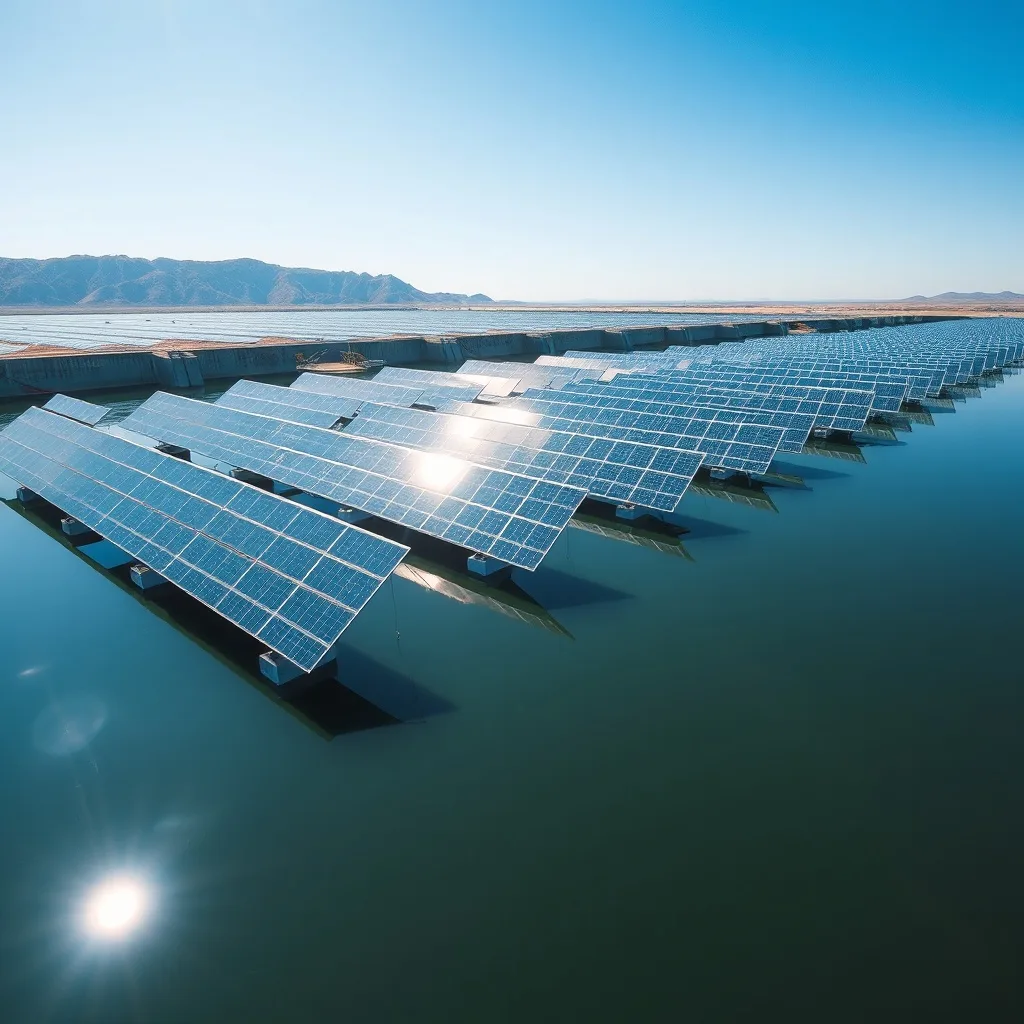
Floating solar panel systems are quietly becoming one of the most important innovations in the renewable energy sector. These systems avoid covering farmland or open desert with photovoltaic arrays. They are installed directly on reservoirs, lakes, and irrigation ponds. That turns unused water surfaces into clean energy assets. Countries are racing to expand renewable capacity without sacrificing scarce land. Floating solar panel systems are moving from a niche experiment to a mainstream part of the global energy mix. This guide breaks down exactly how the technology works, the real benefits and trade-offs, what it costs, and how adoption differs from country to country.
What Are Floating Solar Panel Systems
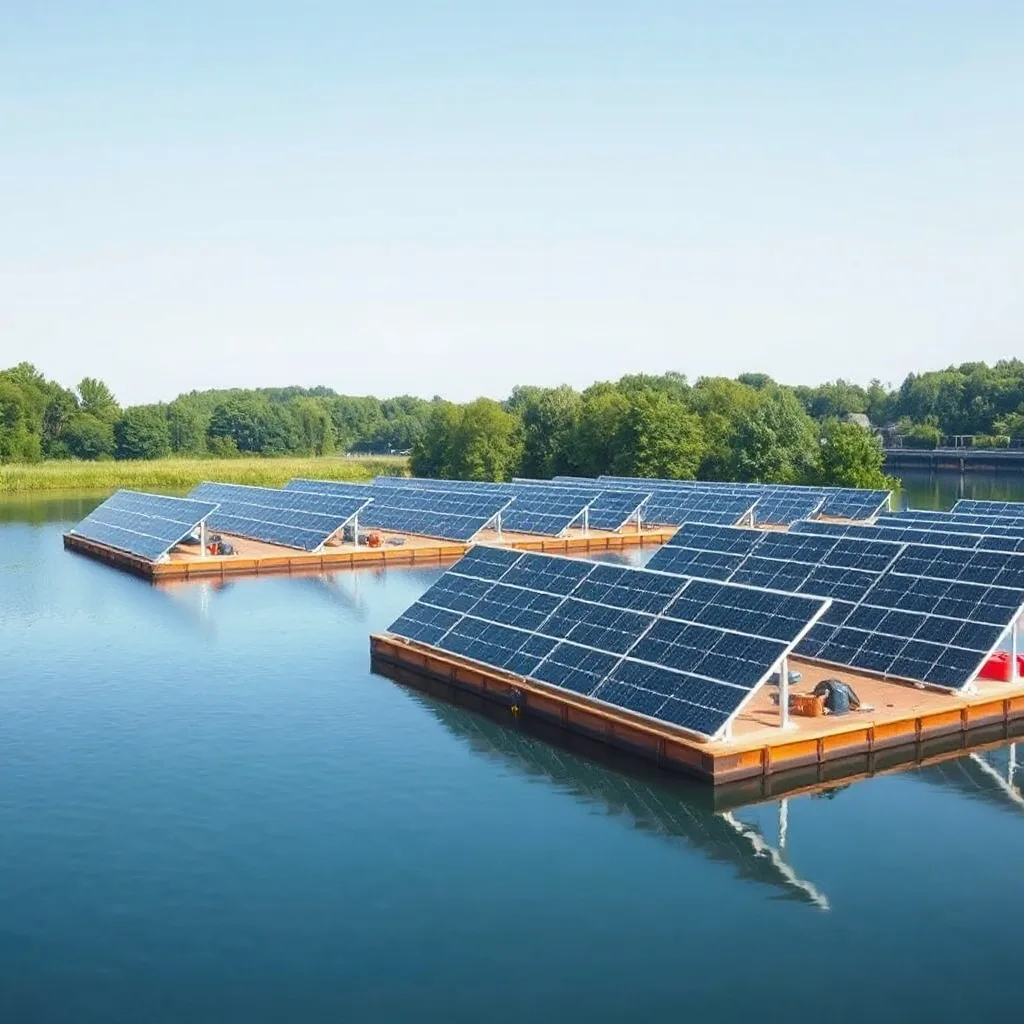
Floating solar panel systems are also known as floating photovoltaics, or floatovoltaics. They are solar arrays mounted on buoyant platforms that sit directly on the surface of a body of water. The panels themselves are the same photovoltaic technology used on rooftops and ground-mounted farms. The mounting structure, anchoring system, and cabling are different. Each is specifically engineered to handle water exposure, wave motion, and changing water levels.
Most floating solar panel systems are installed on artificial water bodies rather than natural lakes or rivers. Reservoirs, irrigation canals, and industrial ponds are already managed spaces. That means fewer ecological complications. Hydropower reservoirs have become an especially popular choice. The site already has grid connection infrastructure in place. That dramatically cuts the cost of tying the new solar capacity into the existing network.
How Floating Solar Panel Systems Work
The core electrical components of a floating solar installation are nearly identical to a land-based system. Each one has to be adapted for a marine-like environment. When it comes to installing floating solar panels, several key components play a crucial role in their efficiency and performance. These include:
- Solar Inverters: These convert the DC power generated by the solar panels into AC power suitable for household or grid use. Floating installations often use specially sealed, corrosion-resistant enclosures.
- Energy Storage Systems: Batteries store excess energy generated during peak sunlight hours. That power is used during low-light periods or at night, smoothing out the intermittency of solar generation.
- Next-Gen Solar Panels: Advanced panel technologies such as bifacial designs can enhance energy production in floating installations. They capture reflected light off the water’s surface.
Beneath the panels themselves sits the floating platform — typically a network of high-density polyethylene (HDPE) pontoons designed to resist UV degradation and corrosion. Anchoring systems are fixed either to the shoreline or the lakebed. They keep the array stable through wind and seasonal water level changes. They do this without restricting the natural movement of the water body.
Benefits of Floating Solar Panel Systems
Floating solar panel systems offer several key benefits compared to traditional land-based solar installations. These include:
- Enhanced Energy Production: The cooling effect of water can improve the efficiency of solar panels. That leads to increased energy generation compared to equivalent rooftop or ground-mounted arrays.
- Water Conservation: By reducing evaporation from water bodies, floating solar panels can help conserve precious water resources, an increasingly important benefit in drought-prone regions.
- Land Optimization: Floating solar panels utilize otherwise unused water surfaces, making them ideal for densely populated areas with limited land availability.
- Environmental Protection: These systems can help reduce algae growth by limiting sunlight penetration, which can benefit water quality in certain reservoirs.
- Existing Infrastructure: Sites like hydropower reservoirs already have transmission lines in place, cutting interconnection costs significantly.
The cooling effect deserves special attention. Solar panels lose efficiency as they heat up, and rooftop or desert installations can reach very high surface temperatures on sunny days. Because floating arrays sit just above the water, the surrounding cooler microclimate helps panels operate closer to their rated efficiency for more of the day.
Environmental Considerations and Trade-Offs
Like any large infrastructure project, floating solar panel systems come with environmental trade-offs that need careful evaluation before installation. Reduced sunlight penetration suppresses algae, but it also affects aquatic plants and organisms that depend on that light. Environmental assessments typically model the ecological impact before a project is approved.
- Potential impact on aquatic plant growth from reduced light penetration
- Changes to water temperature stratification in smaller water bodies
- Need for careful anchoring to avoid disrupting shoreline ecosystems
- Long-term effects on fish habitats, which vary significantly by site
Most large-scale projects address these concerns by limiting coverage to a percentage of the total water surface. Often 60 to 70 percent of the reservoir is left uncovered. That preserves ecological balance and allows adequate light penetration for the remaining ecosystem.
Cost and Economics of Floating Solar Panel Systems
The economics of floating solar panel systems differ from land-based solar in several important ways. On one hand, floating installations typically cost more per watt than ground-mounted systems because of the specialized anchoring, marine-grade cabling, and platform engineering required. On the other hand, several factors help offset that premium.
- No land acquisition or lease costs, which can be substantial for large utility-scale projects
- Reduced interconnection costs when built near existing hydropower infrastructure
- Higher energy yield per panel due to the water-cooling effect
- Avoided opportunity cost of using valuable agricultural or developable land
According to the International Energy Agency, floating solar has one of the fastest-growing cost curves in the renewable sector. Prices keep falling as more manufacturers enter the floating platform market. Installation expertise is also becoming more widespread.
Challenges Facing Floating Solar Panel Systems
Despite the momentum behind the technology, floating solar panel systems face real engineering and logistical challenges that project developers have to plan around carefully.
- Harsher operating conditions from waves, humidity, and water-level fluctuation
- More complex maintenance access compared to land-based arrays
- Limited long-term performance data compared to decades of rooftop and ground-mount history
- Permitting complexity, since water bodies often involve multiple regulatory agencies
The U.S. Department of Energy has funded research aimed at improving the durability of floating platform materials. Panel degradation and platform wear in a water environment remain less predictable than for traditional installations.
Global Adoption and Regional Differences
- US: The United States has seen significant growth in floating solar installations, particularly in water bodies close to urban centers and near existing hydropower facilities.
- EU: European countries have embraced floating solar technology as part of their renewable energy transition, with a strong focus on sustainability and efficient land use.
- China: China leads the world in floating solar capacity, utilizing its vast network of reservoirs and former mining ponds for large-scale clean energy generation.
- India: India is rapidly expanding its floating solar projects to meet the growing energy demands of its population while conserving limited arable land.
Floating Solar Panel Components at a Glance
| Component | Function | Importance |
|---|---|---|
| Solar Inverters | Convert DC to AC | Critical for grid compatibility |
| HDPE Pontoons | Provide buoyancy and support | Essential for structural stability |
| Anchoring System | Keeps array in place | Prevents drift and damage |
| Marine-Grade Cabling | Transmits electricity safely | Withstands water exposure |
The Future of Floating Solar Panel Systems
Industry analysts expect floating solar panel systems to keep growing rapidly over the next decade. Falling technology costs are one driver. Improving platform durability is another. So is rising pressure on land use in densely populated regions. Combining floating solar with existing hydropower dams is emerging as a particularly promising model. The two technologies balance each other. Solar output peaks during the day, while hydropower can ramp up in the evening. Together they create a more stable combined power supply.
Manufacturers continue refining platform materials and installation techniques. Floating solar panel systems are likely to close much of the remaining cost gap with land-based solar. That would make them practical far beyond the handful of countries currently leading adoption.
Floating Solar Panel Systems vs Traditional Solar Installations
Choosing between a floating solar panel system and a conventional ground-mounted or rooftop array depends heavily on site conditions, available land, and long-term goals. Ground-mounted systems remain cheaper to install in most cases, and benefit from decades of proven engineering standards. Rooftop systems make the most of space that would otherwise go entirely unused on homes and commercial buildings.
Floating solar panel systems, by contrast, shine in situations where land is scarce, expensive, or better reserved for agriculture or development. A reservoir that serves no other economic purpose becomes a genuinely productive asset once covered with a floating array. That is simply not possible with a rooftop or open field installation. The decision often comes down to a straightforward calculation. Is the water surface worth more as unused space, or as a clean energy generator?
- Ground-mounted solar: lower upfront cost, decades of proven reliability data
- Rooftop solar: no additional land required, ideal for urban and suburban homes
- Floating solar panel systems: best suited to reservoirs, ponds, and water-scarce or land-scarce regions
How Floating Solar Panel Systems Are Installed
Installation of a floating solar panel system follows a distinct sequence compared to land-based projects. Understanding the process helps explain why timelines and costs differ. The first stage involves detailed bathymetric surveys of the water body. These map depth, currents, and seasonal water level changes. Those factors directly influence platform design and anchoring strategy.
Once the site assessment is complete, the buoyant platform sections are assembled. That typically happens on land or on a barge. The sections are then floated into position and interlocked into a single array. Panels are mounted onto the platform modules next. Marine-rated cabling is routed to a central junction before connecting to inverters. In many designs the inverters sit on their own dedicated floating or shoreline platform, which simplifies maintenance access.
- Bathymetric and environmental site survey
- Platform assembly and interlocking of pontoon modules
- Panel mounting and marine-grade electrical connection
- Anchoring to the shoreline or lakebed
- Grid interconnection and commissioning tests
Much of the platform assembly can happen in parallel off-site. Well-planned floating solar projects can therefore move faster from groundbreaking to full operation than comparable ground-mounted arrays. Those require extensive land grading and foundation work.
Who Is Building Floating Solar Panel Systems
The developer landscape for floating solar panel systems has three main groups. Traditional solar EPC firms, meaning engineering, procurement, and construction, have added floating-specific expertise. Specialized floating platform manufacturers form a second group. And increasingly, utilities that already operate hydropower reservoirs see floating solar as a natural extension of existing assets.
Research institutions play an important role as well. The National Renewable Energy Laboratory has published detailed technical assessments on pairing floating solar with hydropower reservoirs in the United States. It estimates that even partial coverage of existing reservoirs could add substantial new renewable capacity. No additional land would be required.
Grid Integration and Energy Storage for Floating Solar
Connecting a floating solar panel system to the grid raises many of the same questions as any solar project. A few added considerations apply. Floating arrays are frequently sited on hydropower reservoirs. Developers can often tap into substation capacity originally built for the dam itself. That avoids the need for new long-distance transmission lines.
Pairing floating solar with battery storage is becoming increasingly common as well. Floating arrays can be sited close to existing grid infrastructure. Adding on-site storage smooths out the natural variability of solar generation. It also lets operators shift output to match periods of peak electricity demand, rather than simply when the sun happens to be shining.
- Reduced transmission costs when paired with existing hydropower substations
- Battery storage helps shift solar output to evening demand peaks
- Combined hydro-solar operation improves overall grid reliability
- Smart inverters allow floating arrays to provide grid support services
Is a Floating Solar Panel System Right for Your Project
Deciding whether a floating solar panel system makes sense for a specific site comes down to a handful of practical questions. Is there a suitable water body available, ideally an artificial reservoir or pond rather than a sensitive natural lake? Is land in the surrounding area expensive, scarce, or better reserved for other uses? Is there existing grid infrastructure nearby, such as a hydropower facility, that could reduce interconnection costs?
For utilities, agricultural operations with irrigation ponds, and industrial facilities with wastewater or process water reservoirs, the answer is increasingly yes. Platform costs continue to fall, and more installers are gaining direct experience with floating projects. Floating solar panel systems are shifting from a specialized niche solution to a mainstream option. They now belong in the same conversation as rooftop and ground-mounted solar from the earliest stages of project planning.
Notable Floating Solar Panel Projects Around the World
Several landmark floating solar panel system installations have helped prove the technology at scale and shaped how developers approach new projects. Large reservoir-based arrays in East Asia demonstrated that floating platforms could operate reliably through seasonal monsoons and significant water level swings. European pilot projects on former quarry lakes and irrigation reservoirs proved a different point. The technology works just as well in temperate climates with very different environmental regulations.
These early flagship projects share a common pattern. Each one paired the floating array with existing infrastructure. That might be a hydropower dam’s transmission lines, an agricultural irrigation network, or a municipal water utility’s reservoir. That pattern has become something of a blueprint for developers evaluating new sites. Leveraging infrastructure that already exists remains one of the clearest ways to keep floating solar costs competitive with land-based alternatives.
Frequently Asked Questions
Are floating solar panels more expensive than traditional solar installations?
Floating solar panel systems often cost more upfront, due to specialized platforms and anchoring. Reduced land costs and higher energy production efficiency offset much of that premium. The advantage accrues over the system’s lifetime.
Do floating solar panels require special maintenance?
Regular cleaning and inspection are necessary to ensure optimal performance, and access for maintenance is typically planned into the platform design from the start.
Can floating solar panels withstand harsh weather conditions?
Most floating solar panel systems are engineered to withstand various weather conditions, including high winds and waves, through robust anchoring and marine-grade materials.
Do floating solar panels impact marine life?
Proper environmental assessments and monitoring, along with limiting coverage to a portion of the water surface, help mitigate potential impacts on aquatic ecosystems.
There is more detail on this in our secure your solar panels guide. Our are newer solar panels better guide works through the details.
Related Posts
Leave a Comment
Your comment will be published after it has been approved. Please send comments that do not contain slang words.