
Sodium-Ion Battery Storage
# Sodium-Ion Battery Storage
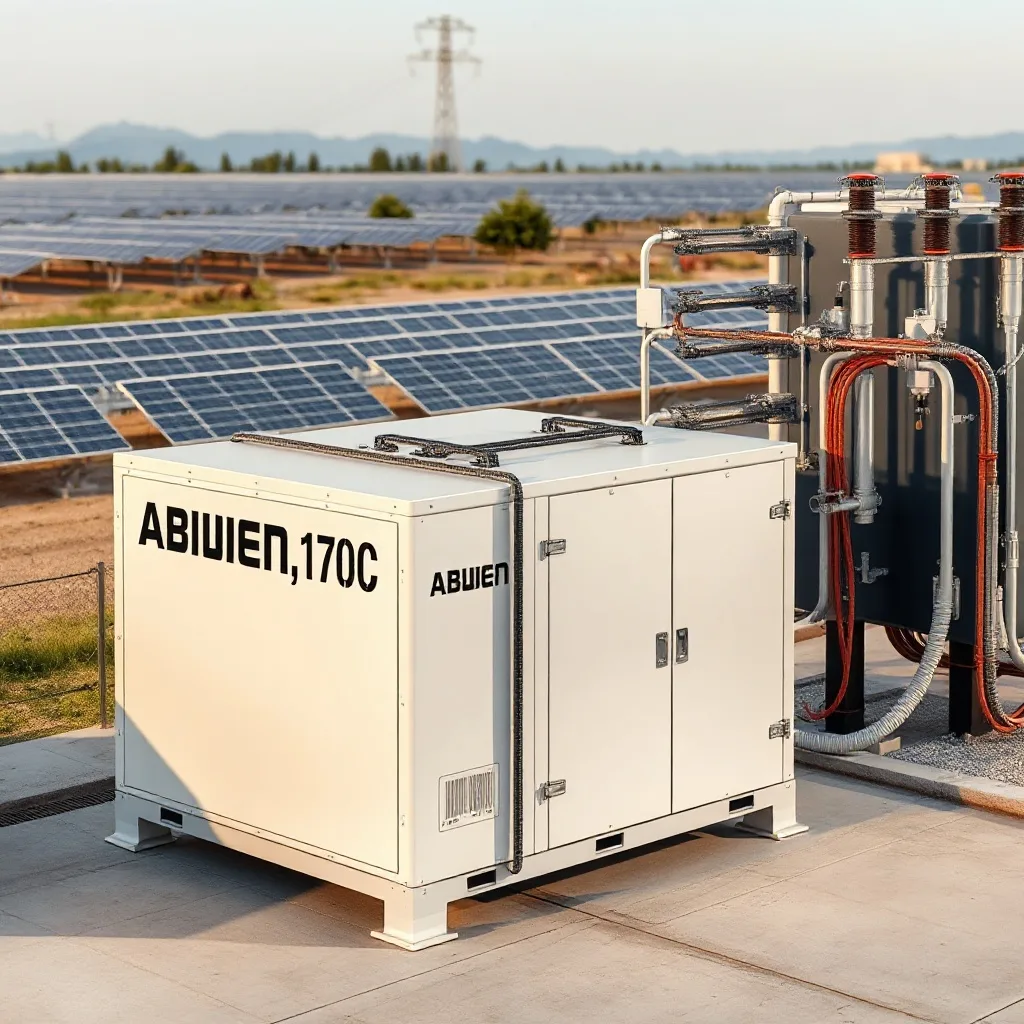
Sodium-ion battery storage is emerging as a practical alternative to lithium-ion technology, especially where affordability, safety, and material availability matter more than maximum energy density. Instead of relying heavily on lithium, nickel, or cobalt, these batteries use widely available sodium compounds.
The technology is not entirely new. Researchers explored sodium-based batteries during the 1970s and 1980s, but lithium-ion chemistry gained commercial momentum first. Rising mineral costs, supply-chain concerns, and rapid renewable-energy growth have now revived interest.
Manufacturers are moving beyond laboratory prototypes. Commercial cells, stationary battery cabinets, and early electric vehicles show that sodium-ion technology can fill important gaps, although performance still varies considerably among products.
Sodium-Ion Battery Storage Core Concepts and Definitions
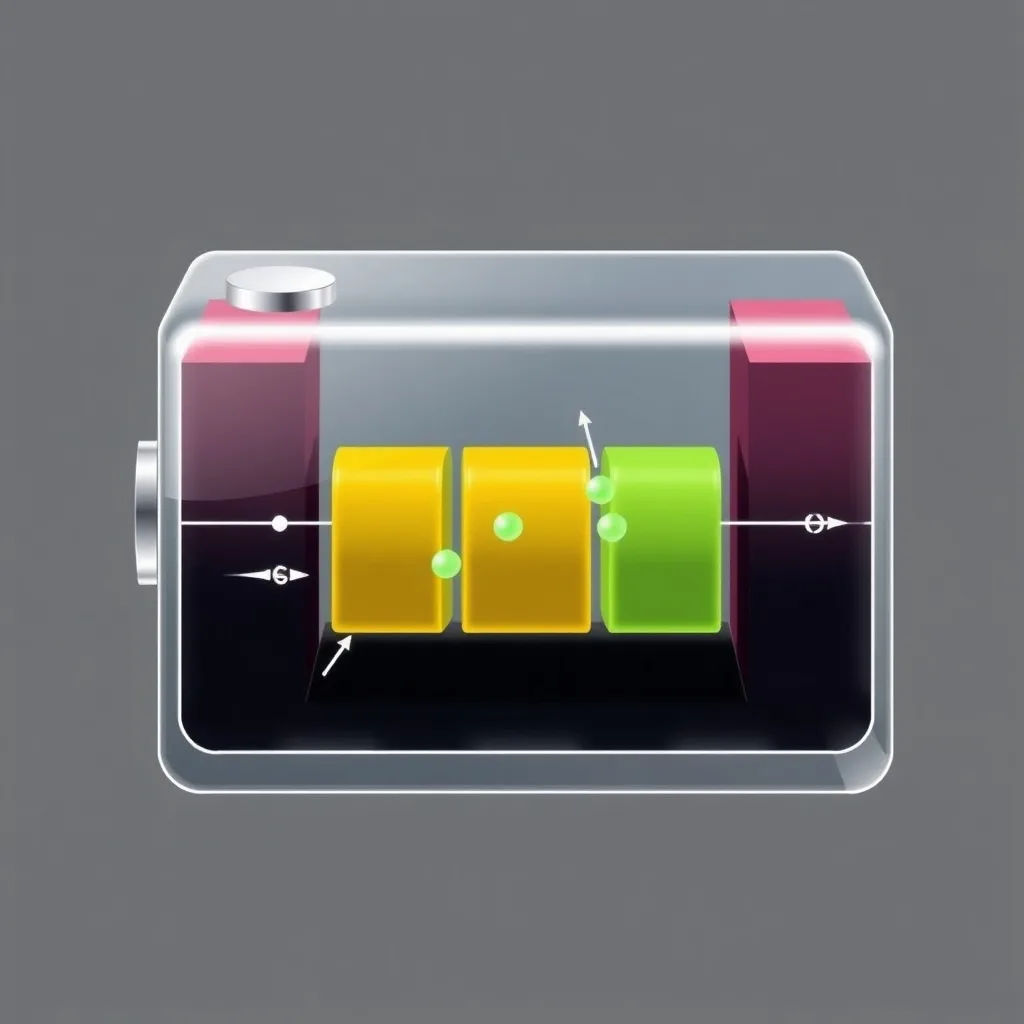
A sodium-ion battery moves sodium ions between a positive electrode, called the cathode, and a negative electrode, known as the anode. During charging, ions travel through the electrolyte toward the anode. They return to the cathode when the battery supplies electricity.
The operating principle resembles that of a lithium-ion battery, but the materials differ. Common sodium-ion cathodes include layered metal oxides, polyanionic compounds, and Prussian blue analogues. Hard carbon is widely used for anodes because conventional graphite does not store sodium efficiently under ordinary conditions.
These material choices create an important economic advantage. Sodium is abundant and geographically widespread, while some cell designs can use aluminum current collectors on both electrodes. That may reduce dependence on copper and ease exposure to volatile critical-mineral markets.
Energy density remains a key limitation. Commercial sodium-ion cells commonly target roughly 100 to 160 watt-hours per kilogram, though specifications depend on chemistry and design. Mainstream lithium-ion cells often deliver higher values. The difference matters in smartphones and long-range vehicles, but it is less critical for stationary [renewable energy storage], where size and weight are more manageable.
Safety is another major consideration. Some sodium-ion chemistries offer strong thermal stability and can be transported at a very low state of charge. However, “safer” does not mean fireproof. Cells still contain electrolytes, electrical connections, and stored energy, so certified enclosures, thermal controls, and reliable [battery management systems] remain essential.
The environmental picture also requires nuance. Abundant sodium can reduce pressure on scarce resources, but cathode manufacturing, hard-carbon production, electricity use, and transportation still have environmental costs. A credible assessment examines the complete life cycle rather than judging a battery by one ingredient.
Commercial Development Performance and Applications
Scientific work on sodium batteries has continued for decades. Early research struggled with suitable electrode materials, cycle life, and stable electrolytes. Progress in hard-carbon anodes, Prussian blue structures, layered oxides, and electrolyte additives gradually improved commercial prospects.
Interest accelerated during the 2010s as electricity networks began absorbing more solar and wind power. In 2021, CATL presented its first-generation sodium-ion cell and discussed combining sodium-ion and lithium-ion cells within the same pack. Other companies in China, Europe, and North America developed products for mobility, industrial power, and stationary storage.
Stationary systems are a natural early market. A large installation does not need to fit beneath a vehicle floor, so lower energy density becomes less restrictive. Such batteries can shift daytime solar production into evening hours, reduce peak demand, support microgrids, and provide backup power.
They may also deliver frequency regulation, a service that helps an electricity network maintain a stable frequency. Fast response and frequent cycling are valuable here. Nevertheless, buyers should compare warranted cycle life, round-trip efficiency, usable capacity, and response time instead of assuming every sodium-ion product behaves identically.
Cold-weather performance is frequently presented as another advantage. Certain sodium-ion cells retain useful power at temperatures where some lithium-ion designs struggle. Actual results depend on cathode chemistry, electrolyte formulation, cell heating, discharge rate, and the manufacturer’s operating limits.
Mobility represents a more selective opportunity. Entry-level electric cars, short-range delivery vehicles, scooters, and low-speed urban vehicles may accept lower energy density in exchange for cost stability and good low-temperature behavior. Premium long-range cars are more likely to continue favoring high-energy lithium-ion cells.
Sodium-ion technology could be particularly useful for [grid-scale storage] in regions seeking diversified supply chains. It does not need to replace lithium-ion everywhere to become commercially significant. Capturing applications in which space is available and frequent cycling is required may be enough to establish a durable market.
Cost claims deserve caution. Low-cost raw materials do not automatically produce a low-cost battery. Factory scale, production yield, equipment utilization, financing, warranties, control software, and system integration strongly influence the final price. Mature lithium iron phosphate manufacturing can therefore remain cheaper than a young sodium-ion supply chain, at least until production expands.
Expert Recommendations and Practical Evaluation Tips
Experts generally advise buyers to evaluate the complete storage system, not merely the chemistry printed on a data sheet. A technically promising cell can still underperform when cooling, controls, installation, or maintenance are inadequate.
– Define the operating purpose first. A project designed for daily solar shifting has different requirements from emergency backup or frequency regulation. The intended duty cycle determines the required power, capacity, and warranty.
– Compare usable rather than nominal capacity. A nominal 100-kilowatt-hour system may not make all that energy available. Depth-of-discharge limits, reserve settings, temperature, and ageing reduce usable output.
– Check round-trip efficiency. This figure shows how much electricity returns after charging losses are considered. It should be evaluated at realistic loads and temperatures, not only under ideal laboratory conditions.
– Review the cycle-life conditions. A claim of several thousand cycles is incomplete unless it identifies depth of discharge, temperature, charge rate, and the remaining capacity at the end of testing.
– Request independent safety certification. Buyers should look for standards relevant to cells, modules, cabinets, transportation, and stationary installations. Local electrical and fire regulations also remain binding.
– Examine thermal-management requirements. Good cold-temperature performance does not eliminate the need for temperature control. Heat, rapid charging, direct sunlight, and poor ventilation can shorten service life.
– Assess supplier credibility. Bankable warranties require a manufacturer or insurer capable of honoring them years later. Pilot-scale production should not be confused with established mass manufacturing.
– Investigate maintenance and monitoring. Remote diagnostics, cell-level voltage tracking, fault alerts, and clear service procedures help operators identify imbalance before it becomes expensive.
– Plan for augmentation. Battery capacity normally declines with use. Commercial projects may need additional modules later to maintain their contracted energy output, so compatible replacement units should be available.
– Confirm site compatibility. Engineers should evaluate foundations, enclosure ratings, electrical protection, humidity, altitude, ambient temperature, and access for emergency responders.
– Calculate total ownership cost. Purchase price alone gives an incomplete answer. Installation, inverters, controls, auxiliary electricity, maintenance, degradation, downtime, and financing belong in the calculation.
– Ask about end-of-life handling. Sodium-ion recycling infrastructure is less mature than established lithium-ion channels. Contracts should clarify ownership, transport, disassembly, and participation in future [battery recycling] programs.
A common mistake is treating all sodium-ion chemistries as interchangeable. A Prussian blue analogue cell may differ substantially from a layered-oxide cell in voltage, moisture sensitivity, lifespan, and manufacturing requirements. The supplier should disclose the tested product configuration.
Another error is comparing cell-level costs with complete system prices. A full installation includes racks, inverters, controls, fire protection, wiring, engineering, labor, and permits. Fair comparisons must use equivalent boundaries and operating assumptions.
Project developers should also avoid planning around announced factory capacity alone. A factory announcement does not guarantee qualified production, acceptable yields, timely delivery, or long-term support. Proven shipments and field-performance records carry more weight.
Frequently Asked Questions
Is sodium-ion battery storage better than lithium-ion storage?
Neither technology is universally better. Sodium-ion batteries may offer abundant raw materials, supply-chain diversification, strong low-temperature performance, and attractive safety characteristics. Lithium-ion technology currently benefits from greater manufacturing scale, higher energy density, extensive field experience, and a broad supplier network.
The best choice depends on the application. A stationary solar project may accept larger equipment, while an electric car places a high value on low weight and compact dimensions.
How long does a sodium-ion battery last?
Lifetime depends on chemistry, operating temperature, charge rate, depth of discharge, and control quality. Some commercial products target thousands of cycles, which can support many years of use under appropriate conditions.
A cycle count should never be read in isolation. Buyers should verify how much capacity remains at the warranty threshold and whether calendar ageing is covered. A lightly cycled battery can still degrade over time.
Are sodium-ion batteries safe?
They can provide meaningful safety advantages, particularly when stable cathode materials and carefully designed electrolytes are used. Some cells demonstrate favorable behavior during thermal testing and tolerate low-voltage transportation.
Even so, every high-energy electrical system introduces hazards. Incorrect installation, short circuits, damaged cells, unsuitable chargers, or failed controls can create serious problems. Professional engineering and certified equipment are still necessary.
Can sodium-ion batteries be used with solar panels?
Yes. A compatible system can store excess solar generation and release it after sunset or during periods of high electricity prices. The installation needs an appropriate inverter, charge controls, protection equipment, and energy-management software.
For a [home energy storage] project, availability may currently be more limited than for lithium iron phosphate products. Homeowners should confirm local certification, installer support, warranty service, and compatibility with existing solar equipment.
Do sodium-ion batteries contain lithium or cobalt?
Their active ion is sodium, so they do not rely on lithium as the charge carrier. Several sodium-ion cathode designs can also avoid cobalt and nickel, although exact material content varies by manufacturer.
This distinction matters for supply resilience, but it does not make production impact-free. Mining, chemical processing, electrode preparation, and factory energy consumption remain part of the environmental footprint.
Are they cheaper than lithium-ion batteries?
They have the potential to become cheaper because sodium resources are abundant and certain designs use relatively inexpensive materials. Potential, however, is not the same as current market reality.
Lithium-ion factories benefit from enormous scale and optimized production. Sodium-ion costs should fall as manufacturing matures, but near-term pricing will differ by region, order volume, chemistry, and system design.
Can sodium-ion batteries replace lithium-ion batteries completely?
A complete replacement is unlikely and unnecessary. Battery markets are large enough for several chemistries to coexist. Sodium-ion systems can serve cost-sensitive stationary projects, cold-climate applications, industrial backup, and selected short-range vehicles.
Lithium-ion batteries will probably remain important where compact size, low weight, established supply, and high energy density dominate purchasing decisions.
Conclusion
Sodium-ion battery storage is moving from a research-driven technology toward a credible commercial option. Its strongest qualities include widely available raw materials, potential cost stability, flexible material choices, and suitability for stationary energy applications.
The technology still faces obstacles. Energy density is lower than that of many lithium-ion products, manufacturing scale remains developing, and long-term field data are limited for newer designs. Recycling and supplier bankability also need closer attention.
For buyers, the sensible approach is practical rather than promotional. They should compare certified systems under realistic operating conditions, examine warranties carefully, and calculate total lifetime cost. Sodium-ion batteries may not dominate every market, but they could become an important part of a more diverse and resilient energy-storage landscape.
Related Posts

Leave a Comment
Your comment will be published after it has been approved. Please send comments that do not contain slang words.