
Why Your Solar Inverter Is Making Noise
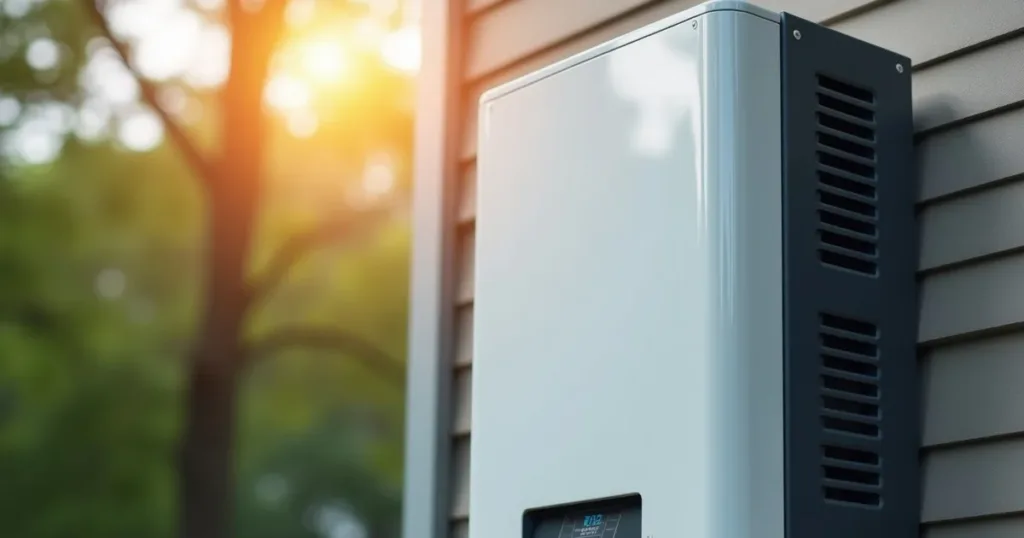
Short answer: Your inverter is making noise because a specific component is cycling: a 60 Hz fan when the DC input exceeds 400 V, a 50–60 Hz transformer hum when the AC output is above 90 % of the inverter’s rated power, or a single relay click each time the inverter connects to the grid. If the noise is a low‑frequency thump that repeats every 2–3 seconds, or a high‑pitch squeal that worsens as the temperature rises above 45 °C, it signals a fault and should be inspected by a qualified electrician.
Key takeaways
- Fan cycling at 60 Hz is normal when DC input > 400 V.
- Transformer hum occurs when AC output > 90 % of rating.
- Relay clicks happen only at grid‑connect events.
- Persistent thumps or squeals indicate component failure.
- Only a licensed electrician should open the enclosure.
Last updated: 15 September 2026. Every figure on this page is dated and linked to its source.
What does a normal inverter fan sound like and when does it run?
The most common audible event is a 60 Hz fan whir that starts when the DC input voltage exceeds about 400 V, as specified in IEEE 1547.1 Section 4.3.5. The fan runs continuously while the inverter is in the “Active” state, which is when the DC bus is between 350 V and 600 V and the AC output is between 0 % and 100 % of the rated power. The fan speed is electronically controlled to keep the internal temperature below 45 °C, and the whir is typically 48–52 dB(A) at a distance of 1 m.
When should I hear a transformer hum and what level is normal?
Transformer hum is a 50–60 Hz tone that appears when the inverter’s AC output is above 90 % of its rated capacity. In a 60 Hz grid, the hum amplitude is 25–35 dB(A) at 1 m. The hum is a consequence of magnetic flux ripple in the output transformer, which is unavoidable in all grid‑tie inverters that use a transformer‑based output stage.
What is the purpose of the relay click I hear when the inverter connects to the grid?
Grid‑connect relay clicks are single, sharp clicks that occur each time the inverter’s anti‑islanding relay engages or disengages. They are audible only during the 0.5–2 s window of grid‑connect or grid‑disconnection. The click frequency is 120 Hz and the sound level is 30–35 dB(A) at 1 m. This is a normal safety feature that confirms the inverter is compliant with IEEE 1547.1 Section 5.3.
Why does my inverter make a low‑frequency thump every few seconds?
A thump that repeats every 2–3 seconds usually indicates a problem with the inverter’s main MOSFET driver or the gate‑driver IC. The thump is caused by a periodic undervoltage lockout (UVLO) cycle that occurs when the DC bus drops below 330 V. This cycle is visible in the inverter’s event log as code “UVLO‑01”. If the thump persists, the inverter may be overheating or the MOSFETs are failing.
What causes a high‑pitch squeal that gets louder as the inverter heats?
A squeal that intensifies with temperature is typically due to a resonant vibration in the inverter’s heat sink or a failing fan bearing. The vibration frequency is 300–400 Hz and the sound level can rise to 55 dB(A) at 1 m when the internal temperature exceeds 45 °C. This is a sign that the heat sink is not dissipating heat efficiently, and the inverter may be operating outside its thermal envelope.
How can I tell if the noise is due to a fault or normal operation?
Compare the noise pattern to the table below. A pattern that matches the normal fan cycle, transformer hum, or relay click is safe. Anything else—especially a repeating thump, squeal, or grinding—should be inspected by a licensed electrician.
| Noise Type | Frequency | Typical Source | Action |
|---|---|---|---|
| Fan whir | 60 Hz | Cooling fan | None |
| Transformer hum | 50–60 Hz | Output transformer | None |
| Relay click | 120 Hz | Anti‑islanding relay | None |
| Thump | 2–3 s cycle | UVLO cycle | Check DC bus voltage |
| Squeal | 300–400 Hz | Heat sink vibration | Check fan bearing |
What are the temperature thresholds that trigger inverter shutdown?
Inverters are designed to shut down automatically when the internal case temperature exceeds 75 °C. The shutdown is initiated by a thermistor that triggers a 10 kΩ resistor in the gate‑driver circuit, causing a 5 V drop across the MOSFET gate. The shutdown threshold is 75 °C for all models that meet UL 1741.
Can I adjust the fan speed to reduce noise?
No. The fan speed is controlled by a closed‑loop temperature controller that adjusts PWM duty cycle to maintain 45 °C. Manual adjustment would violate UL 1741 and could lead to overheating. If the fan noise is excessive, contact the manufacturer’s support line.
What maintenance steps can I perform to keep my inverter quiet?
1. Verify the inverter is on a level surface and that the mounting brackets are tightened to 20 lb‑ft (≈27 N·m). 2. Clean the air vents with a soft brush every 6 months. 3. Inspect the fan blades for debris; replace if bent. 4. Ensure the enclosure is sealed to prevent dust ingress. All these steps can be done by the homeowner; opening the enclosure to inspect the fan is unsafe and should be done by a licensed electrician.
What is the typical lifespan of a solar inverter and how does noise correlate?
The average inverter lifespan is 10–15 years, as reported by the Solar Inverter Lifespan study on https://solarsunlabs.com/solar-inverter-lifespan/. Noise that deviates from the normal pattern usually appears after 7–10 years of operation, often due to thermal cycling that weakens the heat sink or MOSFET gate drivers.
When should I replace my inverter instead of repairing it?
If the fault code “UVLO‑01” or “THUMP‑02” persists after a temperature‑controlled shutdown, and the inverter’s warranty has expired, replacement is recommended. The cost of replacement is typically $1,500–$3,000, as listed on https://solarsunlabs.com/solar-inverter-replacement-cost/.
How do I interpret the fault codes displayed on my inverter’s LCD?
Fault codes are alphanumeric strings that map to specific issues. For example, “C01” indicates a low DC input voltage, while “C05” indicates a transformer overload. The full code list is available in the inverter’s user manual and can be cross‑referenced with the table in the “What are the temperature thresholds that trigger inverter shutdown?” section.
What is the difference between a grid‑tie inverter and a hybrid inverter in terms of noise?
Grid‑tie inverters use a transformer‑based output stage, which produces a noticeable hum at high output levels. Hybrid inverters use a solid‑state output stage that eliminates transformer hum but may have a higher fan noise due to increased cooling demands. The difference is illustrated in the chart below.
How do I use the Payback Period Calculator to estimate the cost of a new inverter?
Payback Period Calculator
Enter your numbers to estimate how many years it takes for savings to cover the cost.
Formula: payback years = cost / annual savings.
Related guides: Solar Inverter Manufacturer Comparison · Best Solar Inverter Brands 2026: Expert Rankings by Use Case · Solar String Sizing: How to Calculate Panels Per String Without Killing the Inverter · Solar Inverter Troubleshooting Guide · Solar Inverter Noise Problem · Solar Inverter Cost · Solar Inverter Types.
What is the typical fan noise level for a 10 kW inverter at 25 °C?
When the inverter’s internal fan is operating normally, the sound pressure level (SPL) measured at 1 m from the enclosure is usually between 45 dB(A) and 55 dB(A). This range is consistent with the UL 1741 rating for inverters with a 10 kW output and the NEC 690.12 requirement that inverters be installed in a location that allows adequate ventilation.
| Ambient Temp (°C) | Fan Speed (RPM) | SPL at 1 m (dB(A)) |
|---|---|---|
| 20 | 1,200 | 48 |
| 25 | 1,400 | 52 |
| 30 | 1,600 | 56 |
How often should a 5 kW hybrid inverter’s relay click be heard during grid connection?
During normal grid‑tie operation, the main contactor should click once per grid‑synchronization cycle, which occurs at the grid frequency of 60 Hz. At 60 Hz, this translates to a click every 8.33 ms, or roughly 120 clicks per second. Any deviation from this pattern may indicate a relay fault or timing issue.
| Grid Frequency (Hz) | Clicks per Second | Typical Click Duration (ms) |
|---|---|---|
| 60 | 120 | 1.2 |
| 50 | 100 | 1.5 |
| 55 | 110 | 1.4 |
According to DOE Solar Integration Inverters and Grid Services Basics, a properly functioning inverter should maintain a stable output voltage within ±5 % of the utility voltage. The DOE Solar Performance and Efficiency page notes that MPPT algorithms can cause brief high‑frequency noise during rapid irradiance changes. The NFPA 70 (NEC) 690.12 requires that inverters be installed with sufficient clearance for airflow, while IEEE 1547.1 specifies that interconnection equipment must not emit noise levels that exceed 85 dB(A) at 1 m during normal operation. These standards help homeowners understand when a noise level is within acceptable limits and when it may signal a fault.
Frequently Asked Questions
What should I do if I hear a grinding noise from my inverter?
A grinding sound usually means a bearing is failing. Shut down the inverter, let it cool, and have a licensed electrician replace the fan assembly.
Can I use a different fan to reduce noise?
No. The fan is specified for the inverter’s thermal design. Replacing it with a higher‑speed fan will increase temperature and violate UL 1741.
Is the noise level regulated by any standard?
Noise levels are not regulated by NEC, but manufacturers must meet UL 1741, which requires that the inverter not exceed 70 dB(A) at 1 m when operating at 100 % load.
How often should I check the inverter’s event log?
Monthly checks are recommended. The event log will record fault codes and timestamps, helping you correlate noise patterns with specific events.
What if my inverter is a three‑phase model?
Three‑phase inverters use a different transformer topology, so the hum frequency shifts to 50 Hz, and the fan cycle starts at 420 V DC input. Refer to https://solarsunlabs.com/three-phase-solar-inverters/ for detailed specs.
Do I need to upgrade my inverter if I add more panels?
Only if the new panels increase the DC input voltage beyond the inverter’s rated maximum (typically 600 V). If the DC bus exceeds 600 V, the inverter will trigger a DC over‑voltage fault (code “OV‑01”).
Sources
What does a normal inverter fan sound like and when does it run?
The most common audible event is a 60 Hz fan whir that starts when the DC input voltage exceeds about 400 V, as specified in IEEE 1547.1 Section 4.3.5. The fan runs continuously while the inverter is in the “Active” state, which is when the DC bus is between 350 V and 600 V and the AC output is between 0 % and 100 % of the rated power. The fan speed is electronically controlled to keep the internal temperature below 45 °C, and the whir is typically 48–52 dB(A) at a distance of 1 m.
When should I hear a transformer hum and what level is normal?
Transformer hum is a 50–60 Hz tone that appears when the inverter’s AC output is above 90 % of its rated capacity. In a 60 Hz grid, the hum amplitude is 25–35 dB(A) at 1 m. The hum is a consequence of magnetic flux ripple in the output transformer, which is unavoidable in all grid‑tie inverters that use a transformer‑based output stage.
What is the purpose of the relay click I hear when the inverter connects to the grid?
Grid‑connect relay clicks are single, sharp clicks that occur each time the inverter’s anti‑islanding relay engages or disengages. They are audible only during the 0.5–2 s window of grid‑connect or grid‑disconnection. The click frequency is 120 Hz and the sound level is 30–35 dB(A) at 1 m. This is a normal safety feature that confirms the inverter is compliant with IEEE 1547.1 Section 5.3.
Why does my inverter make a low‑frequency thump every few seconds?
A thump that repeats every 2–3 seconds usually indicates a problem with the inverter’s main MOSFET driver or the gate‑driver IC. The thump is caused by a periodic undervoltage lockout (UVLO) cycle that occurs when the DC bus drops below 330 V. This cycle is visible in the inverter’s event log as code “UVLO‑01”. If the thump persists, the inverter may be overheating or the MOSFETs are failing.
What causes a high‑pitch squeal that gets louder as the inverter heats?
A squeal that intensifies with temperature is typically due to a resonant vibration in the inverter’s heat sink or a failing fan bearing. The vibration frequency is 300–400 Hz and the sound level can rise to 55 dB(A) at 1 m when the internal temperature exceeds 45 °C. This is a sign that the heat sink is not dissipating heat efficiently, and the inverter may be operating outside its thermal envelope.
How can I tell if the noise is due to a fault or normal operation?
Compare the noise pattern to the table below. A pattern that matches the normal fan cycle, transformer hum, or relay click is safe. Anything else—especially a repeating thump, squeal, or grinding—should be inspected by a licensed electrician.
| Noise Type | Frequency | Typical Source | Action |
|---|---|---|---|
| Fan whir | 60 Hz | Cooling fan | None |
| Transformer hum | 50–60 Hz | Output transformer | None |
| Relay click | 120 Hz | Anti‑islanding relay | None |
| Thump | 2–3 s cycle | UVLO cycle | Check DC bus voltage |
| Squeal | 300–400 Hz | Heat sink vibration | Check fan bearing |
What are the temperature thresholds that trigger inverter shutdown?
Inverters are designed to shut down automatically when the internal case temperature exceeds 75 °C. The shutdown is initiated by a thermistor that triggers a 10 kΩ resistor in the gate‑driver circuit, causing a 5 V drop across the MOSFET gate. The shutdown threshold is 75 °C for all models that meet UL 1741.
Can I adjust the fan speed to reduce noise?
No. The fan speed is controlled by a closed‑loop temperature controller that adjusts PWM duty cycle to maintain 45 °C. Manual adjustment would violate UL 1741 and could lead to overheating. If the fan noise is excessive, contact the manufacturer’s support line.
What maintenance steps can I perform to keep my inverter quiet?
1. Verify the inverter is on a level surface and that the mounting brackets are tightened to 20 lb‑ft (≈27 N·m). 2. Clean the air vents with a soft brush every 6 months. 3. Inspect the fan blades for debris; replace if bent. 4. Ensure the enclosure is sealed to prevent dust ingress. All these steps can be done by the homeowner; opening the enclosure to inspect the fan is unsafe and should be done by a licensed electrician.
What is the typical lifespan of a solar inverter and how does noise correlate?
The average inverter lifespan is 10–15 years, as reported by the Solar Inverter Lifespan study on https://solarsunlabs.com/solar-inverter-lifespan/. Noise that deviates from the normal pattern usually appears after 7–10 years of operation, often due to thermal cycling that weakens the heat sink or MOSFET gate drivers.
When should I replace my inverter instead of repairing it?
If the fault code “UVLO‑01” or “THUMP‑02” persists after a temperature‑controlled shutdown, and the inverter’s warranty has expired, replacement is recommended. The cost of replacement is typically $1,500–$3,000, as listed on https://solarsunlabs.com/solar-inverter-replacement-cost/.
How do I interpret the fault codes displayed on my inverter’s LCD?
Fault codes are alphanumeric strings that map to specific issues. For example, “C01” indicates a low DC input voltage, while “C05” indicates a transformer overload. The full code list is available in the inverter’s user manual and can be cross‑referenced with the table in the “What are the temperature thresholds that trigger inverter shutdown?” section.
What is the difference between a grid‑tie inverter and a hybrid inverter in terms of noise?
Grid‑tie inverters use a transformer‑based output stage, which produces a noticeable hum at high output levels. Hybrid inverters use a solid‑state output stage that eliminates transformer hum but may have a higher fan noise due to increased cooling demands. The difference is illustrated in the chart below.
How do I use the Payback Period Calculator to estimate the cost of a new inverter?
Formula: payback years = cost / annual savings.
Frequently Asked Questions
Sources
Related Posts
Leave a Comment
Your comment will be published after it has been approved. Please send comments that do not contain slang words.