
Solar Inverter Grid Codes
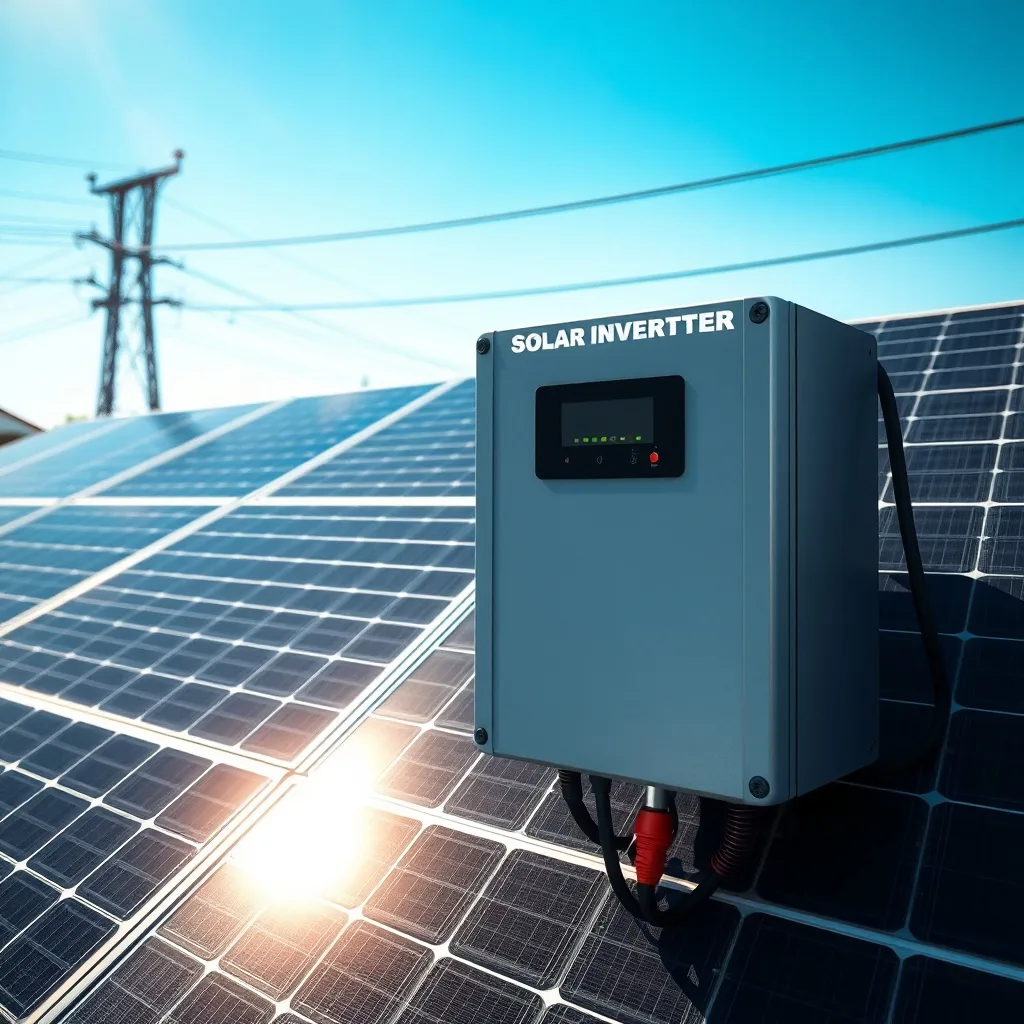
Solar inverter grid codes are the technical standards your inverter must meet to connect to the utility grid — they govern how the inverter behaves during grid disturbances, what safety functions it performs, and how it interacts with the utility’s system. Your installer handles compliance, but understanding the basics helps you make sense of the interconnection paperwork, the equipment list, and the settings your utility may require. This guide covers what the codes are, the standards behind them, the approval steps, and what happens when equipment falls out of date.
Table of Contents
- What do grid codes actually require?
- What are the key inverter standards?
- Standards Overview
- How does inverter approval and interconnection work?
- Frequently Asked Questions
What do grid codes actually require?
Grid codes require inverters to: shut down safely when the grid loses power (anti-islanding, protecting utility workers), maintain power quality standards (voltage, frequency, harmonics), and increasingly provide grid-support functions like voltage regulation. These aren’t optional — non-compliant inverters can’t legally connect to the grid.
What is anti-islanding?
When the grid goes down, a connected inverter must stop exporting within a defined time so it does not energize a line that utility crews believe is dead. This is the oldest and most fundamental requirement, and it is why a standard grid-tied system produces nothing during an outage unless it has a battery and a transfer switch that isolates the home. The Department of Energy’s inverters and grid services basics page explains how inverters detect grid conditions and what grid services they can provide.
What are power quality requirements?
The inverter must deliver a clean sine wave at the right voltage and frequency, with limits on harmonic distortion and DC injection. Poor power quality from many small systems adds up on a distribution circuit, so the limits are tight and are tested during equipment certification rather than at your home.
What is grid support?
Modern codes ask inverters to help the grid instead of simply dropping offline at the first disturbance. Functions include riding through short voltage or frequency dips, adjusting reactive power to support local voltage, and reducing output when frequency runs high. The DOE’s systems integration basics page describes why these functions matter as solar becomes a larger share of generation. Our smart inverter control guide covers the settings in more detail.
Why are grid rules getting stricter?
Early grid codes were written for a grid with very little distributed generation, so the safest behavior was for an inverter to disconnect at the first sign of trouble. As rooftop and community solar grew, that behavior became a problem: a minor voltage dip could cause thousands of inverters to drop offline at once and deepen the disturbance. The newer ride-through and grid-support functions exist so that solar stays connected and helps stabilize the grid rather than adding to the swing. Expect utilities to keep adding required settings as solar and batteries grow.
What are the key inverter standards?
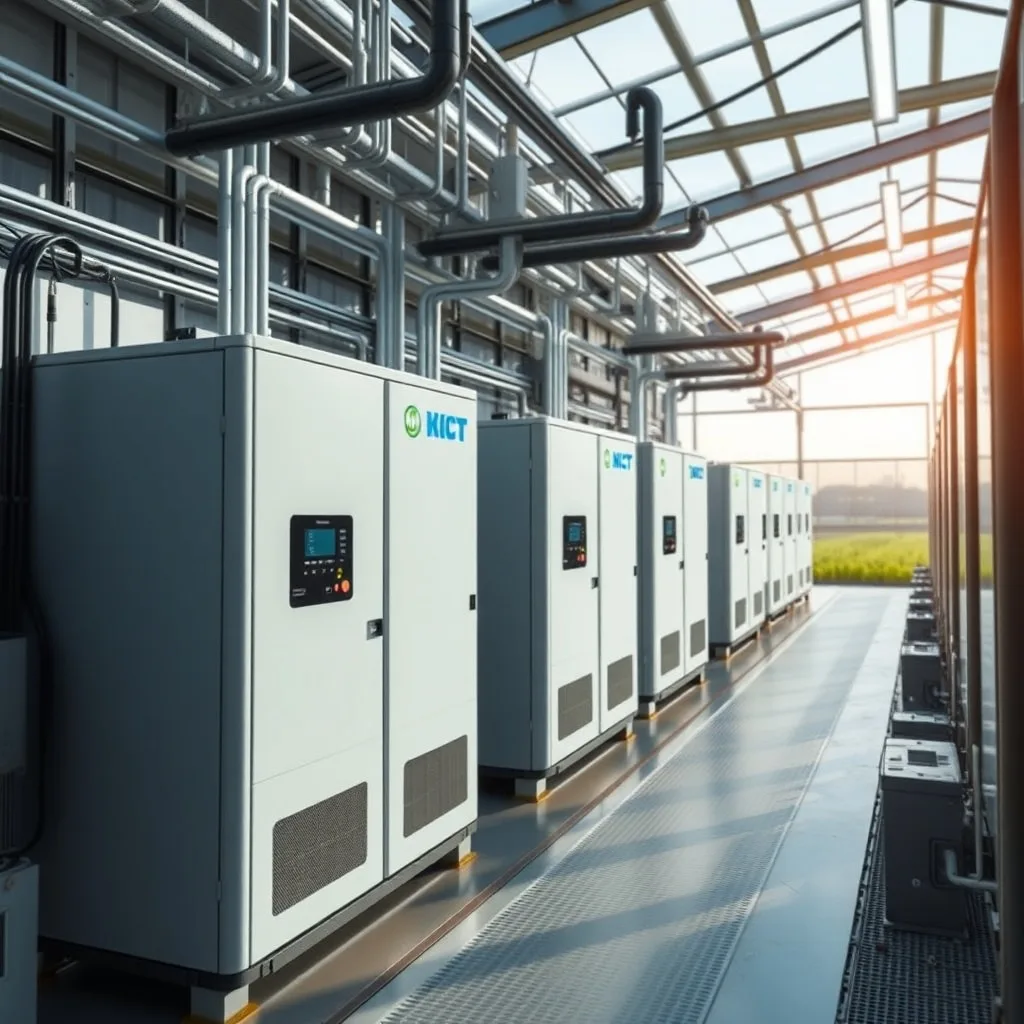
IEEE 1547 is the primary US interconnection standard, defining technical requirements. UL 1741 certifies that equipment meets those requirements. Local utilities layer their own specific interconnection rules on top. Your installer must ensure the inverter carries the right certifications and is configured for your utility’s requirements.
What is IEEE 1547?
Published by the Institute of Electrical and Electronics Engineers, IEEE 1547 sets the technical requirements for connecting distributed energy resources to the grid. The 2018 revision added the grid-support functions described above, including voltage and frequency ride-through and volt-var behavior. Utilities and state regulators adopt it on their own schedules, which is why requirements can differ from one territory to the next even though the underlying standard is the same.
What is UL 1741?
UL 1741 is the product safety and certification standard for inverters and converters. An inverter listed to UL 1741 has been tested by a certification lab to confirm it performs the functions the interconnection standard requires. Supplements to the standard track the newer IEEE 1547 grid-support functions, so a utility may specify a particular supplement in its equipment requirements.
What electrical codes and local rules apply?
The National Electrical Code, published by the NFPA as NFPA 70, governs the wiring, disconnects, labeling, and rapid shutdown provisions that the local inspector checks. Utility interconnection rules then add the application process, export limits, metering requirements, and any inverter settings the utility wants enabled. Our grid-tie inverter guide explains how these pieces fit together in a typical installation.
Standards Overview
| Standard | Governs | Who Enforces It | What You See |
|---|---|---|---|
| IEEE 1547 | Technical interconnection requirements, ride-through, grid support | Utilities and state regulators through adoption | Required inverter settings in the interconnection agreement |
| UL 1741 | Equipment safety and compliance certification | Certification labs; checked by utility and inspector | Listing mark on the inverter and its spec sheet |
| NFPA 70 (NEC) | Wiring, disconnects, labeling, rapid shutdown | Local building or electrical inspector | Permit and final inspection |
| Local utility interconnection rules | Application process, export limits, metering | Your utility | Application, meter swap, permission to operate |
How does inverter approval and interconnection work?
Your installer submits an interconnection application to your utility with inverter specifications and certifications. The utility reviews compliance, may require specific settings, and approves interconnection. This process typically takes weeks to months depending on the utility. You can’t legally operate a grid-tied system until this approval is granted.
What are the interconnection steps?
The sequence is usually: application with a single-line diagram and equipment list; utility technical review; building permit and installation; electrical inspection; utility witness test or meter change; and finally written permission to operate. Some utilities allow the system to run in a limited mode before the meter swap, most do not. Ask the installer at contract signing who is responsible for each step and how long each has been taking recently in your territory.
Where do interconnection delays happen?
Most delays come from incomplete applications, circuits that need a utility study because they already host a lot of solar, and inspection scheduling. Export limits are another source of friction: if the circuit cannot absorb full export, the utility may require the inverter to be set to a lower export cap, which the installer configures in software.
What documents should I keep?
Keep the interconnection agreement, the approved application, the permission-to-operate letter, the inverter’s certification listing, and a copy of any required settings. You will need them if you add a battery, replace the inverter, sell the house, or file a warranty claim. Our inverters hub covers replacement and upgrade situations.

Can I replace or add equipment later?
Adding a battery, swapping an inverter, or expanding the array usually reopens the interconnection file. The utility will want the new equipment’s certification and may require current settings even if the original system was approved under older rules. Budget time for this; it is often the slowest part of an upgrade. Our inverter lifespan guide explains when replacement typically becomes necessary.
What should I ask before signing?
Ask which inverter model is proposed and confirm its listing on the spec sheet, whether your utility has a published list of approved inverters, whether an export limit is expected on your circuit, and who files the application and follows up. Installers who work in your utility territory every week will answer these quickly; hesitation is a signal to ask more questions.
Frequently Asked Questions
Do I need to research grid codes myself?
No — your installer handles compliance; you just need a licensed installer who knows your utility’s requirements.
What is IEEE 1547?
The primary US technical standard defining how inverters must interact with the grid, including safety and power quality requirements.
Can an older inverter fail newer grid codes?
Yes — inverter standards have evolved; replacing an older inverter may require one meeting current codes.
How long does interconnection approval take?
Typically weeks to a few months, varying significantly by utility and how busy they are.
Do grid codes vary by state?
The base standards are national, but utilities and states layer specific requirements on top, so details vary.
What is UL 1741 and why does it matter?
It is the certification standard proving an inverter performs the functions IEEE 1547 requires; utilities generally will not approve an inverter without it.
For the broader smart-inverter functions these standards require, see our smart inverter control guide. For independent background, see Wikipedia’s IEEE 1547 overview.
For the full breakdown, see our grid tie inverter guide.
Code compliance also turns on bonding detail, which is covered in solar panel grounding and bonding.
Related Posts
Leave a Comment
Your comment will be published after it has been approved. Please send comments that do not contain slang words.