
Solar Inverter Lifespan
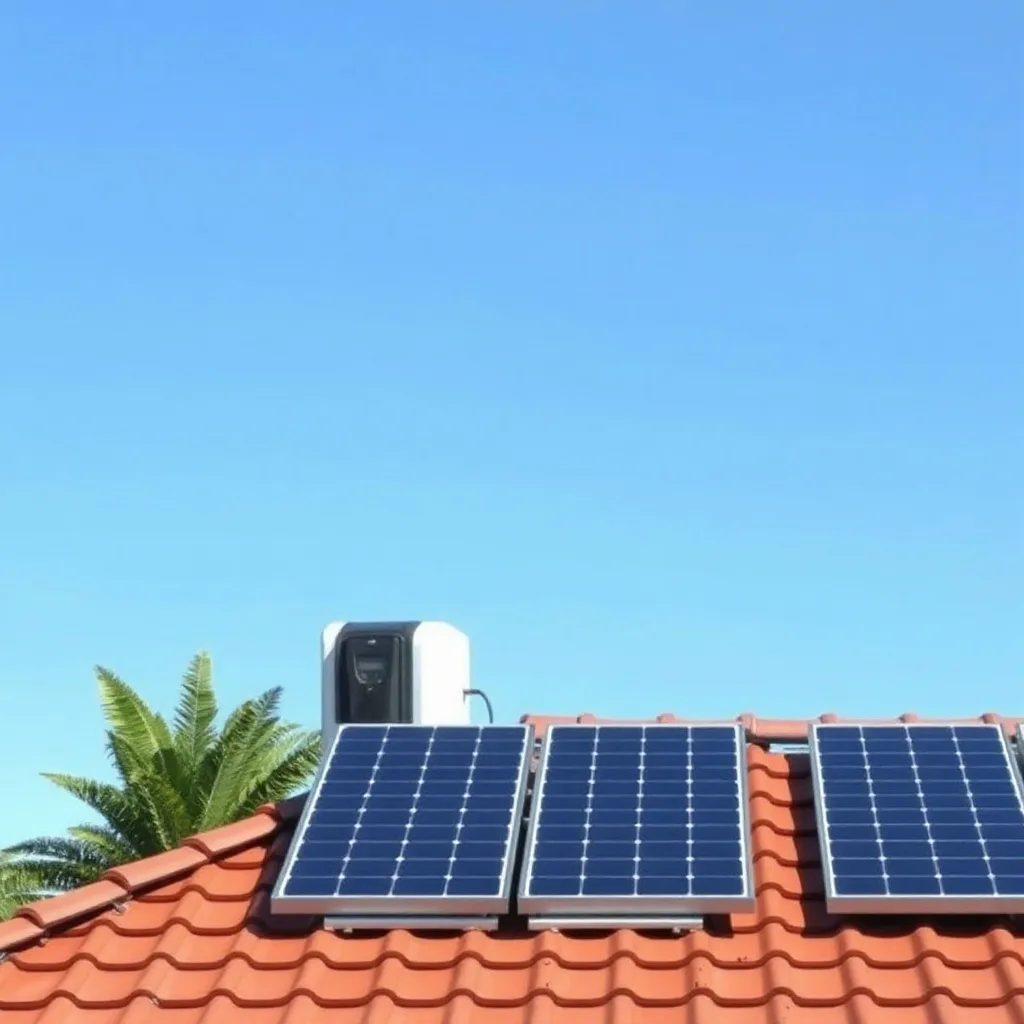
The solar inverter lifespan is one of the most overlooked factors when people invest in solar power, yet it has a direct impact on long-term returns. While solar panels routinely last 25 to 30 years, the inverter — the device that converts your panels’ DC output into usable AC electricity — works far harder and typically wears out much sooner. Understanding how long solar inverters last, what shortens their life, and how to extend it can save you thousands over the life of your system. In this guide, we break down the real-world solar inverter lifespan by type, the key factors that affect durability, region-by-region differences, and the maintenance habits that keep an inverter running at peak performance for as long as possible.
How Long Do Solar Inverters Last
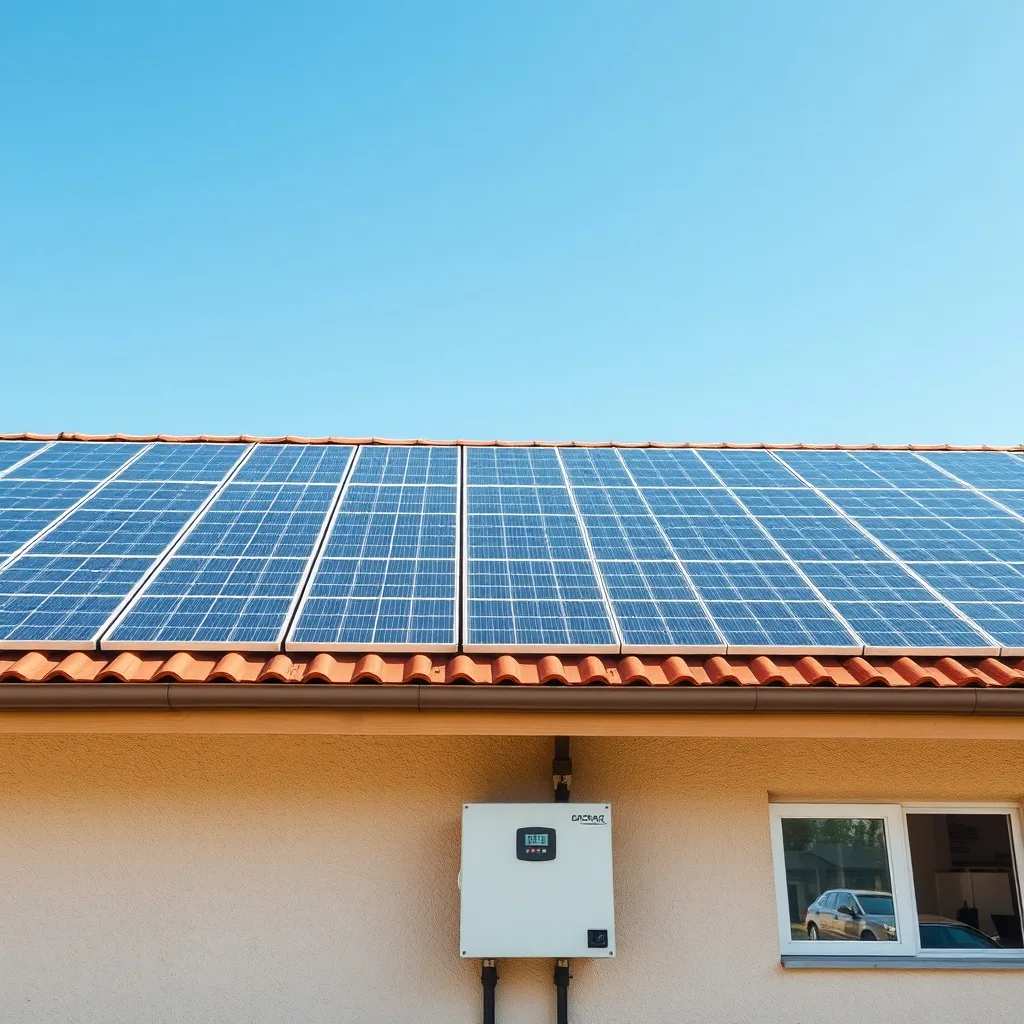
The solar inverter lifespan depends heavily on the type of inverter installed. Unlike panels, which degrade slowly and predictably, inverters are active electronics that eventually fail — and the timeline varies by design.
On average, a standard string inverter lasts around 10 to 15 years, meaning most solar owners will replace at least one inverter during the life of their system. Microinverters and power optimizers, mounted at each panel, often carry longer warranties. Understanding these differences up front helps you plan for replacement costs before they arrive.
- String inverters: typically last 10 to 15 years
- Microinverters: often warrantied for 20 to 25 years
- Hybrid inverters: generally last 10 to 15 years with battery support
- Central inverters: used in large systems, with scheduled servicing
Because the inverter is the component most likely to need replacing, choosing quality hardware matters. Exploring the full range of solar inverters helps you match the right technology and lifespan expectation to your system. Research from the National Renewable Energy Laboratory (NREL) has long identified inverter reliability as a central factor in overall solar system performance.
Factors Affecting Solar Inverter Lifespan
Several factors determine whether an inverter reaches the top or bottom of its expected lifespan range. Knowing them helps you protect your investment from premature failure.
Heat is the single biggest enemy of any inverter. The electronic components inside degrade faster when exposed to sustained high temperatures, which is why installation location and ventilation matter enormously.
- Quality: High-quality inverters from reputable manufacturers consistently outlast cheaper alternatives, making brand reputation a worthwhile investment.
- Temperature: Extreme heat or cold accelerates wear, so proper ventilation and a shaded location significantly extend inverter life.
- Usage patterns: Systems running at maximum capacity for long periods experience faster component aging than moderately loaded ones.
- Installation quality: Poor wiring, loose connections, or moisture exposure can cause faults that shorten lifespan dramatically.
- Maintenance: Regular cleaning, inspection, and monitoring catch small issues before they become failures.
A well-matched system also reduces stress on the inverter. Pairing your inverter correctly with panels and, where relevant, storage — such as through a hybrid solar inverter — helps the unit operate within its comfort zone and last longer.
Solar Inverter Lifespan at a Glance (2026 Data)
| Inverter type | Typical solar inverter lifespan | Warranty norm | Usual end-of-life cause |
|---|---|---|---|
| String inverter | 10–15 years | 10–12 years | Electrolytic capacitor wear |
| String + optimizers | 10–15 (unit), 20–25 (optimizers) | 12 / 25 years | Central unit fails first |
| Microinverters | 15–25 years | 25 years | Individual unit swap-outs |
| Hybrid (battery-ready) | 10–15 years | 10–12 years | Higher duty cycle from battery cycling |
Two practical implications follow. First, on a 25-year array, a string unit implies one planned replacement &mdash. Budget
Solar Inverter Lifespan by Type
,500–$3,000 for it around year 12, a line item covered in our solar inverter cost guide. Second, warranty length tracks engineering confidence: the jump from 12- to 25-year coverage on microinverters reflects the removal of the short-lived high-voltage electrolytics that cap string solar inverter lifespan.
Solar Inverter Lifespan by Type
Different inverter designs age in different ways, and the right choice depends on your roof, budget, and how long you want the system to run without intervention.
| Inverter Type | Typical Lifespan | Main Advantage | Key Consideration |
|---|---|---|---|
| String inverter | 10-15 years | Low cost, simple | One unit serves the whole array |
| Microinverter | 20-25 years | Panel-level performance | Higher upfront cost |
| Hybrid inverter | 10-15 years | Works with batteries | More complex electronics |
| Central inverter | 10-20 years | Efficient at scale | Needs professional servicing |
Choosing the right type is a balance between upfront cost and long-term lifespan. Microinverters cost more initially but may outlast several string inverter replacements, which can make them the better value over decades.
Regional Variations in Solar Inverter Lifespan
Where you install an inverter has a major effect on how long it lasts, because climate and grid conditions vary dramatically around the world.
- US: Inverters are typically built to handle wide environmental swings, but hot desert states in the Southwest see shorter lifespans due to sustained heat.
- EU: Strong quality regulations and generally moderate climates contribute to longer average inverter lifespans across much of Europe.
- China: A rapidly advancing manufacturing base produces increasingly durable inverters, though performance varies widely by product tier.
- India: High ambient temperatures and dust place extra stress on inverters, making cooling and regular cleaning essential for reaching full lifespan.
- Middle East: Extreme heat and dust are the dominant stressors, so thermal management is critical to prevent premature failure.
These regional differences explain why the same inverter model can last noticeably longer in one country than another. The International Energy Agency (IEA) tracks how solar equipment performs across these varied conditions, and climate is consistently a leading factor in reliability.
What Kills Inverters Early: The Top 4 Life-Shorteners
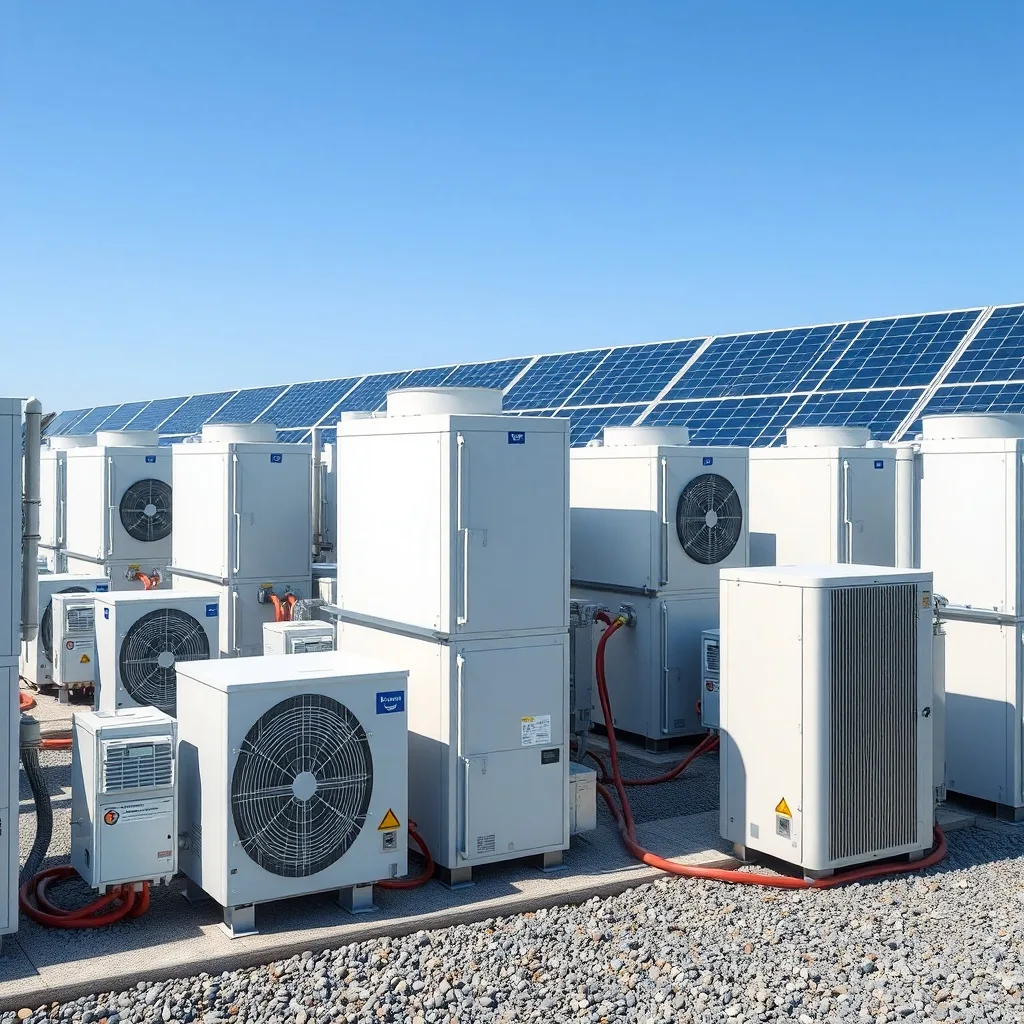
Heat, first and always. Every 10 °C of sustained temperature rise roughly halves electrolytic capacitor life. A unit mounted on a sun-baked west wall can lose years of solar inverter lifespan compared with the same unit on a shaded north wall.
Undersized ventilation. Enclosures, cabinets and garage corners that trap heat force constant derating. Give the unit the clearances the manual specifies &mdash. They are lifespan numbers, not suggestions.
Grid instability. Frequent voltage excursions make the inverter work harder at its electrical limits. If your monitoring shows repeated grid-fault reconnects, report them to the utility. Each event stresses the same components that define solar inverter lifespan.
Moisture and pests. Failed enclosure gaskets, wasp nests in vents and rodent-chewed cable insulation cause a surprising share of early failures &mdash. All preventable with an annual visual check.
Address these four and most owners reach the far end of the solar inverter lifespan ranges above rather than the near end &mdash. Often the difference between one replacement and two across the array’s life.
Maintenance Practices to Extend Inverter Life
Proper maintenance is the most reliable way to push an inverter toward the top of its lifespan range. Most of it is simple and inexpensive, especially compared to early replacement.
The goal is to keep the unit cool, clean, and monitored so that small problems are caught before they cascade into failure.
- Regular inspections: Check for loose connections, corrosion, or physical damage that could affect performance.
- Cleaning: Keep the inverter and its vents free of dust to maintain proper cooling and airflow.
- Performance monitoring: Use your monitoring app to spot sudden drops in output that signal a developing fault.
- Professional service: Schedule periodic checks from a qualified technician, especially as the unit ages.
- Ventilation: Ensure the surrounding area stays open and shaded to reduce thermal stress.
Monitoring is particularly valuable because a dip in production is often the first warning sign. Tools that help with calculating your solar savings double as early-warning systems, since a sudden fall in savings usually points to a hardware issue worth investigating. The U.S. Department of Energy (DOE) also publishes general guidance on maintaining solar systems safely.
When to Replace Your Solar Inverter
Even with excellent care, every inverter eventually reaches the end of its life. Knowing when to replace rather than repair saves money and prevents lost production.
A young inverter under warranty should almost always be repaired or replaced under that warranty. An older unit that fails repeatedly, or one that is hard to source parts for, is usually better replaced entirely.
- Frequent fault codes or repeated shutdowns on an older unit
- Noticeable, ongoing drops in energy production
- Repair costs approaching the price of a new inverter
- Desire to add battery storage, which may need a hybrid model
Replacement is also an opportunity to upgrade. Newer inverters are more efficient, offer better monitoring, and often support batteries, so a failure can become a chance to modernize your whole system and even improve its overall lifespan and value.
Future Trends in Inverter Technology
Inverter technology continues to advance, and these improvements are steadily pushing the solar inverter lifespan higher while adding useful features.
- Grid-interactive inverters that integrate smoothly with utility grids for better energy management
- Smart inverters with advanced monitoring and remote control for optimized performance
- Battery-integrated inverters that combine generation and storage for greater self-consumption
- Hybrid inverters that manage solar, wind, and battery inputs in one resilient system
As these technologies mature, inverters are becoming more durable and easier to maintain, which should gradually extend average lifespans. Staying aware of solar technology trends helps you time upgrades wisely and get the longest, most productive life from your equipment.
Frequently Asked Questions
How long do solar inverters typically last?
Most string inverters last around 10 to 15 years, while microinverters can last 20 to 25 years, so at least one replacement over a system’s life is common.
Can solar inverters be repaired or must they be replaced?
Some faults can be repaired, especially under warranty, but if damage is extensive or the unit is old and failing repeatedly, full replacement is usually more cost-effective.
Do temperature fluctuations affect solar inverter lifespan?
Yes, extreme heat is the biggest factor in premature inverter failure, which is why proper ventilation, shading, and temperature control are so important for longevity.
How can I extend the lifespan of my solar inverter?
Keep it cool and clean, ensure good ventilation, monitor production for early warning signs, and schedule periodic professional inspections to catch issues early.
Does a battery shorten solar inverter lifespan?
A hybrid unit cycling a battery daily works harder than a solar-only inverter, and sustained duty does age power electronics faster. In practice the effect is modest when the unit is sized correctly and kept cool. An undersized hybrid running near its limit every evening ages fastest of all. Sizing headroom is cheap solar inverter lifespan insurance.
Is it worth replacing a working 12-year-old inverter proactively?
Sometimes. If the unit is out of warranty, efficiency has slipped a few percent, and a rebate or panel upgrade is on the table anyway, folding a replacement into that project avoids paying twice for labor. If it runs clean and the monitoring is healthy, run it &mdash. Capacitors do not read calendars, and plenty of string units quietly outlive their rated solar inverter lifespan.
Do inverters last longer in cool climates?
Measurably, yes. Field data from fleet operators consistently shows units in temperate coastal climates outlasting identical models in hot inland regions by several years. Cooling degree-days are a better predictor of solar inverter lifespan than brand reputation &mdash. Which is why the same warranty covers both, and why owners in hot regions should prioritize shaded mounting above every other placement consideration.
What monitoring numbers predict end of life?
Three signals, in order of reliability: a rising internal-temperature baseline at equal output, a slow multi-month decline in peak conversion efficiency, and increasingly frequent restart or grid-reconnect events in the log. Any two together justify a service inspection. All three usually mean the replacement conversation has already started, whatever the calendar says about solar inverter lifespan. The pattern across all of these questions is consistent: solar inverter lifespan is mostly a thermal story, partly a duty-cycle story, and only marginally a brand story. Control the heat, keep firmware current, watch the monitoring data &mdash. And the calendar takes care of itself.
Related Posts
Leave a Comment
Your comment will be published after it has been approved. Please send comments that do not contain slang words.