
Tax Benefits for Solar
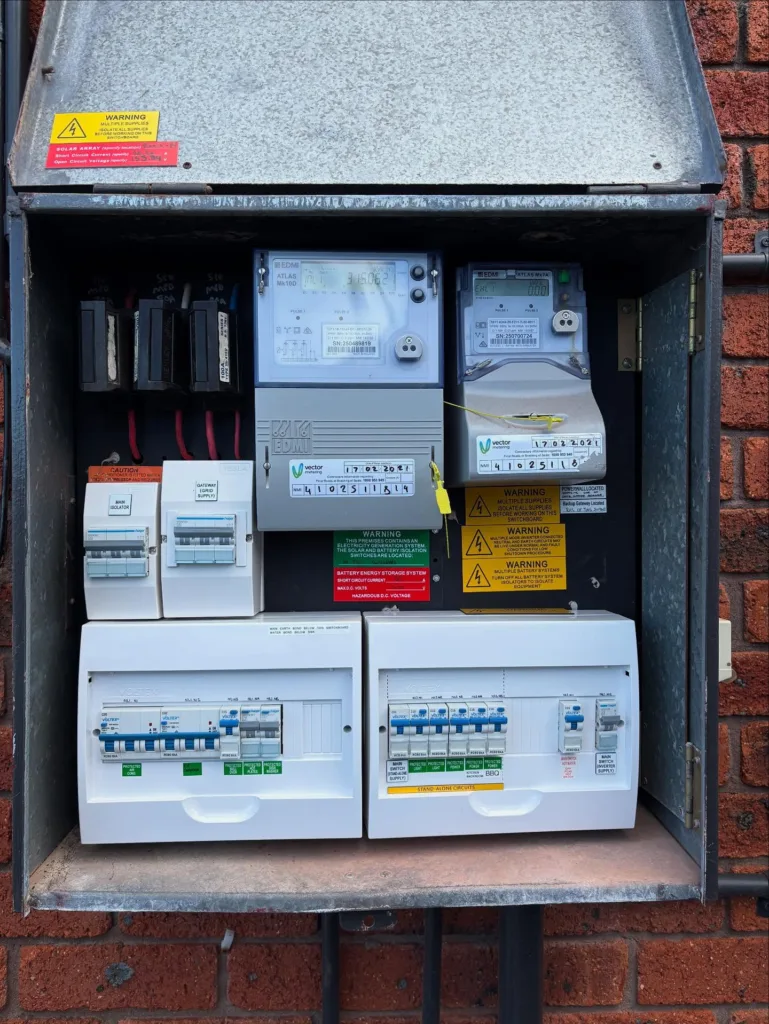
Tax benefits for solar go beyond the widely-known federal credit — depreciation options for businesses, state-level credits, and property tax treatment all factor into the real tax picture.
Table of Contents
- Federal Tax Credit Basics
- Business Depreciation Benefits
- Tax Benefits at a Glance
- Property Tax Treatment
- Frequently Asked Questions
Federal Tax Credit Basics
The federal residential clean energy tax credit reduces your tax liability dollar-for-dollar based on a percentage of total system cost, applying to solar, battery storage, and several related home improvements. It’s claimed on your federal tax return for the year the system is placed in service.
Business Depreciation Benefits
Businesses installing solar can typically depreciate the system as a capital asset, recovering cost through tax deductions over time — sometimes accelerated through bonus depreciation provisions, which can be combined with the business investment tax credit for a significantly stronger combined tax benefit than residential installations receive.
Tax Benefits at a Glance
| Benefit | Who It Applies To |
|---|---|
| Federal residential tax credit | Homeowners |
| Business depreciation | Businesses/commercial property owners |
| State tax credit (where available) | Residents of specific states |
| Property tax exemption (where available) | Homeowners in qualifying states |
Property Tax Treatment
Solar installations typically increase home value, which could mean higher property tax assessments — but many states specifically exempt solar’s added value from property tax calculation, meaning you get the resale value benefit without the ongoing tax increase. This exemption isn’t universal, so check your specific state’s policy.
Frequently Asked Questions
Is the federal solar tax credit the only tax benefit available?
No, business depreciation, state credits, and property tax exemptions can all add further benefit depending on your situation and location.
Can businesses get bigger tax benefits than homeowners?
Often yes, through combining depreciation with the business investment tax credit — a more powerful combination than the residential credit alone.
Will my property taxes increase because of solar?
Depends on your state — many exempt solar’s added home value from property tax assessment specifically.
Do I need to itemize deductions to claim the solar tax credit?
No, the federal solar tax credit is a credit, not a deduction, and doesn’t require itemizing.
Should I consult a tax professional about solar benefits?
Yes, particularly for business depreciation or combining multiple incentives — the stacking calculations can get genuinely complex.
For the federal credit’s full mechanics, see our solar tax credits guide. For business-specific depreciation detail, see our commercial solar depreciation benefits guide.
Related Posts



Leave a Comment
Your comment will be published after it has been approved. Please send comments that do not contain slang words.