
Solar Tracking Systems
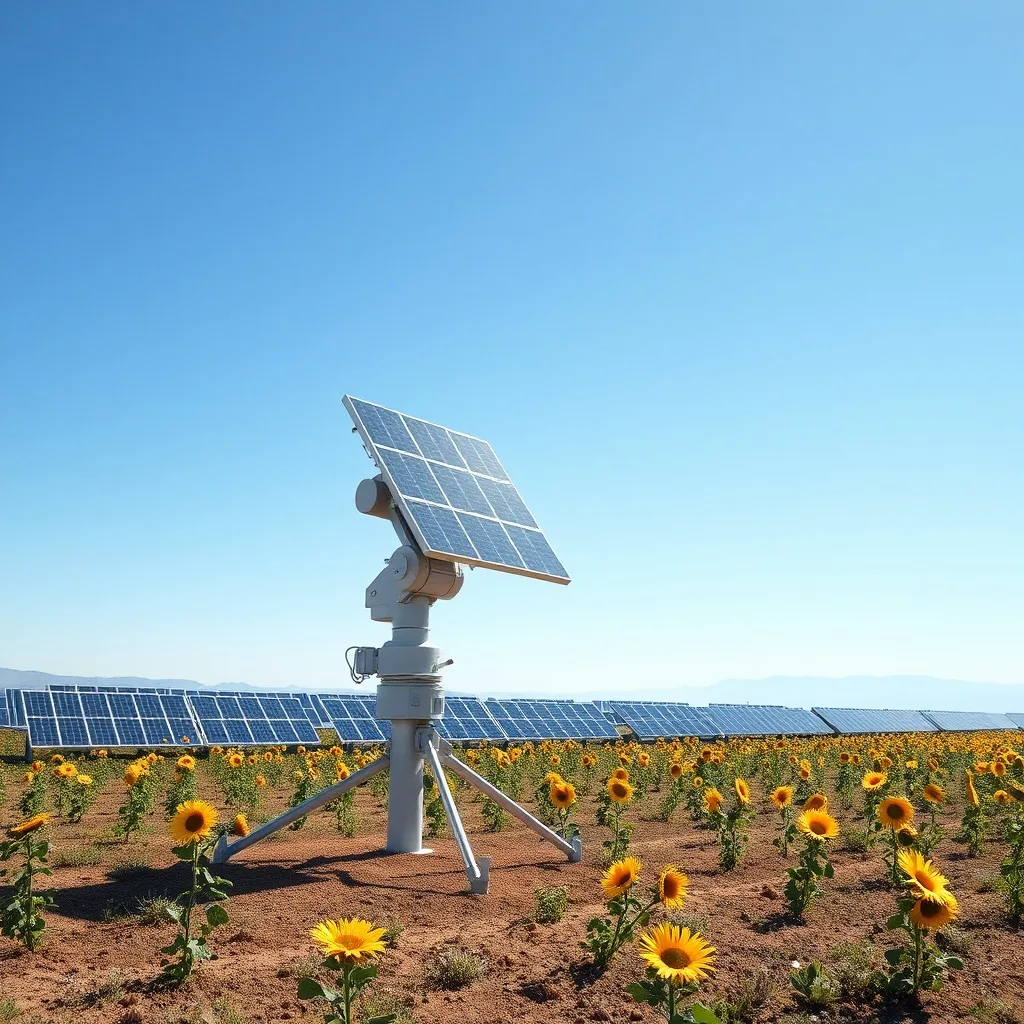
solar trackers are innovative devices that enhance the efficiency of solar panels by orienting them towards the sun’s path throughout the day. By maximizing sunlight exposure, these systems significantly increase energy production from solar panels. This article will delve into the intricacies of solar tracking systems, explaining how they work, their benefits, and their impact in different regions around the world.
How Solar Tracking Systems Work
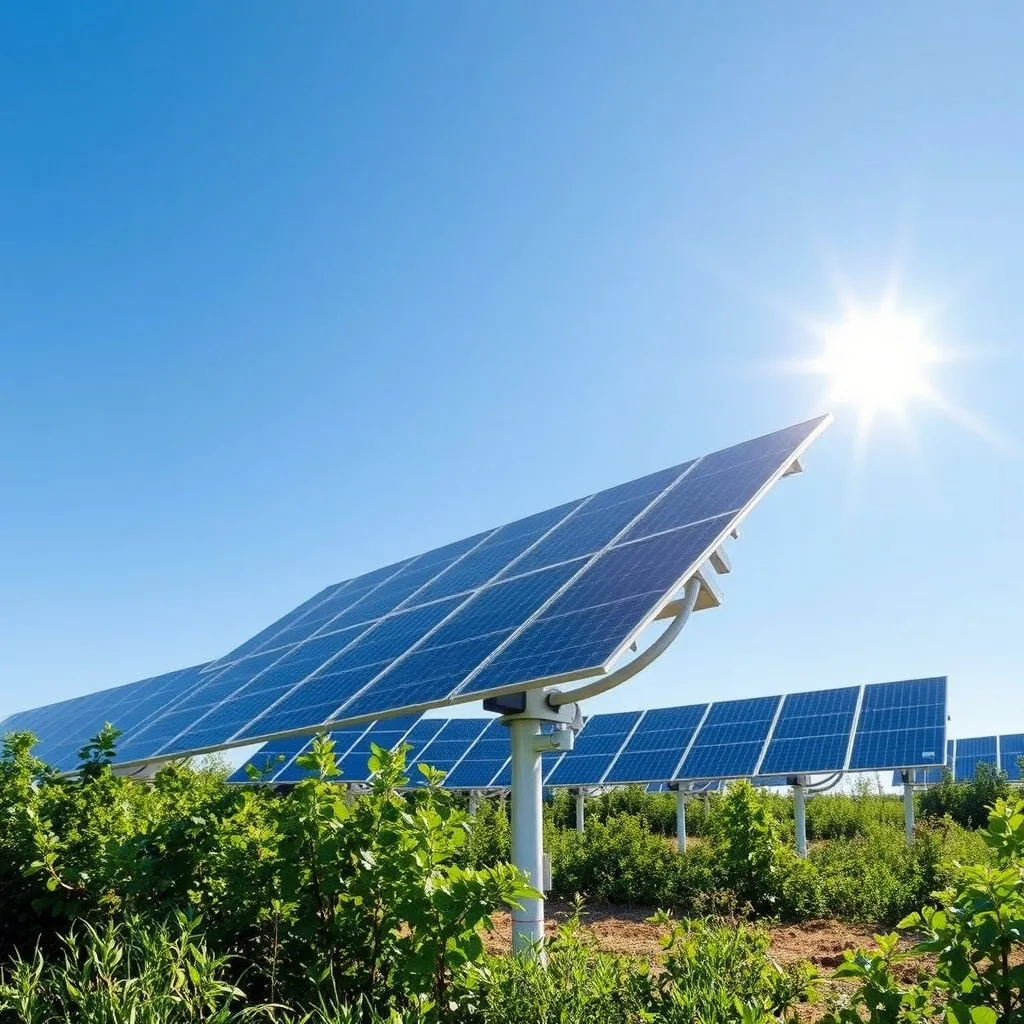
Solar tracking systems utilize sensors and motors to adjust the position of solar panels, ensuring they face the sun throughout the day. This dynamic movement optimizes sunlight capture, increasing energy output by up to 25% compared to fixed panels.
- Single-axis systems track the sun’s east-west movement.
- Dual-axis systems also account for the sun’s seasonal variation.
- Backtracking systems adjust panel angles to prevent shading.
- Solar inverters play a crucial role in converting the generated DC power into usable AC electricity.
Types of Solar Tracking Systems
There are various types of solar tracking systems, each designed to suit different applications and locations. Common types include:
- Active trackers that use motors and gears for movement.
- Passive trackers that rely on thermal expansion to adjust panel angles.
- Dual-axis trackers that offer the highest efficiency but come at a higher cost.
- Seasonal tilt trackers that optimize panel angles based on the sun’s position throughout the year.
| Types of solar trackers | Description |
|---|---|
| Active Trackers | Utilize motors and gears for movement |
| Passive Trackers | Rely on thermal expansion for adjustment |
| Dual-axis Trackers | Offer high efficiency but higher cost |
| Seasonal Tilt Trackers | Optimize panel angles based on sun’s position |
Benefits of Solar Tracking Systems
The advantages of solar trackers include:
- Increased energy production and efficiency.
- Optimal use of available sunlight throughout the day.
- Enhanced performance in regions with variable weather patterns.
- Improved grid stability and reduced reliance on fossil fuels.
Improving Energy Efficiency with Solar Tracking
Solar tracking systems play a crucial role in enhancing the energy efficiency of solar power generation. By dynamically adjusting panel angles, these systems ensure maximum sunlight exposure, leading to higher energy output.
Applications of Solar Tracking Systems
Solar tracking systems find applications in various sectors, including:
- Utility-scale solar power plants.
- Commercial and industrial rooftops.
- Residential solar installations.
- Energy storage systems that complement solar generation.
Solar Tracking Systems Across Different Regions
- US: Solar tracking systems are widely used in the sunny regions of the Southwest for increased energy production.
- EU: Countries like Spain and Germany leverage solar tracking technology to boost renewable energy output.
- China: Rapid expansion of solar trackers in China supports the country’s clean energy goals.
- India: Solar tracking systems are gaining popularity in India to harness solar potential efficiently.
Cost Considerations and Return on Investment
While the initial investment for solar trackers can be higher than fixed panels, the increased energy production and efficiency lead to a quicker return on investment. Factors such as system size, location, and available incentives impact the overall cost.
Do Solar Tracking Systems Pay Off in 2026?
The economics have split cleanly by market segment, and the numbers explain why.
Utility scale: trackers won. Single-axis trackers ship on the large majority of new U.S. ground-mount capacity because a 15–25% energy gain outweighs roughly 10–15% extra capital cost at that scale. Tracker hardware, installation labor and land-grading data are tracked annually in the NREL cost benchmark, and the gain compounds where afternoon electricity prices peak.
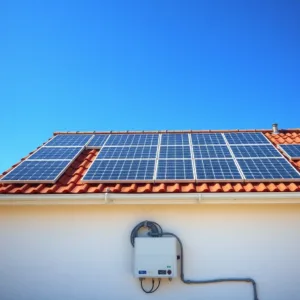
Residential rooftops: trackers lost. Panel prices fell so far that adding two or three fixed panels is cheaper than motorizing any of them. Moving parts on a roof also mean wind loading, penetrations and maintenance visits that flat mounts avoid entirely.
The middle ground. Ground-mounted home and farm arrays with open land can still justify solar tracking systems where land is tight relative to energy needs — a pole-mount dual-axis unit produces the most energy from the smallest footprint, at the price of the most maintenance. Agrivoltaic projects add a twist: trackers that tilt panels to manage crop shading, a use case profiled by the U.S. Department of Energy’s solar office.
A simple decision rule holds up well: if your array sits on a roof, buy more panels; if it sits on the ground at scale, price single-axis solar tracking systems; and if land is genuinely scarce, run the dual-axis math before committing.
Future Trends in Solar Tracking Technology
Advancements in solar tracking technology are focused on improving accuracy, durability, and affordability. Emerging trends include:
- Integration of AI and IoT for smart tracking capabilities.
- Development of lightweight and durable tracking components.
- Enhanced weather forecasting for optimized tracking algorithms.
- Solar technology trends shaping the future of solar tracking systems.
Frequently Asked Questions
How much more energy can solar trackers generate?
Solar tracking systems can increase energy production by up to 25% compared to fixed panels, depending on the system type and location.
Do solar trackers require additional maintenance?
While solar tracking systems may have more moving parts than fixed panels, regular maintenance is essential to ensure optimal performance and longevity.
Are solar trackers suitable for residential installations?
Yes, solar tracking systems can be used in residential settings to maximize energy production, especially in locations with ample sunlight exposure.
How do solar trackers contribute to reducing carbon emissions?
By generating clean, renewable energy efficiently, solar tracking systems help reduce reliance on fossil fuels and lower carbon emissions, contributing to a greener environment.
How much maintenance do solar tracking systems need?
Plan on an annual inspection of motors, gearboxes and fasteners, plus lubrication on the schedule the manufacturer specifies. Utility fleets budget roughly 1–2% of tracker capital cost per year for upkeep; a stalled tracker defaults to a fixed tilt, so failures cost yield rather than causing outages.
Do trackers work in high winds?
Modern solar tracking systems include a wind-stow mode that flattens panels when gusts exceed a set threshold, protecting the array at the cost of a brief production dip. Stow settings are one of the specs worth comparing between tracker brands in storm-prone regions.
This is covered separately in our solar mounting systems guide.
Related Posts

Leave a Comment
Your comment will be published after it has been approved. Please send comments that do not contain slang words.