
Utility-Scale Solar: The Complete Topic Guide
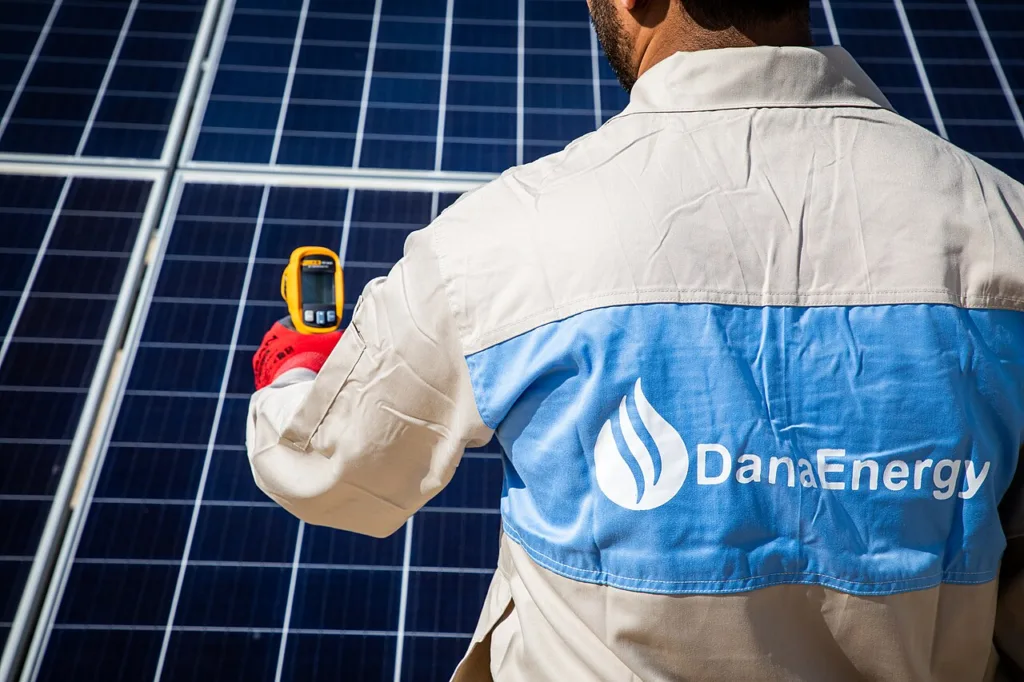
Start here. This is the map to all 34 of our utility-scale guides, written for developers, landowners and anyone tracking where grid-scale solar is going. If you own land a developer has approached, start with lease rates per acre. If you are following a project through, read the development lifecycle section in order.
On this page
- Development lifecycle
- Which guide fits you
- Grid and interconnection
- Financing and returns
- Land and environment
- Emerging models
- Scale and comparisons
- FAQ
Development lifecycle
A utility-scale project runs from land control through permitting and interconnection to construction. Interconnection, not construction, is usually the critical path.
- Solar farm development — the full sequence from site search to operation
- Permitting process — zoning, environmental review and local approvals
- Construction timeline — what happens month by month
- How projects are built — the practical build sequence
- How utility-scale projects work — the model explained from the top
- Land requirements — acreage, row spacing and buildable area
Which guide fits you
| Situation | Read this first |
|---|---|
| A developer approached you about your land | Lease rates per acre |
| Evaluating a project as an investment | Solar farm ROI |
| Wondering why a project stalled | Grid interconnection |
| You farm the land in question | Agrivoltaics |
| You want solar but cannot host it | Community solar |
| Comparing technologies | Solar vs wind |
| Buying power as a business | Corporate PPAs |
Grid and interconnection
The queue is the single biggest constraint on utility-scale solar in most markets.
- Grid connection — how a project physically and contractually connects
- Interconnection — studies, upgrades and queue position
- Grid integration — what large solar does to the network
- Challenges — the recurring obstacles across markets
Financing and returns
- Solar farm ROI — the return model and its sensitivities
- Solar farm investment — how investors evaluate a project
- Financing — capital structures used at this scale
- Cost per watt — current build costs and what drives them
- Tax credits — the incentives that shape project economics
- PPA agreements — the contract that underwrites most projects
- Lease rates per acre — what landowners are paid, and why offers differ so much
- Corporate power agreements — how companies buy directly from projects
- Corporate green tariffs — utility programmes for large buyers
- Economic impact — what a project means for a local area
Land and environment
- Agrivoltaics — farming and generating on the same land
- Environmental impact — habitat, water, soil and decommissioning
- Solar canopies — building on land already paved
Emerging models
- Community solar — subscribing to a share of a project you do not own
- Virtual power plants — aggregating distributed systems into a grid resource
- Mini-grids — serving communities beyond the main network
- Utility-scale storage — the pairing that makes solar dispatchable
- Blockchain energy trading — pilot-stage, and clearly labelled as such
- Space-based solar — experimental, with an honest assessment of where it stands
Scale and comparisons
- Utility-scale solar guide — the complete overview
- Seven essential insights — the points that most often surprise newcomers
- Large-scale solar energy — the category explained
- Largest solar farms — the biggest projects operating today
- Solar vs wind at scale — how the two technologies compare on cost and profile
FAQ
How much land does a solar farm need?
Roughly five to ten acres per megawatt depending on technology and terrain, plus setbacks and row spacing.
What do solar farms pay landowners?
Reported rates vary widely and are driven mainly by proximity to a substation with available capacity, not by soil quality.
Why do projects take so long?
Interconnection queues. Studies and network upgrades commonly add years before construction can start.
Can I farm land under solar panels?
Sometimes, under agrivoltaic designs allowing grazing or certain crops. It must be written into the lease.
What happens at the end of a project?
Decommissioning obligations should require removal and restoration, backed by a bond or escrow rather than a promise.
Is community solar the same thing?
No. Community solar lets you subscribe to a share of a project’s output without hosting or owning equipment.
More
Browse the full Utility Scale Solar category. For residential topics, see the costs and incentives guide.
Land-use and market research is published by the National Renewable Energy Laboratory, with generation data from the U.S. Energy Information Administration.
Related Posts
Leave a Comment
Your comment will be published after it has been approved. Please send comments that do not contain slang words.