
How utility scale projects work
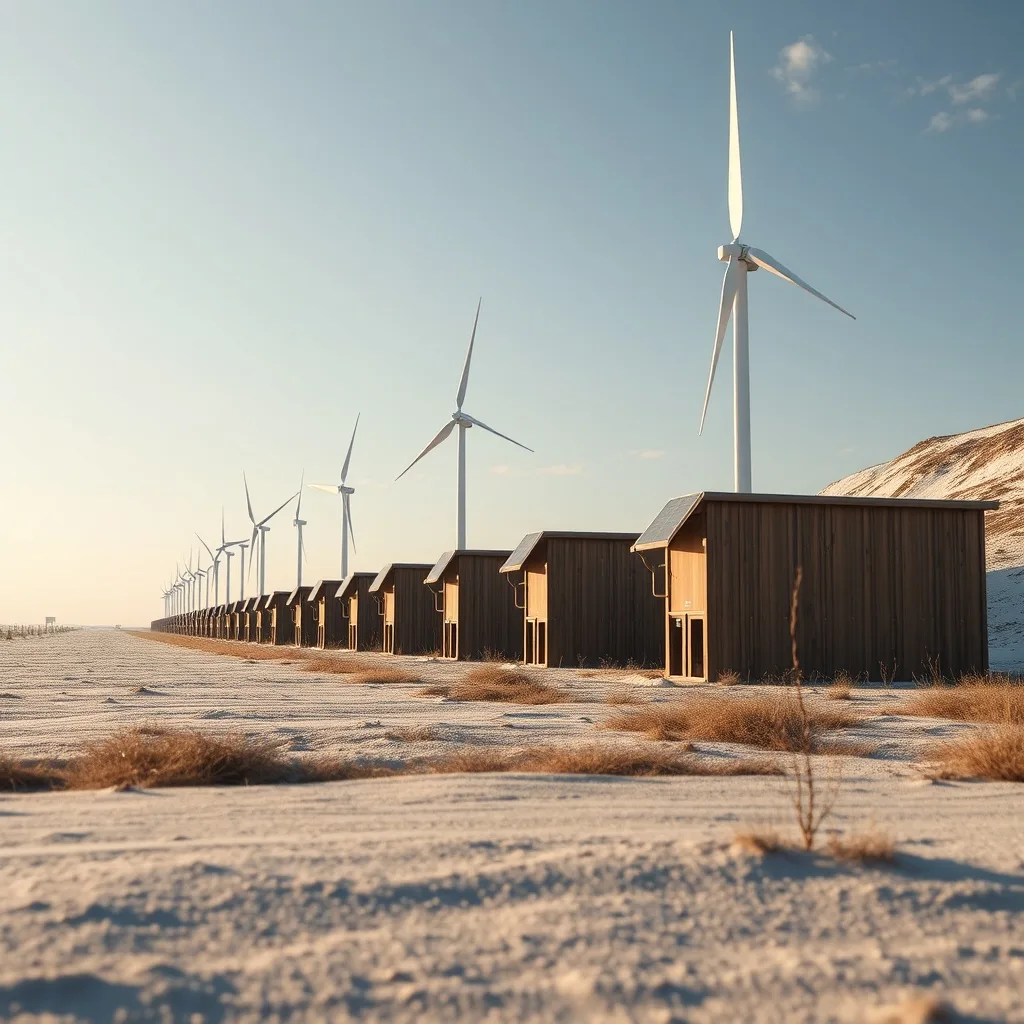
Utility-scale solar projects move through a long, structured process from initial site selection to commercial operation — often 3-5 years total, far longer than a residential installation.
Table of Contents
- The Major Project Phases
- Timeline at a Glance
- Who’s Actually Involved
- Why It Takes So Long
- Frequently Asked Questions
The Major Project Phases
A utility-scale project moves through site identification and land control, interconnection study and utility approval, permitting and environmental review, financing close, construction, and finally commissioning. Each phase has its own gatekeepers and can stall independently, which is why total project timelines vary so widely.
Timeline at a Glance
| Phase | Typical Duration |
|---|---|
| Site selection & land control | 6-18 months |
| Interconnection study | 1-3+ years, highly variable by region |
| Permitting & environmental review | 6 months-2 years |
| Construction | 6-18 months depending on size |
Who’s Actually Involved
A typical project involves the developer (project origination and management), landowners, the utility or grid operator (interconnection), local permitting authorities, an EPC contractor (engineering, procurement, construction), and financial investors or lenders. Coordinating this many stakeholders is a major reason projects take years, not months.
Why It Takes So Long
Interconnection queues — the process of studying grid impact and securing a connection point — have become the single biggest bottleneck in many regions as renewable development has accelerated, often taking longer than permitting or construction combined. This queue delay is a well-documented industry-wide challenge, not specific to any one project or developer.
Frequently Asked Questions
How long does a utility-scale solar project take start to finish?
Typically 3-5 years from initial development to commercial operation, sometimes longer.
What’s the biggest bottleneck in project timelines?
Interconnection queue delays have become the dominant bottleneck in many regions as renewable development volume has grown.
Who actually builds a utility-scale solar farm?
An EPC (engineering, procurement, construction) contractor typically handles physical construction under the developer’s oversight.
Can a project fail partway through development?
Yes, projects can stall or be canceled at any phase — interconnection, permitting, or financing challenges are common reasons.
Do utility-scale projects need government approval?
Yes, permitting and often environmental review from relevant local/state/federal authorities is required.
For the financial side of these projects, see our utility-scale solar financing guide. For the grid connection process specifically, see our solar farm grid connection guide.
There is more detail on this in our utility-scale solar guide.
Related Posts
Leave a Comment
Your comment will be published after it has been approved. Please send comments that do not contain slang words.