
Solar panel durability guide
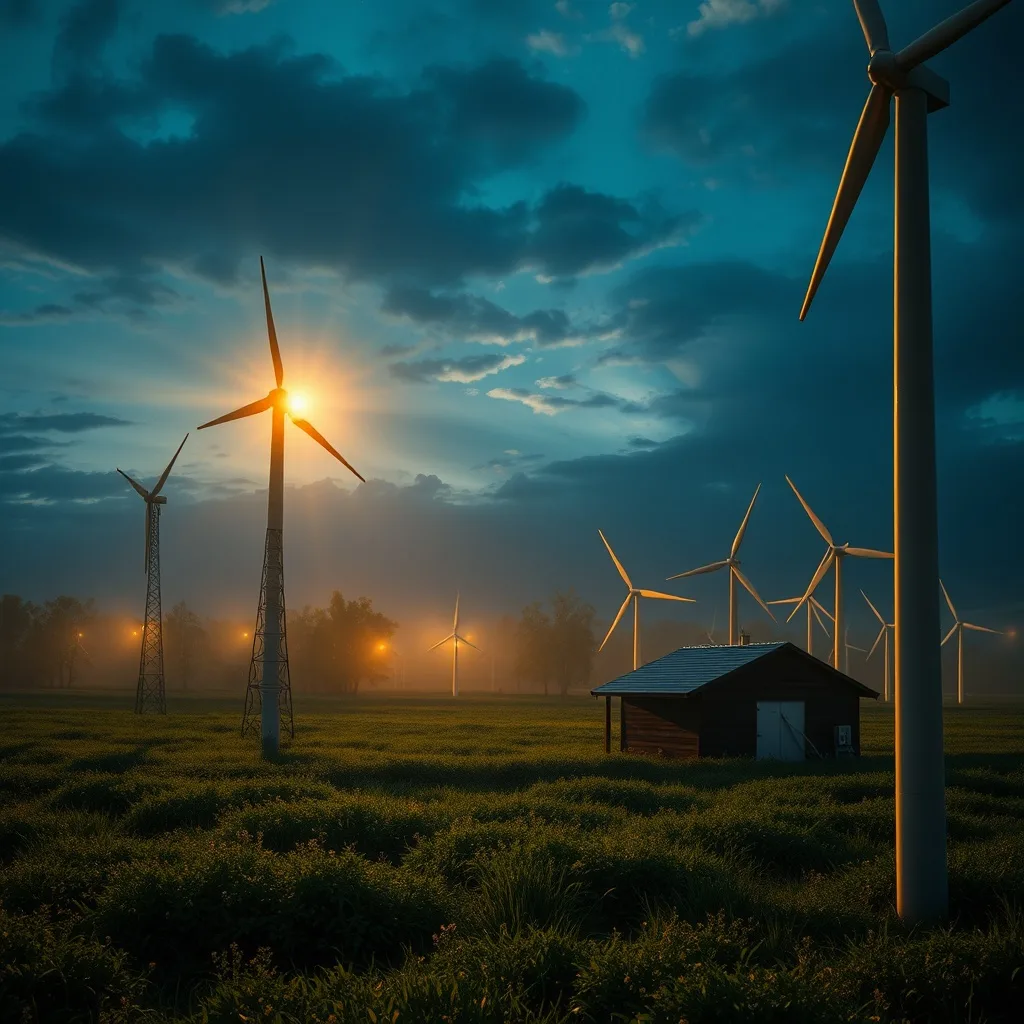
Solar panel durability is engineered around decades of real-world weather stress — understanding what panels are actually built to withstand helps set realistic expectations for your specific climate.
Table of Contents
- What Panels Are Built to Withstand
- Certification and Testing Standards
- Durability Ratings at a Glance
- Real-World Factors That Matter
- Frequently Asked Questions
What Panels Are Built to Withstand
Standard panels are certified to handle hail up to roughly 1 inch in diameter at highway speeds, wind loads matching regional building codes, and snow loads specified by their mounting engineering. Temperature cycling from freezing nights to hot days, repeated over decades, is also part of standard durability testing.
Certification and Testing Standards
IEC 61215 covers design qualification and type approval, testing panels through simulated decades of thermal cycling, mechanical load, and humidity-freeze cycles before certification. IEC 61730 covers safety qualification specifically. These aren’t marketing claims — they’re standardized, independently verified test protocols.
Durability Ratings at a Glance
| Stress Factor | Standard Rating |
|---|---|
| Hail impact | ~1 inch diameter at highway speed |
| Wind load | Matches regional building code, per mounting design |
| Temperature range | Typically -40°C to 85°C operational |
| Certification testing | IEC 61215/61730 standard protocols |
Real-World Factors That Matter
Installation quality affects durability as much as panel specs — a panel improperly mounted or with inadequate structural support underperforms its rated durability regardless of the panel itself being well-built. Regular inspection catches developing issues (cracked glass, loose mounting) before they become larger problems, extending real-world service life.
Frequently Asked Questions
How durable are solar panels really?
Certified to withstand significant hail, wind, and temperature stress through standardized IEC testing protocols, not just marketing claims.
What certification should I look for?
IEC 61215 (design/performance) and IEC 61730 (safety) are the standard certifications worth confirming.
Does installation quality affect durability?
Yes, significantly — even a well-built panel underperforms its rated durability if improperly mounted.
How long do panels typically remain durable/functional?
Most are warrantied 25-30 years, with many continuing to function beyond that at reduced efficiency.
Should I worry about extreme weather in my area?
Discuss your specific climate with your installer to confirm hardware and panel selection match local extreme-weather risk.
For hail-specific damage guidance, see our solar panel hail damage guide. For cold-climate specifics, see our cold climate solar panels guide.
Storm survival depends on the attachments, as explained in hurricane-rated solar panels.
Related Posts

Leave a Comment
Your comment will be published after it has been approved. Please send comments that do not contain slang words.