
Best Hybrid Solar Inverter
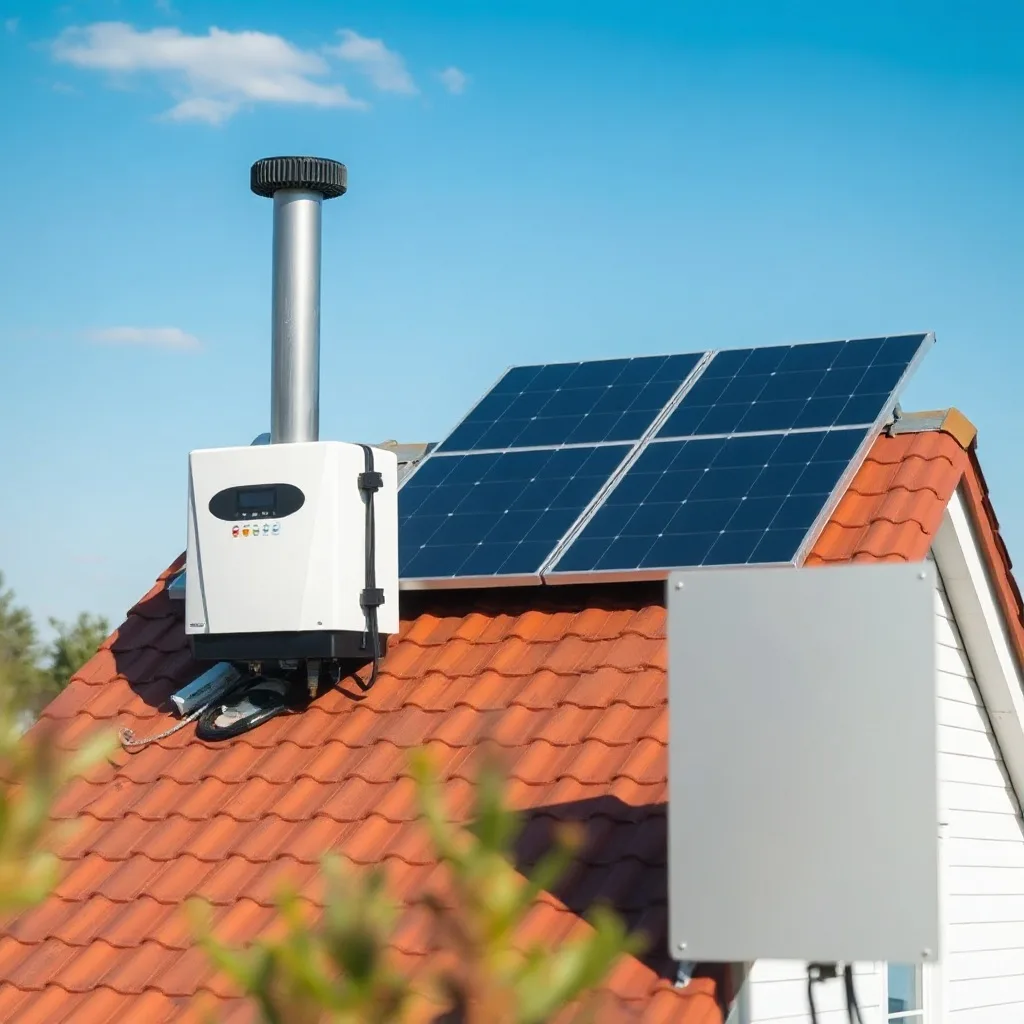
The best hybrid solar inverter for a given home matches its output class to your roof and load. It also supports the battery chemistry and voltage window you plan to install, now or later, and carries the certifications your utility and local code require. Since 2024, hybrid units have become the default choice for new solar-plus-storage installs across the US, EU, and Australia. They combine the grid-tied inverter and the battery inverter/charger into a single box. This cuts installation cost, wiring complexity, and points of failure compared with running two separate inverters.
This guide covers what actually separates a strong hybrid inverter from a mediocre one, the output classes worth knowing before you shop, realistic 2026 pricing, and the mistakes that generate the most callbacks after installation.
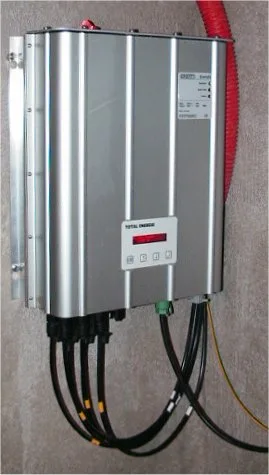
Table of Contents
- What Is a Hybrid Solar Inverter?
- How do hybrid solar inverters work?
- What size hybrid inverter do I need?
- What specs matter in a hybrid inverter?
- Which hybrid inverter brands are popular?
- Which battery chemistries work with hybrid inverters?
- Off-Grid-Capable vs. Grid-Tied-Only
- What are the benefits of a hybrid inverter?
- Factors to Consider When Choosing One
- Installation and Maintenance
- Cost in 2026
- What operating conditions can a hybrid inverter handle?
- How do hybrid inverters compare in the US, EU, and China?
- Common Buying Mistakes
- Frequently Asked Questions
What Is a Hybrid Solar Inverter?
A hybrid solar inverter, also called a multi-mode or all-in-one inverter, does two jobs a standard grid-tie inverter cannot. It converts DC electricity from your solar array into AC power for the home. It also manages a connected battery, deciding in real time whether to charge it, discharge it, or pass power straight through to the grid. Standard string inverters need a separate battery-based inverter/charger bolted on afterward if you want storage. A hybrid unit is designed for storage from day one — that’s why it’s the standard recommendation whenever a battery is part of the plan, even if the battery gets added a year or two later.
How do hybrid solar inverters work?
Hybrid solar inverters are designed to intelligently manage energy flow within a solar power system. When sunlight is available, they convert DC electricity generated by solar panels into usable AC power for immediate consumption by household appliances. At the same time, any surplus energy is stored in connected batteries for later use when solar production is low or during grid outages.
- Efficiently converts DC electricity to AC
- Stores excess energy in batteries
- Allows seamless transition between grid-tied and off-grid modes
- Enables monitoring and control of energy usage
For more information on solar inverters, visit solarsunlabs.com.
What size hybrid inverter do I need?
Hybrid inverters are sold in fairly standardized output bands, and matching the band to the home is the single biggest factor in whether the system performs well:
- 3-5kW – small homes (under 1,500 sq ft) or partial backup of a few critical circuits (fridge, wifi, a few outlets).
- 6-8kW – the most common residential class in the US, sized for a typical 2,000-2,800 sq ft home with a mid-size battery (10-15kWh).
- 10-12kW – larger homes, homes with heat pumps or EV charging on the backed-up panel, or households planning to add a second battery.
- 15kW+ / three-phase – large residential, small commercial, or homes in regions (much of the EU, Australia) where three-phase service is standard.
Undersizing the inverter relative to panel capacity — a high DC-to-AC ratio — is normal and often intentional up to a point. Undersizing it relative to household load or backup expectations is different: that’s the mistake that leads to breakers tripping during an outage.
What specs matter in a hybrid inverter?
Two inverters in the same kW class can perform very differently in practice. The specs worth comparing line by line:
- CEC weighted efficiency – look for 97%+; every point below that is energy you paid to generate and lost to heat.
- Total harmonic distortion (THD) – under 3% keeps sensitive electronics and the utility grid happy.
- Battery voltage window – low-voltage designs (48V nominal) are widely compatible but cap total power per battery; high-voltage stacks (200-500V) support larger systems with thinner cabling but lock you into that vendor’s battery line.
- Backup/UPS transfer time – the best hybrid solar inverter designs switch to backup power in under 20 milliseconds (computers and clocks never notice); budget units can take 4-10 seconds, which resets some electronics.
- Max continuous and surge output – surge rating matters for anything with a motor (well pump, AC compressor, garage door).
- Certifications – UL 1741 and IEEE 1547 for grid interconnection are non-negotiable in the US; a paired battery should carry UL 9540 for the system as a whole.
- Warranty length – 10 years is now the realistic benchmark for a quality unit; anything under 5 is a red flag on a component expected to last 15-25 years.
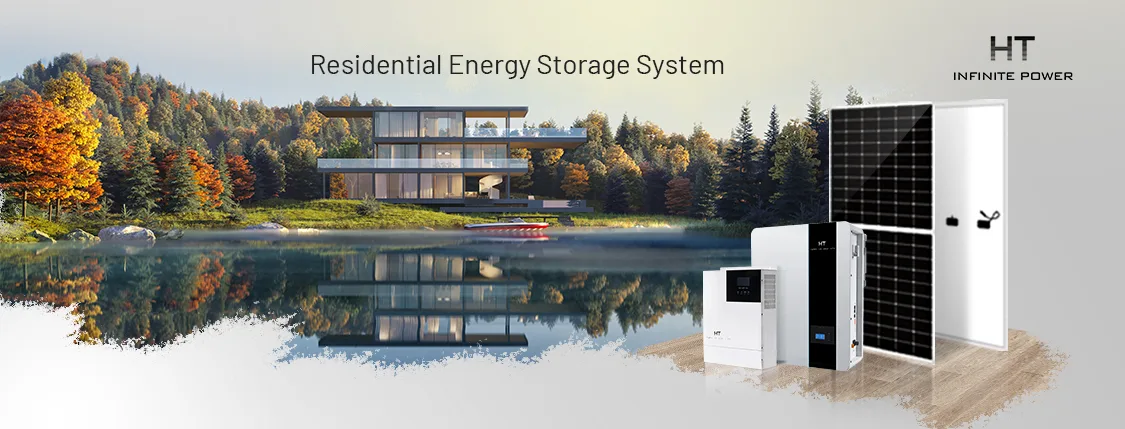
To explore energy storage systems further, visit solarsunlabs.com, and see our breakdown of solar inverter efficiency for how these numbers are measured in practice.
What are the benefits of a hybrid inverter?
Hybrid solar inverters offer several advantages over traditional inverters, making them an ideal choice for homeowners looking to maximize self-consumption and energy independence. Some key benefits include:
- Enhanced energy storage capabilities
- Increased self-consumption of solar energy
- Improved energy efficiency and cost savings
- Backup power during grid outages
How do I choose a hybrid solar inverter?
Beyond the spec sheet, a few practical factors decide whether an installation goes smoothly:
- Single-phase vs. three-phase – match the inverter to your home’s electrical service; this is not optional and not field-convertible.
- Compatibility with existing panels – if you already have solar and are adding storage, confirm the hybrid inverter accepts your panels’ voltage and current, or plan for an AC-coupled retrofit instead.
- Utility interconnection rules – some utilities cap export size or require specific anti-islanding certifications; check before ordering hardware.
- Generator input – useful if you want a backup generator as a second line of defense behind the battery.
- EV charging integration – some newer hybrid inverters can prioritize solar for EV charging or manage bidirectional (V2H) charging directly.
- Manufacturer support and installer network – a great inverter with no local installer familiar with it turns into a slow warranty process.
What installation and maintenance do hybrid inverters need?
Hybrid inverters are more complex to install and commission than standard grid-tie units. The installer has to configure battery communication, backup-circuit panel wiring (often a separate sub-panel for critical loads), and utility-required settings, all at once. Budget for a full day of commissioning on top of the physical mounting and wiring. Once installed, maintenance is mostly passive monitoring through the manufacturer’s app. An annual visual inspection of connections, plus a check of cooling fans and vents on air-cooled units, is enough for most residential systems.
How much does a hybrid solar inverter cost in 2026?
Pricing varies by brand, output class, and region, but as of 2026 the rough US market bands for the inverter hardware alone (excluding the battery and installation labor) are:
- 3-5kW: roughly $1,200-$2,200
- 6-8kW: roughly $2,000-$3,500
- 10-12kW: roughly $3,000-$5,000
- 15kW+ / three-phase: $5,000 and up
Installed system cost (inverter plus battery plus labor) typically runs several times the inverter price alone. Get itemized quotes so you can compare inverter selection independently of battery brand markup.
How do hybrid inverters compare in the US, EU, and China?
The US market leans toward high-voltage battery-stack hybrid inverters paired with UL 9540-listed batteries and a dedicated critical-loads sub-panel. This reflects stricter interconnection and backup-power code requirements. The EU market, especially Germany and the Netherlands, has the deepest hybrid inverter selection globally, with strong low-voltage 48V options driven by early and sustained residential storage adoption. Chinese manufacturers dominate global hybrid inverter production and tend to lead on price-per-kW. Brand support and local installer familiarity outside China can vary more, though, compared with US- or EU-headquartered brands.
What operating conditions can a hybrid inverter handle?
Hybrid inverters are typically rated for outdoor installation, but they perform best – and last longest – when shaded from direct afternoon sun and mounted somewhere with airflow around the enclosure. A north-facing exterior wall or a garage is usually preferable to a south-facing wall in hot climates. Most units are rated for continuous operation between roughly -25C and 60C (-13F to 140F). Output gets automatically throttled if internal temperatures climb too high. In consistently hot climates – the US Southwest, parts of Australia, the Middle East – ask specifically about the derating curve rather than assuming the headline kW rating holds year-round.
What mistakes should I avoid when buying a hybrid inverter?
- Buying the inverter before confirming utility interconnection rules – can force an expensive swap later.
- Ignoring backup transfer time – a 5-second transfer is fine for a fridge, annoying for a home office.
- Mismatching battery voltage window – locks you out of adding a second battery from a different brand later.
- Skipping the surge rating check – a well pump or AC compressor can trip an undersized inverter on startup even though average load is well within spec.
- Choosing purely on price – the cheapest hybrid inverter in a given kW class is often the one with the shortest warranty and thinnest installer network.
Frequently Asked Questions
What makes an inverter “hybrid” instead of just a regular solar inverter?
A hybrid inverter has a built-in battery inverter/charger and the control logic to manage solar, battery, and grid power together. A standard grid-tie inverter only handles solar-to-grid conversion and needs an additional inverter added later to support a battery.
Can I add a hybrid inverter to an existing solar system?
Yes, but compatibility with your existing panels and any current inverter needs to be checked. Many installers use an AC-coupled hybrid inverter for retrofits rather than replacing the original string inverter.
Do hybrid inverters work during a power outage?
Yes, provided a battery is connected and the backup/critical-loads circuit is wired correctly – this is one of the main reasons homeowners choose a hybrid inverter over a grid-tie-only unit.
How long do hybrid solar inverters last?
Most are rated for 10-15 years of continuous operation, with some premium units warrantied to 12 years. This is shorter than the 25-year panel warranty typical for the array itself, so budget for one inverter replacement over the system’s life.
Is a bigger hybrid inverter always better?
No – oversizing adds cost without benefit if it exceeds both your panel output and realistic backup load. Size to your household’s actual and planned future load, not to the largest available unit.
What is the difference between a hybrid inverter and adding a separate battery inverter later?
A hybrid inverter is designed as one integrated unit from the start. That usually means lower total hardware cost and a single point of monitoring. Adding a separate battery inverter to an existing grid-tie inverter later (AC coupling) is more flexible if you’re not ready to commit to a battery yet. But it typically costs more in total hardware and installation labor than buying a hybrid unit upfront, if storage is part of the plan either way.
Do I need a permit or utility approval for a hybrid inverter?
In most US jurisdictions, yes. A hybrid inverter with battery backup still requires an interconnection application, an electrical permit, and in many cases a separate permit for the battery under fire code. Timelines vary widely by utility and city, so budget several weeks for approval on top of installation time.
Conclusion
The best hybrid solar inverter for your home is the one sized correctly to your panels and backup load, certified for your utility’s interconnection rules, and backed by a warranty and installer network you can actually use. Compare CEC efficiency, backup transfer time, and battery voltage compatibility line by line rather than shopping on brand name or price alone – those three specs explain most of the difference in real-world performance between otherwise similar-looking units. For a deeper look at specific brands, see our best solar inverter brands comparison, and if sizing is still unclear, our guide to solar inverter sizing mistakes covers the most common errors in detail.
Further reading: U.S. Department of Energy – Solar Integration: Inverters and Grid Services Basics, Wikipedia – Solar inverter, and Wikipedia – Grid energy storage.
Which hybrid inverter brands are popular?
No single brand is objectively “best” for every home. The right pick depends on your battery choice, phase requirements, and installer network. A handful of names do come up repeatedly across US, EU, and Australian installations, though, and knowing their general positioning helps frame quotes:
- Sol-Ark – US-focused, high surge capacity, popular for off-grid and backup-heavy installs; strong reputation for handling well pumps and HVAC startup loads.
- SMA Sunny Boy Storage – German engineering, widely available in the EU and US, known for conservative, well-documented efficiency ratings.
- Schneider Electric Conext XW+ – built for heavier off-grid and hybrid duty, common in larger residential and light-commercial systems.
- SolarEdge Home Hub – pairs tightly with SolarEdge power optimizers, popular where panel-level monitoring is already part of the system design.
- Enphase IQ System – microinverter-based rather than a single central hybrid unit; AC-coupled battery integration instead of DC-coupled, which changes the efficiency and wiring tradeoffs discussed above.
- Growatt and Deye – China-manufactured, generally the most price-competitive per kW, with rapidly improving warranty terms and a growing installer base outside China.
- Victron Energy MultiPlus – favored in off-grid, marine, and RV-adjacent installs for its modularity and mature ecosystem of monitoring and automation add-ons.
Ask any installer quoting a specific brand for the CEC efficiency figure, backup transfer time, and warranty length side by side with at least one alternative – the spec comparison from the section above applies regardless of brand name.
Which battery chemistries work with hybrid inverters?
Not every hybrid inverter supports every battery chemistry. Getting this wrong is one of the more expensive mistakes in a storage-ready purchase. Lithium iron phosphate (LFP/LiFePO4) batteries are now the default choice for new residential storage, thanks to their thermal stability and cycle life. Most current-generation hybrid inverters are tuned for LFP’s voltage curve out of the box. Older or budget inverters designed around NMC (nickel manganese cobalt) chemistry can still charge an LFP battery, but often not at the rate the battery is rated for. That quietly shortens both charge speed and long-term capacity. If you’re buying the inverter and battery separately rather than as a matched kit, confirm the exact chemistry and voltage window in writing before ordering – our solar battery chemistry comparison covers the tradeoffs between LFP, NMC, lead-acid, and sodium-ion in more depth.
What is the difference between off-grid and grid-tied hybrid inverters?
Not all hybrid inverters are built to run a home fully disconnected from the grid indefinitely. Many are “backup-capable” rather than true off-grid units – they can power critical circuits for hours to a few days from the battery, but they aren’t designed as the sole, permanent power source the way a dedicated off-grid inverter is. If the goal is occasional storm-outage backup, a standard hybrid inverter with a critical-loads sub-panel is sufficient and considerably cheaper. If the goal is a genuine off-grid cabin or property with no utility connection at all, look specifically for inverters rated for continuous off-grid duty, with generator-start integration and a wider battery bank capacity – our off-grid solar system guide walks through that sizing process separately, since it differs meaningfully from a grid-tied backup setup.
We take this further in our solar inverter noise problem guide.
Related Posts

Leave a Comment
Your comment will be published after it has been approved. Please send comments that do not contain slang words.