
Solar Inverter Sizing Mistakes
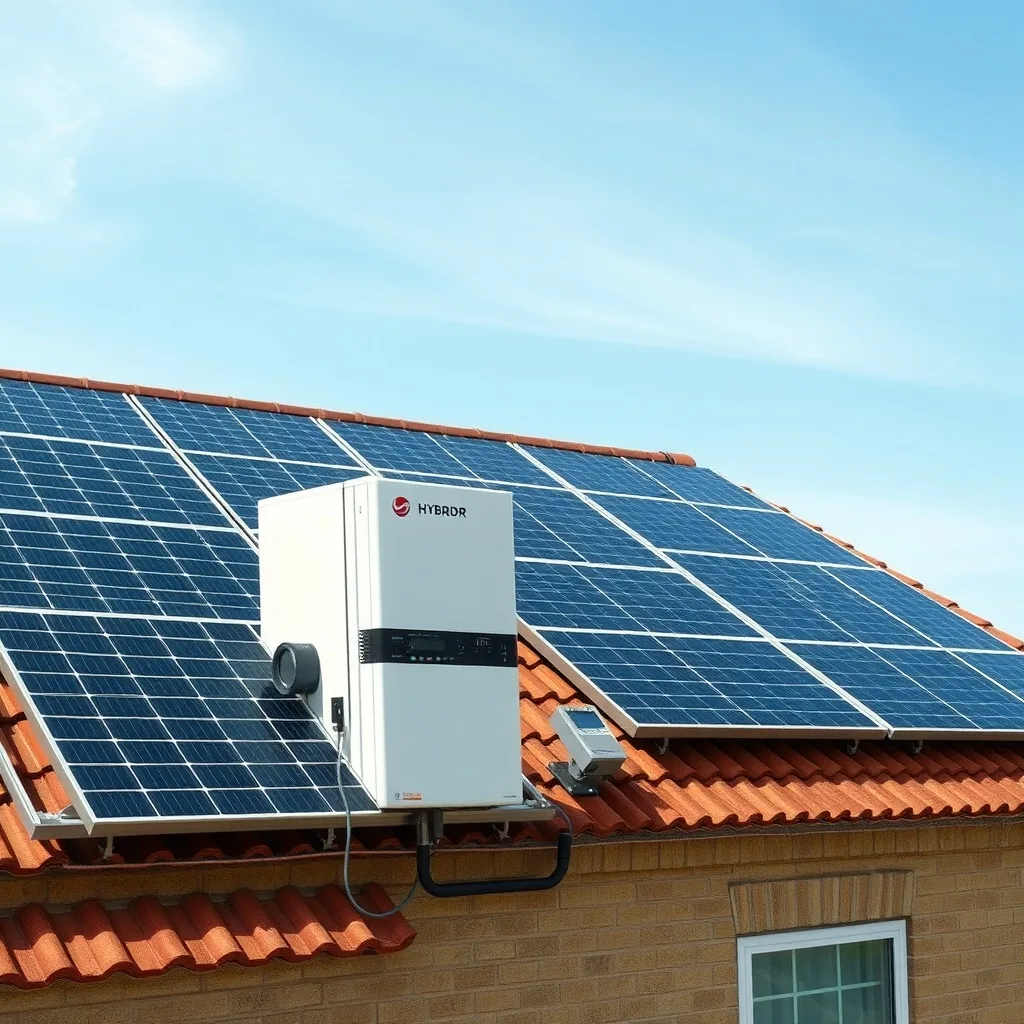
Short answer: A modest DC-to-AC ratio above 1.0 is standard practice, not a mistake; the real sizing error is pushing that ratio so far that meaningful production is clipped on the sunniest days. The other frequent mistakes are undersizing the inverter for backup loads and not planning for future additions. Because the inverter is the component you will almost certainly replace during the array’s life, a sizing error can cost you twice.
Sizing a solar inverter wrong is one of the most expensive mistakes in a solar purchase — either wasting money on unused capacity or crippling your system’s real-world performance. The inverter is the one component you are almost guaranteed to replace during the life of the array, so a sizing error can cost you twice. This guide covers the four mistakes that come up most often and how to check an installer’s proposal against them.
Table of Contents
- What is the correct DC-to-AC ratio?
- What are common solar inverter sizing mistakes?
- How do I size an inverter for backup loads?
- Should I oversize my inverter for future expansion?
- Frequently Asked Questions
What is the correct DC-to-AC ratio?
Some undersizing of the inverter relative to panel capacity is normal and often intentional — panels rarely hit their exact rated output simultaneously, so a modest DC-to-AC ratio above 1.0 is standard practice, not a mistake. The real mistake is pushing that ratio too far, clipping meaningful production on the sunniest days of the year.
Why don’t solar panels reach nameplate output?
A panel’s rating is measured under standard test conditions: bright light at a cool 25°C cell temperature. Real roofs are hotter. The U.S. Department of Energy explains in its solar performance and efficiency overview that heat raises a cell’s current slightly but lowers its voltage much more, so output drops as the panel warms. Add dust, wiring losses, and the sun’s angle for most of the day, and a 10 kW array spends most of its life producing well under 10 kW. That is why a 10 kW array on an 8 kW inverter (a 1.25 ratio) usually loses very little.
When does the DC-to-AC ratio go wrong?
Above roughly 1.3, clipping starts to cost real energy on clear spring and autumn days when panels are cool and the sun is high. In hot climates with fixed-tilt roofs, a higher ratio is safer than in a cool, clear mountain climate. The right number depends on your location, so ask the installer to show the modeled clipping loss, not just the ratio. Our solar inverter clipping guide shows what that curve looks like.
What happens if the inverter is too large?
An inverter far larger than the array is also a mistake. Inverters are least efficient at low load. A 10 kW inverter fed by a 4 kW array spends most of its time in the range where a few percent of every watt is lost. You also pay for capacity you never use.
What are common solar inverter sizing mistakes?
| Mistake | Consequence | How to Catch It | Fix |
|---|---|---|---|
| Excessive DC-to-AC ratio | Clipped production on sunny days | Ratio above ~1.3 with no clipping estimate in the proposal | Larger inverter or fewer panels per inverter |
| Inverter far larger than the array | Low-load efficiency losses, wasted cost | Ratio below ~1.0 with no expansion plan | Right-size, or add panels |
| Undersizing for backup circuits | Tripped breakers during outage, appliances won’t start | No load list in the backup design | Size to the backed-up panel, not the whole house |
| Ignoring surge/startup wattage | Motor-driven appliances fail to start despite adequate average capacity | Surge rating missing from the datasheet comparison | Check surge rating against the largest motor load |
| String voltage outside the inverter window | Inverter shuts down on cold mornings or under-produces in heat | No temperature-corrected string calculation | Recalculate string length for local extremes |
| No headroom for future panels/battery | Costly early replacement when expanding the system | Inverter at maximum DC input on day one | Leave 15-25% DC input headroom or choose a hybrid model |
The string-voltage row is the one most homeowners never hear about. Panel voltage rises in cold weather and falls in heat; a string that is too long can exceed the inverter’s input limit on a frosty morning. The solar string sizing guide works through the calculation.
How do I size an inverter for backup loads?
Homeowners often size backup circuits based on average load, forgetting that appliances with motors — well pumps, AC compressors, refrigerators — draw a brief surge well above their running wattage on startup. An inverter that handles average load fine can still trip repeatedly if its surge rating wasn’t checked against your highest-draw appliance specifically.
How do I build a load list for inverter sizing?
Write down every circuit you want powered during an outage. For each, note the running watts from the nameplate and, for anything with a motor or compressor, the startup watts. Startup draw is commonly two to three times running watts for refrigerators and can be higher for well pumps and older air conditioners. The inverter’s continuous rating must cover the running total. Its surge rating must cover the largest single startup on top of whatever else is running at that moment.
Do soft starters help with inverter sizing?
If one appliance drives the surge requirement, a soft-start kit on that unit can cut its startup draw enough to allow a smaller inverter. Load-management relays can also lock out large loads while the system runs on battery. Both cost far less than stepping up an inverter size.
How does battery output limit inverter size?
A hybrid inverter can only deliver what the battery can supply. A 10 kW inverter paired with a battery rated for 5 kW continuous output backs up 5 kW, not 10. Check both ratings, and see the energy storage sizing guide for the battery side.
Should I oversize my inverter for future expansion?
Sizing an inverter exactly to your current panels with zero headroom means any future panel addition or battery expansion likely requires a full inverter replacement rather than a simple addition. A modest amount of extra capacity upfront is usually far cheaper than an early forced replacement later.
What future changes affect inverter sizing?
An electric vehicle, a heat pump, a home battery, or an addition to the house all raise your load. Each is a reason to add panels later. The DOE’s system design basics notes that inverters will need to be replaced at least once in the 25-year life of an array anyway, so the question is whether you want that replacement to happen on your schedule or when you add a battery in year three.
How much inverter headroom do I need?
Leaving 15 to 25 percent of DC input capacity unused on day one costs little and keeps the ratio in the efficient range once panels are added. Choosing a hybrid inverter with a battery port, even if the battery comes later, avoids a second inverter. Microinverter systems sidestep the problem because each panel carries its own; adding panels means adding units. The solar inverters hub compares the architectures.
What should I ask my installer about inverter sizing?
What is the DC-to-AC ratio, and what is the modeled annual clipping loss? What is the surge rating, and which appliance sets it? What are the string voltages at the coldest and hottest expected temperatures? How much DC input headroom is left? A good installer answers all four in a minute. Vague answers are a signal to get another quote.
Frequently Asked Questions
Is a high DC-to-AC ratio always a mistake?
No, moderate oversizing (roughly 1.1-1.3) is standard practice; the mistake is pushing it too far and losing meaningful production.
Why does my inverter trip when I run certain appliances?
Likely an undersized surge rating relative to that appliance’s startup wattage, not average running wattage.
Should I size my inverter for future panel additions?
Yes, if expansion is even a possibility — retrofitting later is usually more expensive than modest upfront headroom.
Can an oversized inverter hurt my system?
Not technically, but it wastes money on unused capacity and runs at lower efficiency when lightly loaded.
Who is responsible for correct inverter sizing?
Your installer, but understanding the basics helps you catch and question an obviously wrong recommendation.
Does the DC-to-AC ratio depend on climate?
Yes. Hot climates tolerate a higher ratio because panels run below rating more often; cool, clear climates clip sooner.
For sizing that also accounts for backup power specifically, see our energy storage sizing guide. For output class basics, see our best hybrid solar inverter guide.
There is more detail on this in our solar inverter types guide. Our how to reset solar inverter guide covers this in more depth.
The underlying voltage calculation is worked through step by step in solar string sizing.
The deliberate oversizing behind this is explained in solar inverter clipping.
Related Posts
Leave a Comment
Your comment will be published after it has been approved. Please send comments that do not contain slang words.