
Solar Inverter for Off Grid System
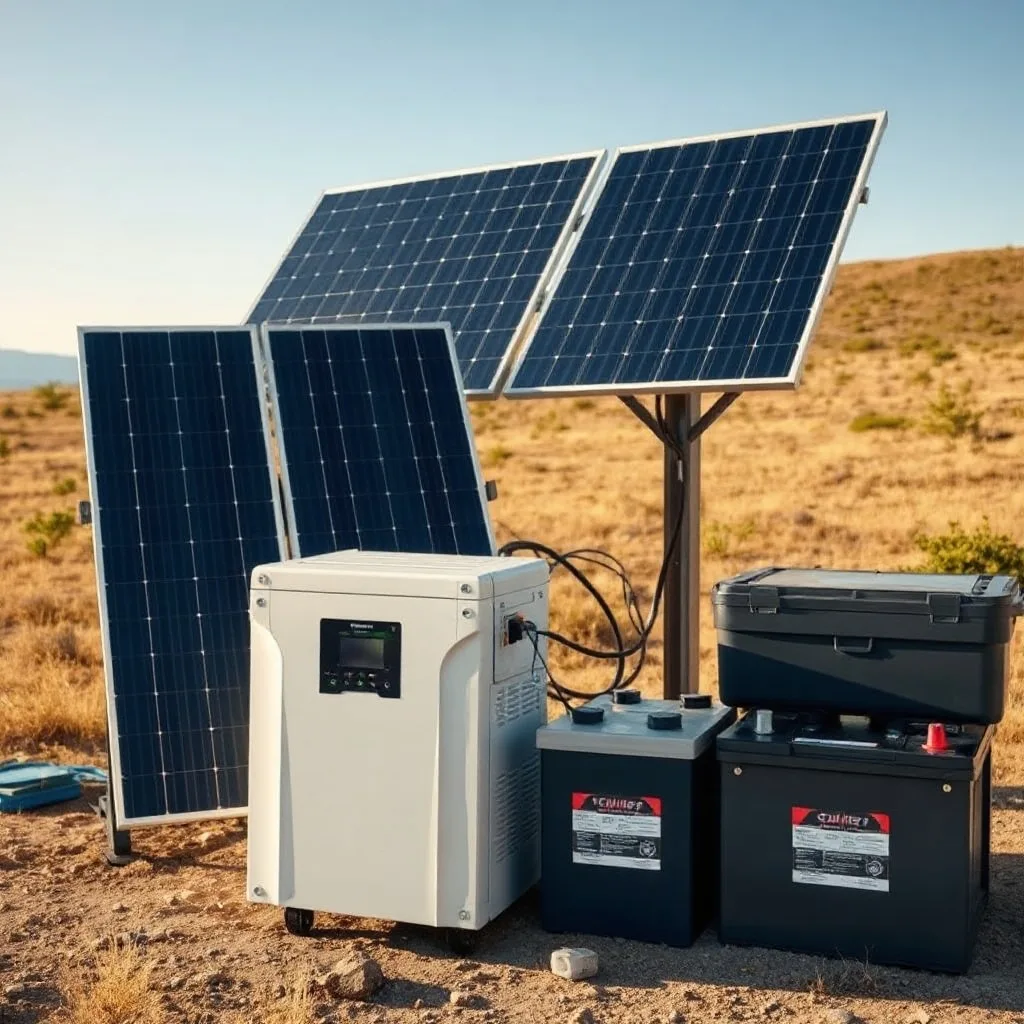
Choosing the right inverter for an off-grid solar system means very different priorities than a grid-tied setup. Grid interconnection features become irrelevant, while surge capacity and battery integration become critical.
Table of Contents
- How do off-grid solar requirements differ?
- What features must an off-grid inverter have?
- What are the key off-grid inverter requirements?
- How do I size an inverter for off-grid use?
- How does generator integration work with off-grid inverters?
- Frequently Asked Questions
How do off-grid solar requirements differ?
A grid-tied inverter is designed to sync with utility power and shuts off without it — completely unsuitable for off-grid use. An off-grid-capable inverter instead generates its own reference sine wave independently, has no grid-interconnection certification requirement, and must handle 100% of the home’s load itself with no grid backup to fall back on.
What features must an off-grid inverter have?
Surge capacity matters far more off-grid than grid-tied, since there’s no grid to help start a well pump or AC compressor — the inverter alone must handle that starting spike. Pure sine wave output (not modified sine wave) is essential for sensitive electronics and many modern appliances. Generator-start integration, letting the inverter automatically start a backup generator when the battery runs low, is standard on quality off-grid units.
What are the key off-grid inverter requirements?
| Requirement | Why It Matters Off-Grid |
|---|---|
| High surge rating | No grid to assist starting high-draw appliances |
| Pure sine wave | Required for sensitive electronics and many appliances |
| Generator-start capability | Automatic backup when battery runs low |
| Wide battery voltage tolerance | Must handle full discharge/charge range reliably |
How do I size an inverter for off-grid use?
Off-grid inverter sizing must account for your single highest simultaneous load plus starting surge — there’s no grid to cover a shortfall. This typically means sizing more conservatively than a grid-tied system, with real headroom above your calculated average load rather than sizing tightly to it.
How does generator integration work with off-grid inverters?
Most genuine off-grid systems pair solar with a backup generator for extended cloudy stretches. A quality off-grid inverter automatically manages this handoff — starting the generator when battery charge drops below a set threshold, and stopping it once the battery recovers — without requiring manual intervention every time.
Frequently Asked Questions
Can I use a grid-tie inverter for an off-grid system?
No, grid-tie inverters require grid synchronization to operate and won’t function without it.
Why does surge capacity matter more off-grid?
Without a grid to help, the inverter alone must handle the brief starting spike of motors and compressors.
Do I need a pure sine wave inverter off-grid?
Yes, for reliable operation of sensitive electronics and many modern appliances.
Is generator integration necessary for off-grid systems?
Highly recommended as backup for extended low-sun periods, though not strictly mandatory for every setup.
How much bigger should an off-grid inverter be than my average load?
Size well above your calculated average, with real headroom for your single highest-draw appliance’s starting surge.
For sizing the full system, see our off-grid solar system guide. For specific product recommendations, see our best off-grid solar inverters guide.
Our solar inverter grid codes guide covers this in more depth. Our grid tie inverter guide covers this in more depth.
Related Posts

Leave a Comment
Your comment will be published after it has been approved. Please send comments that do not contain slang words.