
Solar Panel Snow Removal
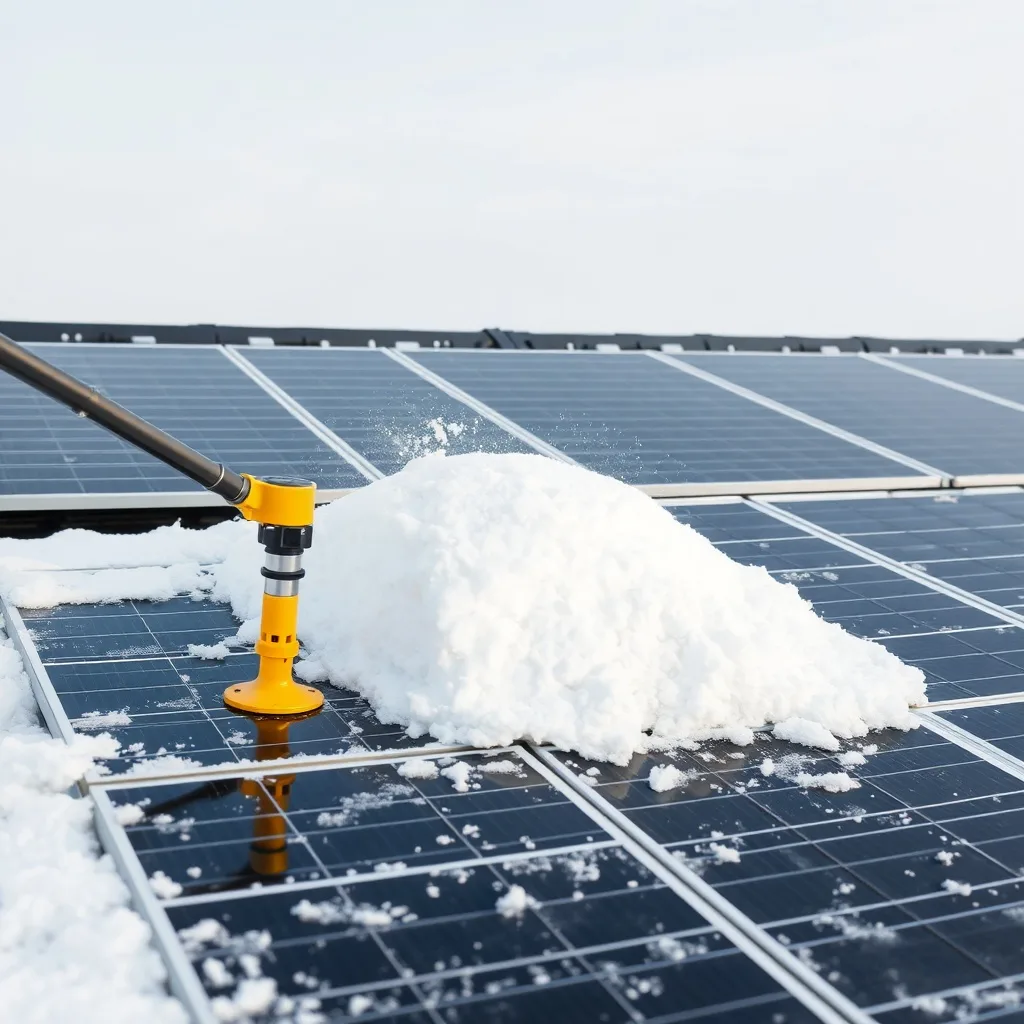
Snow on solar panels blocks production temporarily, but removing it isn’t always necessary or even a good idea. Here’s when to clear it and when to just wait it out. The short version: most arrays clear themselves within a day or two of sun, the energy at stake is small, and the two real risks are a fall from the roof and a scratched or cracked panel. This guide explains how snow sheds, when intervention pays, which tools are safe, and how much winter production is genuinely lost.
Table of Contents
- Does Snow Slide Off on Its Own?
- When Removal Actually Makes Sense
- Safe vs Risky Removal Methods
- Winter Production Reality
- Frequently Asked Questions
Does Snow Slide Off on Its Own?
Panels tilted at 30 degrees or more, dark-colored, and gaining even weak sun typically shed snow on their own within a day or two — the dark surface absorbs enough heat to melt the contact layer and let snow slide off. Flatter mounting angles and prolonged overcast conditions slow this process considerably.
How the melt starts
Snow is a poor insulator against light. Even through several inches, enough sunlight reaches the dark glass to warm it slightly above freezing. A thin film of water forms between snow and glass, the friction drops, and the whole slab slides. Once an edge of a panel is exposed, it warms faster and the process accelerates across the array. Wind helps by scouring loose powder from the top rows.
What slows it down
Low tilt is the biggest factor: below about 15 degrees, snow tends to sit and melt in place rather than slide. Wet, heavy snow followed by a hard freeze can bond to the glass and hold on for days. A frame lip at the bottom edge of each panel catches sliding snow and builds a ridge that stops later slabs from clearing. Shade from trees or a chimney keeps part of the array cold and covered while the rest is clear; our tree shading guide covers that separate problem.
When Removal Actually Makes Sense
For most homeowners, waiting is the right call — a few snow-covered days represent minimal lost production compared to a full year’s output, and manual removal carries real risk of scratching panels or falling. Removal makes more sense only for flat-mounted systems in regions with extended snow cover, where natural shedding won’t happen for weeks.
Cases where clearing pays
An off-grid system with a battery that must be recharged cannot wait for the thaw, so clearing snow there is part of the routine. A ground-mounted array that can be reached safely from the ground is cheap to clear. A flat commercial roof in a region with weeks of continuous cover may justify a maintenance contract. For a typical pitched-roof home system tied to the grid, the arithmetic almost always favors patience.
Cases where it clearly does not
If reaching the panels means standing on a ladder in snow or walking on an icy roof, the answer is no. The National Weather Service’s winter safety guidance sets out the cold-weather hazards, and falls from ladders and roofs are the injury that matters here. A panel that cracks from a shovel blow or thermal shock costs more than the energy a month of snow would have blocked. Check your policy too: our solar insurance guide explains that damage from owner maintenance is not always covered.
Design choices that reduce the question
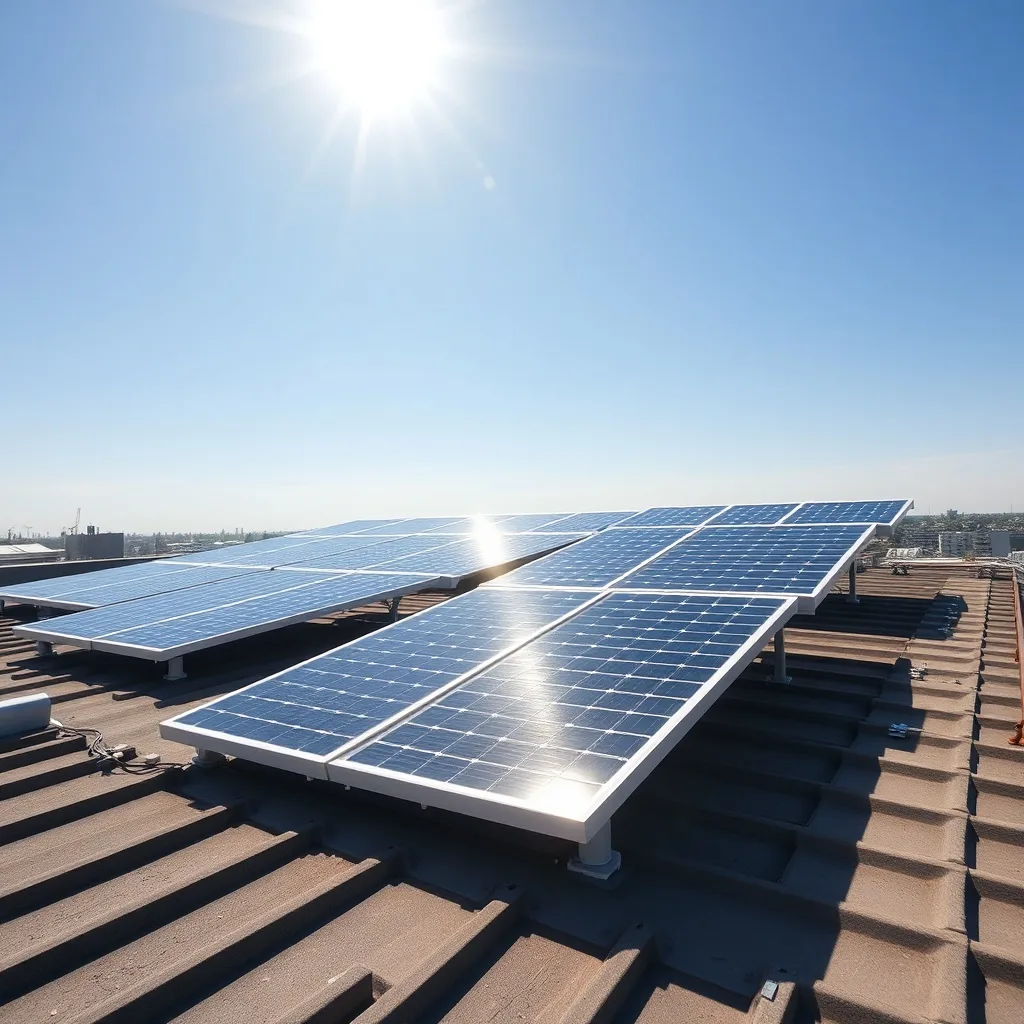
If you are still planning a system in snow country, a few decisions make snow removal a non-issue. A tilt near your latitude sheds faster. Portrait orientation gives snow a longer, steeper path off each panel than landscape. Frameless glass-glass modules have no lip for snow to catch on. Panel-level electronics keep the clear panels producing while the bottom row is still buried. A ground mount puts the array within reach of a rake from flat footing. None of these is essential, but together they turn a winter chore into something that takes care of itself.
Ice dams and gutters
Snow that slides from an array often lands at the eave and refreezes, and the sheet can take a gutter with it. Snow guards mounted below the array, heavy-duty gutter brackets, and clear drainage paths prevent the damage. Watch for ice building up along the bottom edge of the panels, which points to poor drainage under the array rather than a panel problem.
Safe vs Risky Removal Methods
| Method | Safety | Why |
|---|---|---|
| Soft roof rake from the ground | Safe, recommended if needed | Foam or rubber head will not scratch glass; feet stay on the ground |
| Wait for sun and let it slide | Safest of all | No contact with the panels; works within days on tilted arrays |
| Leaf blower on fresh powder | Acceptable from the ground | Only moves light dry snow; useless on crust or wet snow |
| Climbing onto a snowy/icy roof | Dangerous — avoid | Fall risk; panels are slick even without snow |
| Metal shovel or ice scraper directly on panels | Can scratch/damage the glass — avoid | Scratches reduce output permanently; edge strikes can crack cells |
| Hot water | Risk of thermal cracking — avoid | Sudden temperature change stresses cold glass; runoff refreezes as ice |
| Salt or de-icing chemicals | Avoid | Corrodes frames, clamps, and roofing; can void warranties |
| Professional service with roof access | Safe when properly equipped | Fall protection and soft tools; worth it only for large or flat arrays |
Using a roof rake well
Choose a rake with a foam or rubber edge and a telescoping pole, and pull downward with the slope, never across the panels. Clear a strip along the bottom edge first; once sun reaches exposed glass the rest often releases on its own. Stop when the snow is thin. Scraping the last crust gains little and is where scratches happen. Never stand where the released slab will land. Our maintenance hub covers the tools worth owning.
Winter Production Reality
Even accounting for snow cover days, winter production loss from snow specifically is usually smaller than most homeowners expect — shorter days and lower sun angle account for far more of the seasonal production drop than snow cover itself, which is typically measured in days, not weeks, for most properly-tilted systems.
The two winter losses
The first loss is astronomical: fewer hours of daylight and a low sun that crosses more atmosphere. The U.S. Department of Energy’s solar radiation basics explains how season and latitude set the energy available before any snow falls. The second loss is snow cover, which is intermittent. Cold itself is not a loss at all; as the DOE’s performance basics notes, high temperature is what lowers cell voltage, so a clear cold day is a good day for a panel.
Checking your own numbers
Open your monitoring app and compare December and January against June. Then look at the daily bars for the snowy weeks and count the near-zero days. For most tilted rooftop arrays those days add up to a small share of an already small winter total. Our monitoring app guide explains how to read the seasonal view. Remember that grid credits earned in summer usually carry into winter, which is what makes waiting affordable.
Frequently Asked Questions
Should I remove snow from my solar panels?
Usually not necessary — most properly-tilted panels shed snow naturally within a day or two of any sun.
Is it safe to climb on my roof to clear snow?
No, this carries real fall risk — use a soft roof rake from the ground if removal is genuinely needed.
Can snow damage my solar panels?
Panels are built to handle significant snow load; the main risk comes from improper manual removal, not the snow itself.
Does snow cause more production loss than cloudy winter days?
Usually less — shorter days and lower sun angle account for more seasonal loss than snow cover specifically.
What tools are safe for snow removal?
A soft-bristled roof rake used from the ground; avoid metal tools, hot water, or climbing onto the roof.
Do snow-covered panels still produce any power?
A thin, light layer lets some light through and produces a little; a thick or crusted layer stops production almost entirely until it slides.
For broader cold-weather care, see our cold climate solar panels guide. For general seasonal upkeep, see our winter maintenance guide.
Related Posts

Leave a Comment
Your comment will be published after it has been approved. Please send comments that do not contain slang words.