
Solar Plus Heat Pumps
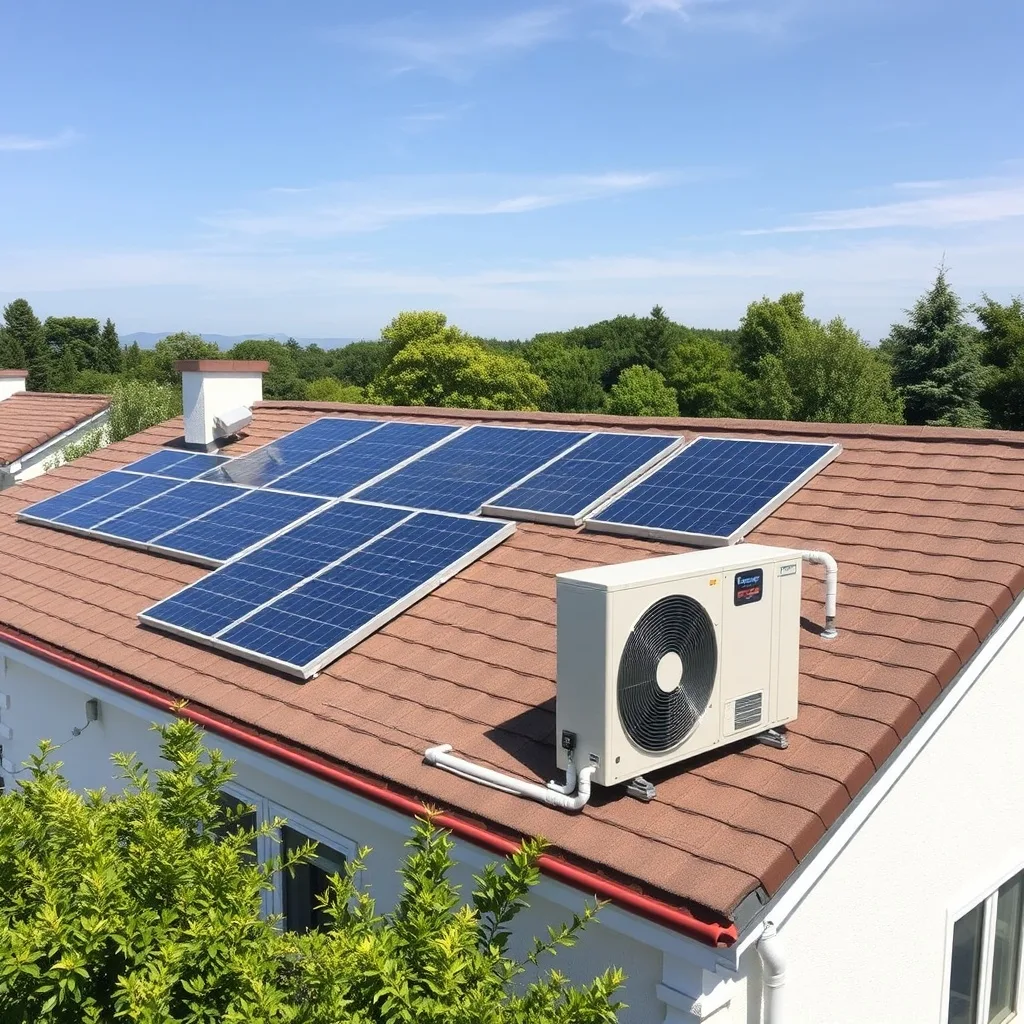
Pairing solar with a heat pump is one of the most effective ways to cut both energy costs and carbon footprint together, since heat pumps run on electricity your own panels can supply. The catch is that the two technologies peak at different times of year. This guide explains why the pairing works, how to size an array for the extra load, and how to line up heating and cooling with the hours your roof is producing.
Table of Contents
- Why This Pairing Makes Sense
- Sizing Solar for a Heat Pump
- Pairing Considerations
- Timing Usage to Solar Production
- Frequently Asked Questions
Why This Pairing Makes Sense
Heat pumps replace fossil-fuel furnaces or resistance electric heat with a far more efficient electric alternative, typically moving 2-4 units of heat energy for every unit of electricity consumed. Pairing that efficiency with solar-generated electricity means both the heating method and the power source are working toward minimizing both cost and emissions together.
Where the efficiency comes from
A heat pump does not make heat; it moves it. In winter it pulls heat from outdoor air or the ground and delivers it indoors, and in summer it runs in reverse as an air conditioner. Because moving heat takes less energy than creating it, the same kilowatt-hour goes further than it would in a baseboard heater. The International Energy Agency’s Future of Heat Pumps report covers how that efficiency scales across climates and building types.
Electrifying the biggest load
Space heating and cooling is the largest energy use in most U.S. homes, according to the Energy Information Administration’s overview of home energy use. Moving that load from gas or oil to electricity is the step that lets rooftop solar cover it. Once heating runs on electrons, every extra panel on the roof displaces fuel as well as grid power.
Sizing Solar for a Heat Pump
A heat pump meaningfully increases household electricity use, especially in shoulder seasons and mild winters where it runs frequently. If you’re adding solar and a heat pump together, size the solar array around your projected TOTAL electricity use including the heat pump, not your pre-heat-pump utility bill history alone.
Estimating the added load
Start with the fuel you are replacing. A year of gas or oil bills, converted to kilowatt-hours of heat delivered, divided by the heat pump’s seasonal efficiency rating gives a first estimate of the electricity it will draw. An installer’s Manual J load calculation is more accurate and is worth insisting on. Add that figure to last year’s electricity use, then size the array to the total. Our panel count guide walks through the arithmetic.
Reduce the load before sizing
Air sealing and insulation shrink both the heat pump size and the solar array needed to feed it. A home energy audit before either purchase often pays for itself in smaller equipment.
Air-source or ground-source
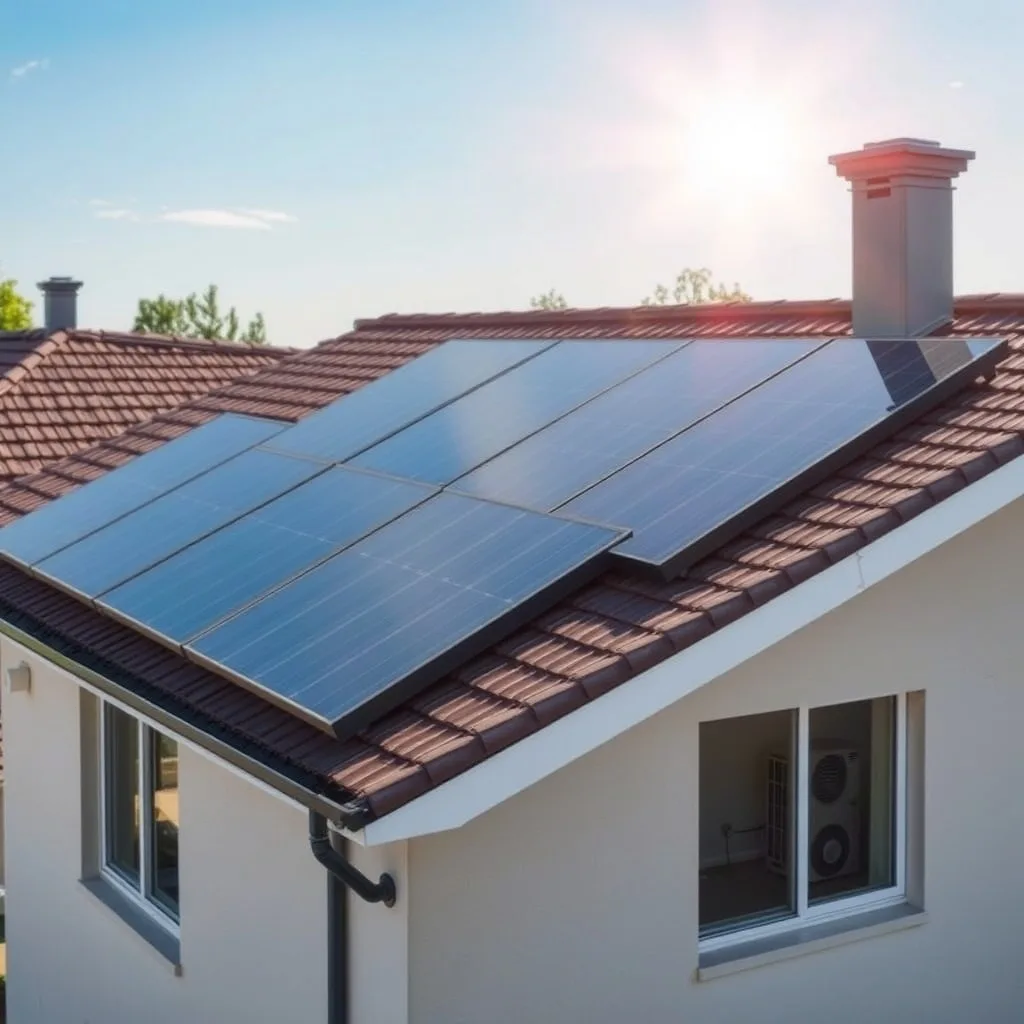
Air-source heat pumps are the common choice: lower cost, simple installation, and cold-climate models that keep working well below freezing. Ground-source (geothermal) systems use the stable temperature of the earth through buried loops, so their efficiency barely changes with the weather and their electricity draw in deep winter is lower. That steadier load is easier to match with a solar array, but the loop field adds significant upfront cost and needs suitable land or drilling access. For most homes with solar, a cold-climate air-source unit is the practical match; ground-source makes sense where winters are long and the site allows it.
Water heating too
A heat pump water heater applies the same principle to domestic hot water and is one of the easiest loads to shift into solar hours, because a tank stores heat for the whole day. Setting it to run in the early afternoon soaks up midday production with no change in comfort.
Pairing Considerations
| Consideration | Why It Matters | What To Do |
|---|---|---|
| Sizing around total future load | Avoids undersizing solar for the added heat pump demand | Add the heat pump’s estimated annual kWh to your bill history before sizing |
| Seasonal usage mismatch | Heat pump demand peaks when solar production is often lower (winter) | Rely on net metering or annual credits; do not expect winter self-sufficiency |
| Battery storage value | Helps shift solar production to evening heating demand | Size the battery for evening hours, not for whole winter nights |
| Available incentives | Heat pumps often separately incentivized alongside solar credits | Check federal, state, and utility programs for each purchase |
| Electrical panel capacity | Heat pump, solar inverter, and any EV charger all need breaker space | Have an electrician confirm capacity before ordering equipment |
| Cold-climate rating | Efficiency falls at very low outdoor temperatures | Choose a cold-climate model in northern regions; plan backup for extreme days |
The winter gap
The largest heating demand lands in the months when panels produce least. A solar array sized to cover annual use will overproduce in summer and underproduce in winter. That is fine where net metering carries credits across seasons, but in regions moving to lower export rates the gap shows up on winter bills. Our net metering guide and energy storage hub cover the options.
Incentives after the 2025 changes
Federal residential credits for both solar and heat pumps changed under the 2025 tax law. The IRS states in its OBBB guidance that the residential clean energy credit is not allowed for expenditures made after December 31, 2025, and the same guidance covers the energy efficient home improvement credit that applied to heat pumps. State rebates and utility programs continue in many places. Our incentive expiration guide tracks the deadlines.
Timing Usage to Solar Production
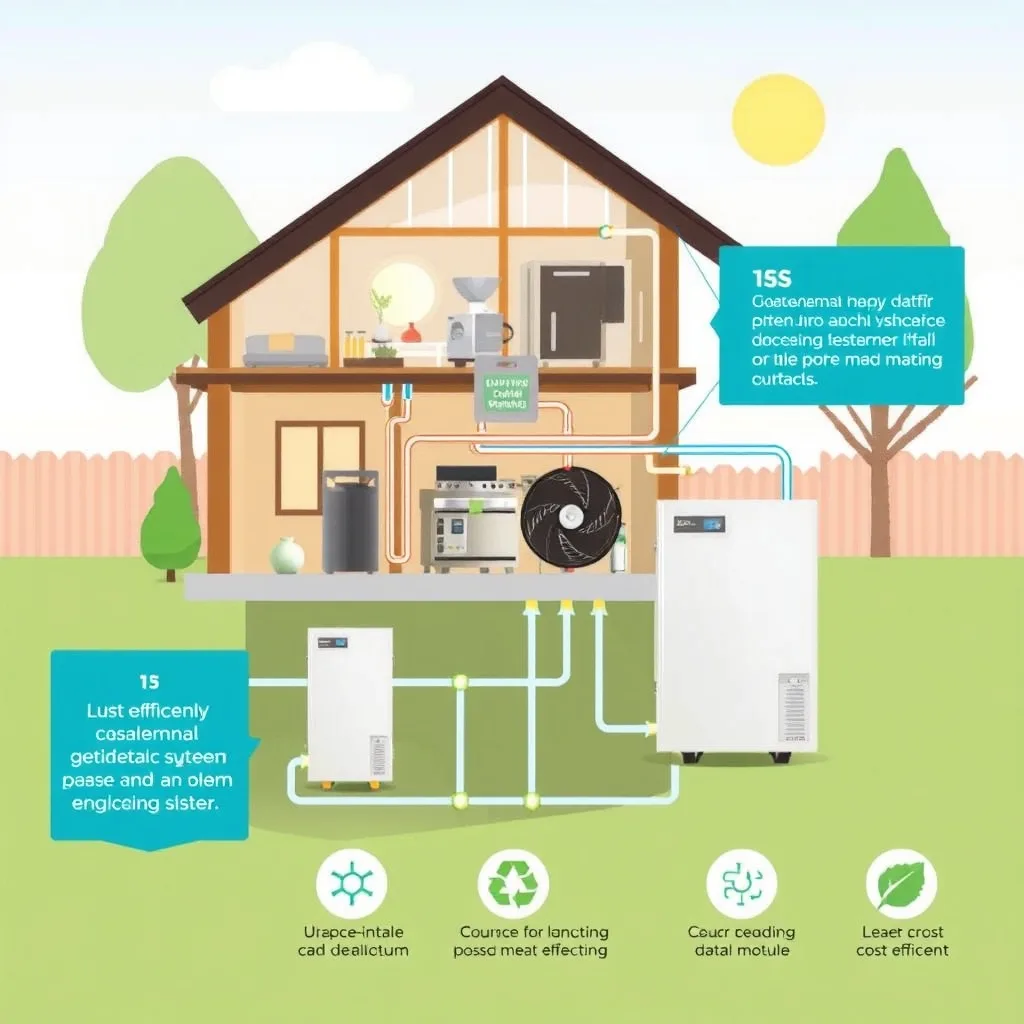
Where possible, running the heat pump more during solar production hours (pre-heating or pre-cooling during midday) rather than purely on-demand can meaningfully increase self-consumption. This requires either a smart thermostat with scheduling or, ideally, integration with your solar monitoring system to automate the timing.
Using the house as a thermal battery
A well-insulated house holds heat for hours. Raising the thermostat a couple of degrees from late morning to mid-afternoon, while the array is producing, then letting the temperature drift down in the evening, stores midday solar as warmth in the walls and furniture. In summer the same idea works in reverse with pre-cooling. The comfort cost is small and the shift in self-consumption is real, especially under time-of-use rates. Our time-of-use guide explains how to line schedules up with rate periods.
Choosing equipment that cooperates
Look for a heat pump with a variable-speed compressor and a thermostat that supports schedules and utility demand-response signals. ENERGY STAR’s air-source heat pump listings identify models that meet current efficiency criteria, including cold-climate designations. Some solar monitoring platforms can nudge a compatible thermostat when export begins, which automates the whole routine.
Frequently Asked Questions
Will solar fully cover my heat pump’s electricity use?
Depends on sizing — a properly sized system accounting for the heat pump’s added load can offset most or all of it annually.
Should I size solar before or after installing a heat pump?
Ideally together, sizing solar around your total projected load including the heat pump.
Does a heat pump work well with battery storage?
Yes, storage helps shift solar-generated power to cover heat pump demand outside sun hours.
Are heat pumps and solar panels incentivized together?
Often separately but complementarily — check both federal and state programs for each.
Is a heat pump worth it without solar?
Yes, heat pumps are more efficient than most alternatives regardless of power source — solar just improves the cost/emissions picture further.
Do I need a bigger electrical panel for solar plus a heat pump?
Sometimes — a heat pump, an inverter, and possibly an EV charger all need breaker space, so have an electrician check capacity first.
For the full incentive picture covering both, see our clean energy incentives and financing guide. For smart energy management to optimize timing, see our smart energy systems guide.
For the direct solar-thermal alternative to an electric water heater, see solar water heaters.
For the ground-source option and how it compares, see geothermal vs solar for a home.
Related Posts

Leave a Comment
Your comment will be published after it has been approved. Please send comments that do not contain slang words.