
Clean Energy for Business

Clean energy for business spans a wider set of decisions than a small business installing rooftop solar: corporate sustainability pledges and how they’re actually structured, the clean energy job market and workforce training pipeline, and how small businesses specifically weigh clean energy adoption differently than large corporations with dedicated sustainability teams.
This guide covers small business clean energy adoption specifically. It explains how corporate clean energy pledges actually work, and how to judge whether one is substantive or largely marketing. It also covers the clean energy job market, available training pathways, and what small businesses should know before committing to a transition.

Table of Contents
- Clean Energy for Small Business: The Practical Path
- How Corporate Clean Energy Pledges Actually Work
- Evaluating Whether a Pledge Is Substantive
- The Clean Energy Job Market
- Workforce Training Pathways
- Small Business vs. Large Corporate Adoption: Key Differences
- Case Study: Two Small Business Types
- Measuring and Reporting Your Clean Energy Use
- Financing Considerations for Small Business
- Employee Attraction and Retention
- Supply Chain and Customer Pressure
- Certifications and Credentials Worth Knowing
- Getting Started as a Small Business
- Common Mistakes
- Frequently Asked Questions
Clean Energy for Small Business: The Practical Path
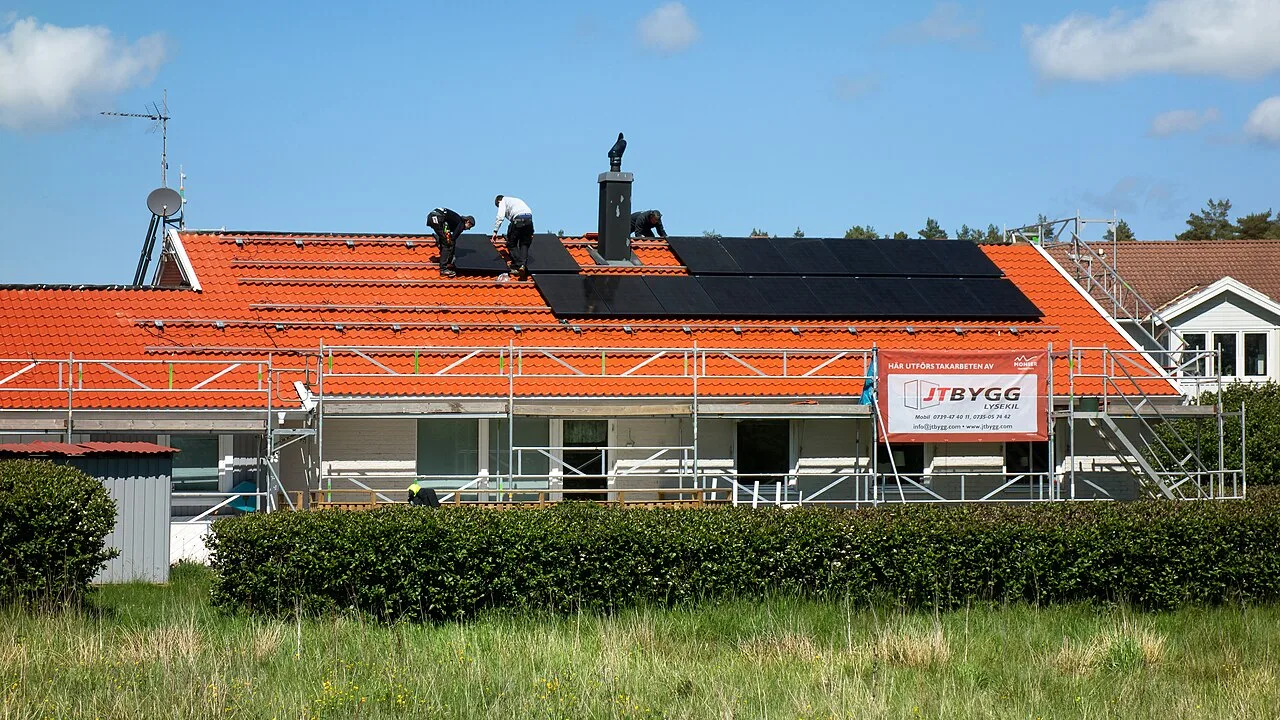
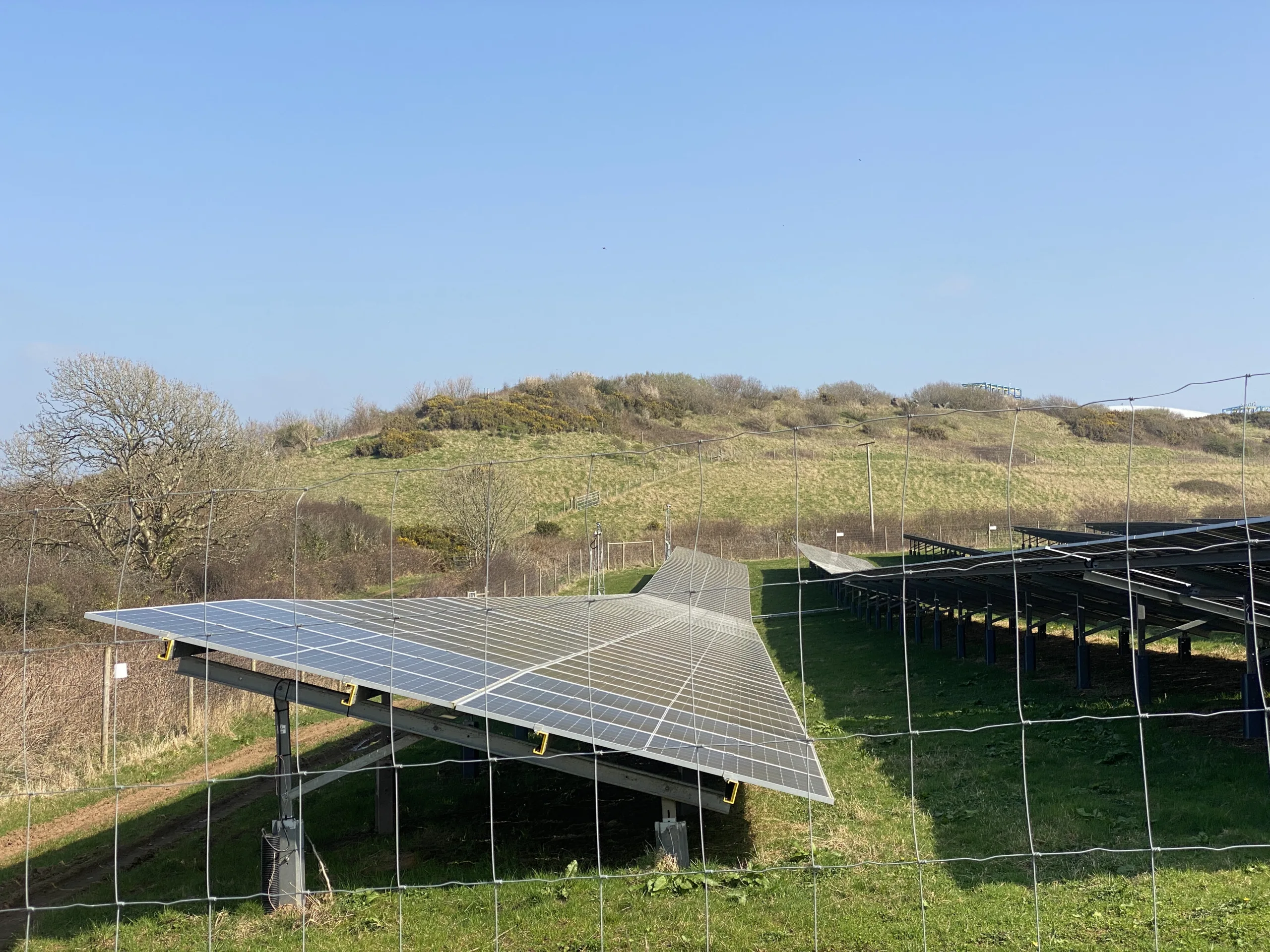
For most small businesses, the practical clean energy path starts with on-site solar (rooftop or, less commonly, ground-mount if land is available) sized to actual daytime load, taking advantage of the depreciation and tax credit stack covered in our commercial depreciation guide and small business ROI guide. Beyond direct solar ownership, a business without capital to invest can still participate via a PPA structure, a utility green power program, or – for a business leasing its space – advocating with a landlord for a shared clean energy investment, similar to the options covered in our renter incentives guide at the residential scale.
How Corporate Clean Energy Pledges Actually Work
Large-corporate clean energy commitments typically take one of three structural forms. The first is direct on-site or owned off-site generation. The second is a power purchase agreement with a specific renewable project, which funds new generation capacity tied contractually to the buyer. The third is purchasing renewable energy certificates (RECs), which represent the environmental attributes of renewable generation elsewhere on the grid. RECs carry no direct physical or contractual tie to a specific project. These forms carry meaningfully different levels of real-world impact. A PPA funding genuinely new generation capacity is generally considered more additive. Buying unbundled RECs from existing generation that would have been built anyway is less so.
Evaluating Whether a Pledge Is Substantive
| Pledge Type | Real-World Additionality |
|---|---|
| Direct on-site or owned generation | High – new physical capacity directly tied to the business |
| PPA funding new project development | Generally high – contractually tied to new generation capacity |
| Bundled RECs from a specific new project | Moderate to high, depending on project timing relative to the purchase commitment |
| Unbundled RECs from existing/older generation | Lower – often criticized as having limited effect on new clean energy capacity being built |
A specific, well-structured pledge names the mechanism (on-site, PPA, bundled REC, unbundled REC) explicitly. Some pledges use only vague language, such as a broad commitment to clean energy, without specifying the mechanism. Those are harder to evaluate. Ask about the mechanism directly if it matters to your own business relationship or purchasing decisions with that company.
The Clean Energy Job Market
Clean energy has been among the faster-growing employment sectors in recent years, spanning installation and skilled trades (electricians, roofers cross-training into solar installation), manufacturing (panel, inverter, and battery production), engineering and project development, and a growing software/grid-technology segment (the AI-driven grid management trend covered in our technology trends guide). Growth has generally outpaced overall job market growth in recent years. The sector still remains smaller in absolute terms than traditional energy employment. That is useful context for headline growth-rate statistics. A dramatic percentage can still represent a modest absolute number of jobs relative to the broader economy.
Workforce Training Pathways
Entry paths into clean energy careers come in four broad shapes. Trade school and community college certificate programs cover solar installation and electrical work. Manufacturer-specific certification programs are offered by several major inverter and panel brands. Apprenticeship programs through electrical trade unions increasingly incorporate solar-specific training. University engineering and project-management programs serve the design and development side of the industry. Someone already in an adjacent trade has a shortcut. General electrical work, roofing, and HVAC all share foundational skills with solar. Cross-training into solar-specific skills is often faster than starting from scratch.
Small Business vs. Large Corporate Adoption: Key Differences
Small businesses generally lack the dedicated sustainability staff, in-house legal and tax expertise, and capital scale that shape large-corporate clean energy strategy. That is exactly why the guidance here and in our small business ROI content focuses on direct, relatively simple mechanisms. On-site solar, straightforward financing, and standard incentive stacking matter more than the complex PPA and REC-market strategies large corporations use. A small business reading coverage of what other companies are doing should filter it through this lens. A Fortune 500 multi-site PPA portfolio strategy is not a realistic template for a business with one or two locations.
Getting Started as a Small Business
- Get an energy audit or at minimum 12 months of utility interval data to understand actual load shape.
- Get multiple installer quotes specifically experienced with commercial-scale projects, not just residential.
- Confirm your business’s tax situation with an accountant before assuming the full incentive stack applies as advertised.
- Decide on ownership structure (cash, loan, or PPA) based on available capital and tax liability, not just the lowest headline monthly cost.
- Factor in demand-charge reduction specifically if your utility rate structure includes it – often a bigger value driver than total kWh offset for commercial accounts.
Case Study Comparison: Two Small Business Types
| Business Type | Clean Energy Approach | Key Consideration |
|---|---|---|
| Retail storefront (owns building) | Direct on-site solar sized to daytime hours | Strong load-timing match; straightforward ownership decision |
| Professional services firm (leases office space) | Landlord advocacy, utility green power program, or a PPA if the landlord participates | Limited direct control; depends heavily on lease terms and landlord cooperation |
| Light manufacturer/warehouse (owns building) | Larger on-site system, demand-charge reduction focus | Demand charges often a bigger value driver than total kWh offset |
| Restaurant or hospitality (extended/overnight hours) | Solar plus battery for load-shifting given overnight usage | Solar alone offsets less of total load than a daytime-only business |
Measuring and Reporting Your Business’s Clean Energy Use
For businesses wanting to communicate their clean energy adoption credibly – to customers, in marketing materials, or in response to a larger partner or client asking about sustainability practices – basic measurement and reporting practices matter: track actual production and self-consumption data (most commercial inverter monitoring platforms provide this, covered in our commercial inverter guide), understand and correctly cite the mechanism behind any claim (direct generation, PPA, REC purchase – see the evaluation framework above), and avoid vague “green” or “clean energy” marketing language without a specific, verifiable claim behind it. A genuine, specific claim is more credible than a vague sustainability statement. Something like offsetting 40% of electricity use with an on-site solar system, verified against the utility bill, is concrete. It is also far more defensible if questioned.
Financing Considerations Specific to Small Business
Small businesses evaluating clean energy financing face a narrower and simpler set of choices than large corporations. The options are a cash purchase, a commercial solar loan, or a PPA. Corporate-scale green bonds and large multi-site portfolio financing structures do not enter the picture. See our small business ROI guide for the full financing comparison and our incentives and financing guide for how the incentive stack interacts with whichever financing path you choose.
Employee Attraction, Retention, and Company Culture
Beyond direct cost savings, small business owners increasingly cite employee attraction and retention as a secondary motivation. This is strongest among younger workforce demographics. Survey data has repeatedly shown they place some weight on employer sustainability practices when evaluating job offers. This is a genuinely harder benefit to quantify than the direct financial ROI covered in our other guides. It should not be the primary justification for a clean energy investment on its own. But it is a real secondary factor worth raising alongside the financial case when building internal support for a project.
Supply Chain and Customer Pressure
A growing number of small businesses report adopting clean energy partly in response to customer pressure. Larger customers and supply chain partners have their own sustainability commitments. They are beginning to ask smaller suppliers about their practices as part of scope 3 emissions accounting, which covers a larger company’s indirect emissions from its supply chain. This is currently more common in specific industries than as a universal small-business pressure. Manufacturing, food service supply chains, and larger B2B relationships see it most. It is still worth knowing about if your business supplies larger corporate clients with public sustainability commitments. Answering a client’s sustainability questionnaire credibly can matter for the relationship, independent of any direct cost savings.
Certifications and Credentials Worth Knowing
For workers and job seekers, the most widely recognized solar-specific credential in the US is NABCEP certification, from the North American Board of Certified Energy Practitioners. It comes in several specialty tracks, including PV installation and PV technical sales. Job postings commonly reference it as a preferred or required qualification. For a small business hiring an installer, checking whether the crew includes NABCEP-certified installers is a reasonable quality signal. It is not an absolute one. Check references as well, and review past commercial installation work specifically. Residential-only experience does not always translate to commercial-scale project competence.
Common Mistakes
- Assuming large-corporate clean energy strategies (complex PPA portfolios, REC trading) apply to a small business – most small businesses should focus on simpler, direct mechanisms.
- Taking a vague corporate clean energy pledge at face value without checking the underlying mechanism – unbundled RECs and direct new-generation investment are not equivalent claims.
- Underestimating how much of the job-market growth story is about absolute versus percentage numbers – useful context, not a reason to over- or under-weight the sector’s current scale.
- Not confirming tax liability sufficiency before assuming a small business can use the full incentive stack – see our depreciation guide for why this matters.
Frequently Asked Questions
What is the difference between a bundled and unbundled REC?
A bundled REC is purchased alongside the actual electricity from a specific renewable project. An unbundled REC represents only the environmental attribute. It is purchased separately from any specific electricity delivery. It is generally considered to have less direct impact on new clean energy development.
Is the clean energy job market really growing faster than other sectors?
Generally yes in percentage growth-rate terms in recent years, though it remains a smaller sector in absolute employment numbers than traditional energy – both facts are true simultaneously and worth keeping in mind when evaluating growth statistics.
How can I get into a clean energy career without prior experience?
Trade school/community college certificate programs, manufacturer certification courses, and union apprenticeship programs are the most common entry paths. Workers already in an adjacent trade (electrical, roofing, HVAC) often cross-train fastest.
Should a small business trust a supplier or partner’s corporate clean energy pledge?
Worth checking the specific mechanism behind the pledge (on-site, PPA, bundled or unbundled RECs) rather than taking a general “committed to clean energy” statement at face value if the claim matters to your own purchasing or partnership decisions.
Does a small business need a dedicated sustainability team to adopt clean energy?
No – the practical path (on-site solar, standard financing, standard incentive stacking) is designed to work without dedicated in-house sustainability expertise. An experienced commercial installer and a tax professional cover most of what’s needed.
Does clean energy adoption actually help with employee retention?
Survey data suggests it’s a real secondary factor for some workforce demographics, though it shouldn’t be the primary justification for the investment on its own – treat it as a supporting point alongside the direct financial case.
Why are my larger customers asking about our sustainability practices?
Increasingly common in B2B relationships where the larger customer has its own sustainability commitments and needs supply-chain (scope 3) emissions data – being able to answer credibly can matter for the business relationship.
Conclusion
Clean energy for business looks different at small-business scale than the complex PPA and REC strategies behind corporate sustainability headlines. Most small businesses are best served by direct on-site solar, standard financing, and careful incentive stacking. Trying to replicate large-corporate strategies is rarely the right move. See our small business solar ROI guide and depreciation benefits guide for the practical next steps.
Further reading: U.S. Energy Information Administration – Solar Explained and Wikipedia – Renewable energy certificate.
For the full breakdown, see our sustainable energy grants guide. We take this further in our is solar energy worth the investment in 2026? guide.
Related Posts

Leave a Comment
Your comment will be published after it has been approved. Please send comments that do not contain slang words.