
Clean Energy Future
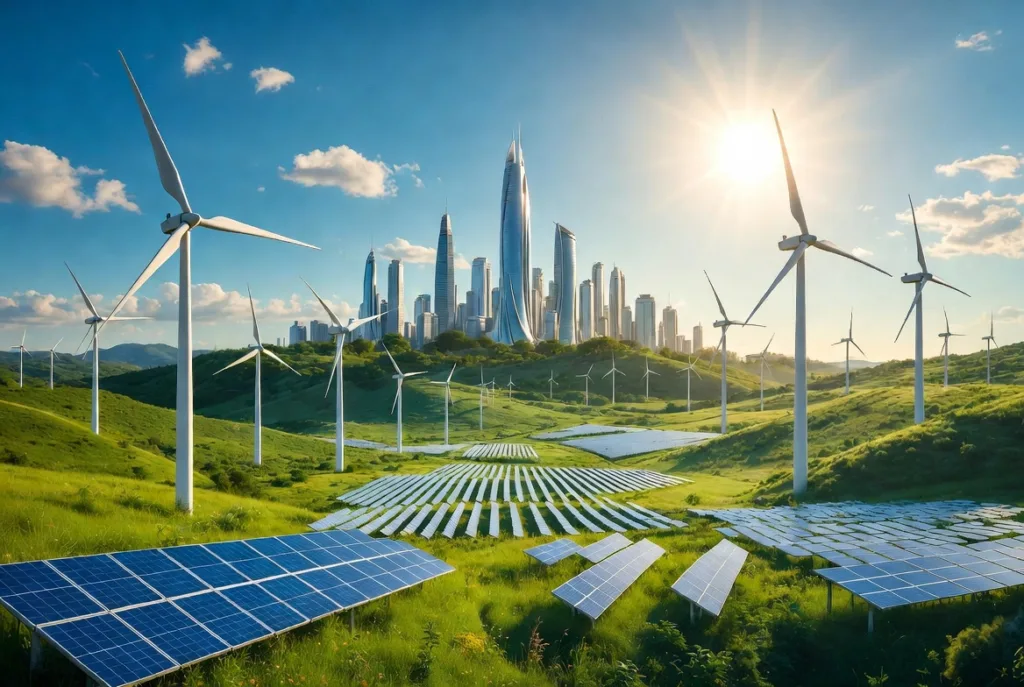
The world is in the middle of the fastest energy transition in modern history. Solar and wind are now the cheapest sources of new electricity across much of the planet. Batteries are reshaping how grids balance supply and demand. Clean energy investment has pulled decisively ahead of fossil fuels. Yet the path to a fully clean energy future is neither automatic nor simple. It depends on solving hard problems in storage, grids, materials, and policy. Understanding where the transition is heading helps homeowners, businesses, and investors make smarter decisions today. This guide breaks down the technologies, trends, and regional dynamics shaping the clean energy future, and the real obstacles that still stand in the way.
Why the Transition Is Accelerating
The shift to clean energy is no longer driven mainly by environmental idealism — it is increasingly driven by economics. Renewable energy has become the cheapest option, and that changes everything.
Over the past decade, the cost of solar panels and wind turbines has fallen dramatically as manufacturing has scaled worldwide. Battery costs have dropped sharply at the same time. That makes it viable to store clean energy. The stored power covers the hours when the sun is not shining or the wind is not blowing.
- Solar and wind now offer the lowest cost of new electricity in many regions
- Battery prices have fallen steeply, enabling large-scale storage
- Clean energy investment has overtaken fossil fuel investment globally
- Electric vehicles are driving massive battery manufacturing growth
- Corporate and government demand for clean power keeps rising
The International Energy Agency (IEA) has documented how clean energy spending pulled ahead of fossil fuels. The trend reinforces itself, as scale drives costs even lower. For anyone tracking where this is going, the evolution of solar technology trends offers a clear window into the pace of change.
The Technologies Shaping Tomorrow
A clean energy future rests on more than just solar panels. A suite of technologies is maturing together, each solving a different piece of the puzzle.
Next-generation solar. New cell designs promise higher efficiency and lower cost, pushing more power from the same rooftop or field. Advanced storage. Longer-lasting, safer, and cheaper batteries are making it possible to shift clean energy across hours or even days.
- Higher-efficiency solar cells that capture more energy per panel
- Longer-duration batteries that store energy for days, not just hours
- Smart grids that balance supply and demand in real time
- Green hydrogen for hard-to-electrify heavy industry
- Vehicle-to-grid systems that turn EVs into mobile storage
These technologies reinforce one another. Cheaper storage makes variable solar and wind more reliable, while smarter grids make the whole system more efficient. Exploring next-gen solar panels shows how quickly the hardware at the center of this shift is improving. The National Renewable Energy Laboratory (NREL) continues to publish research pushing these frontiers forward.
The Central Role of Energy Storage
If clean generation is the engine of the transition, storage is the gearbox that makes it usable. Without it, the variability of solar and wind would limit how much clean energy a grid can absorb.
Storage smooths the mismatch between when clean energy is generated and when it is needed. A solar panel produces most at midday, but demand often peaks in the evening — batteries bridge that gap, both in homes and across entire grids.
| Technology | Main Role | Key Challenge |
|---|---|---|
| Lithium batteries | Short-duration daily storage | Material supply and cost |
| Long-duration storage | Multi-day energy shifting | Still emerging at scale |
| Green hydrogen | Heavy industry and transport | High production cost |
| Smart grids | Real-time balancing | Infrastructure upgrades |
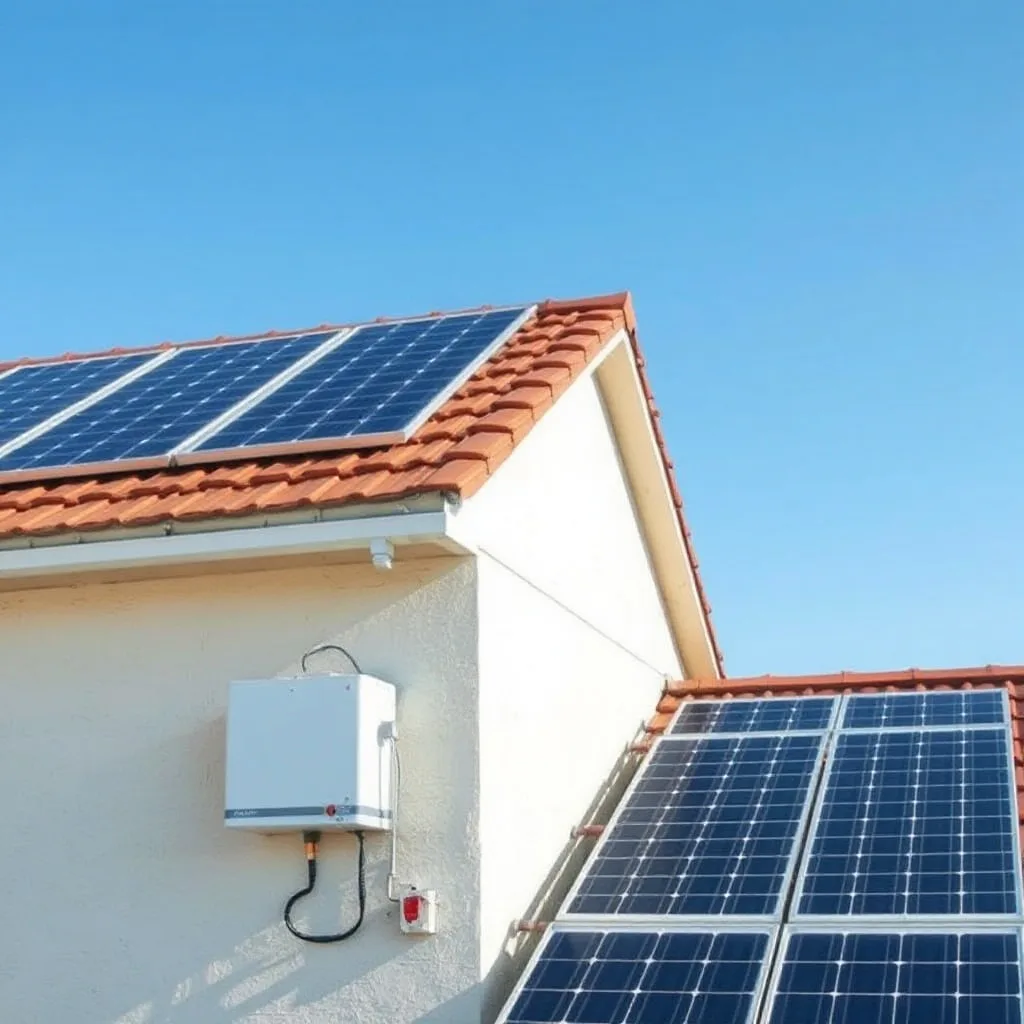
The rise of home batteries is part of this same story, giving households their own slice of grid flexibility. Understanding home battery storage shows how the transition is playing out at the level of individual roofs, not just utility-scale projects.
The Clean Energy Future by Region
The transition is global, but it looks very different depending on where you stand. Local resources, policy, and industry shape each region’s path.
- US: Large-scale investment in manufacturing and deployment is accelerating, driven by falling costs and supportive federal incentives, though policy continuity remains a variable.
- EU: Strong climate targets, carbon pricing, and energy-security concerns are pushing rapid renewable growth alongside major grid upgrades.
- China: The world’s manufacturing powerhouse for solar and batteries is also deploying clean energy at massive scale to meet soaring demand.
- India: Rapid solar expansion and ambitious targets are transforming the grid, with storage increasingly essential to manage growth.
- Middle East: Abundant sunlight is driving huge utility-scale solar projects as oil-rich nations diversify their energy mix.
These regional differences matter because the transition is not a single race but many parallel ones. The U.S. Energy Information Administration (EIA) tracks how these markets evolve, and no two follow exactly the same path toward the same clean energy goal.
The Obstacles Still in the Way
A clean energy future is increasingly likely, but it is not guaranteed to arrive quickly or smoothly. Several stubborn challenges still need solving.
The biggest near-term constraint is often not generation but the grid itself. Renewable projects are frequently built faster than they can be connected, creating long interconnection queues. Upgrading aging grids to handle variable, distributed power is a massive undertaking.
- Grid interconnection backlogs slowing new renewable projects
- The need to build long-duration storage at scale
- Securing critical minerals for batteries responsibly
- Political and policy uncertainty across election cycles
- Ensuring the transition is affordable and fair for all households
Material supply is another concern. Scaling batteries requires lithium, cobalt, and other minerals, raising questions about sourcing and recycling. Bodies like the U.S. Department of Energy (DOE) and the EPA are increasingly focused on building out recycling infrastructure to keep the transition sustainable over the long term.
What It Means for Homeowners
The clean energy future is not just an abstract global story — it is arriving on individual rooftops and in home garages. For households, the transition brings both opportunity and choices.
Falling costs mean solar and storage are more accessible than ever, and pairing them gives homeowners real control over their energy. As electric vehicles and smart home systems spread, the home is becoming an integrated energy hub rather than just a consumer of grid power.
- Solar plus storage offers growing independence from the grid
- EV charging is becoming part of the home energy system
- Smart systems optimize energy use automatically
- Early adopters benefit from incentives and rising energy value
The practical takeaway is that waiting indefinitely for the perfect future technology is rarely the best move. The tools to participate in the clean energy future already deliver real value today. Systems installed now can grow with the technology. That is especially true of expandable ones. Exploring options like an off-grid solar system shows just how far household energy independence has already come.
Frequently Asked Questions
Is a fully clean energy future actually achievable?
Most experts view a largely clean energy system as achievable. Renewables and storage are already cost-competitive. The exact pace depends on solving grid, storage, and policy challenges.
Why is energy storage so important for clean energy?
Storage bridges the gap between when solar and wind generate power and when it is needed. That makes variable clean energy reliable enough to power grids and homes around the clock.
What is the biggest obstacle to the clean energy transition?
Grid infrastructure is often the biggest near-term bottleneck, as renewable projects are frequently built faster than they can be connected and aging grids need major upgrades.
Should homeowners invest in solar and storage now or wait?
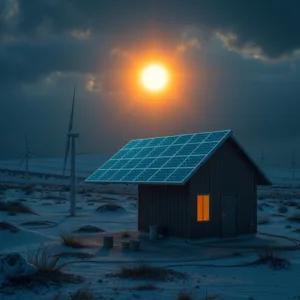
The technology already delivers real value, and incentives are often available today. Waiting indefinitely rarely pays off. Choosing expandable systems that can grow over time reinforces that. GORSEL_PROMPT: A futuristic clean energy landscape with solar panels, wind turbines, battery storage units, and a smart city skyline connected by glowing energy lines, optimistic modern illustration style, blue and green tones See our clean energy transition and getting started guide for how this plays out in practice. There is more detail on this in our clean energy stocks to watch guide. The heating side of home electrification is covered in geothermal vs solar for a home. The full set of guides is collected in all our clean energy guides.
Related Posts
Leave a Comment
Your comment will be published after it has been approved. Please send comments that do not contain slang words.