
Clean Energy Transition and Getting Started
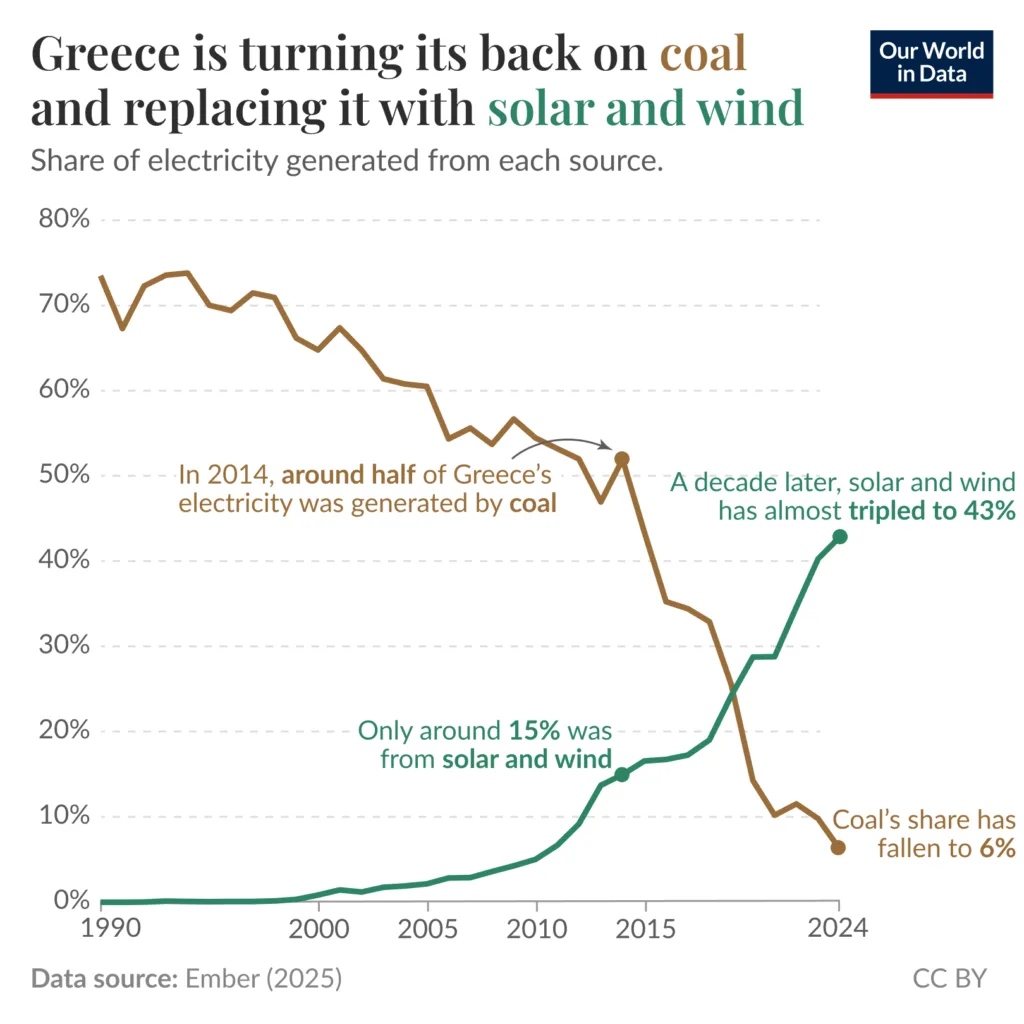
Clean energy transition and getting started looks different depending on whether you’re asking as a homeowner deciding whether to install solar, or thinking more broadly about how the wider energy system is shifting. This guide covers both. First, a realistic installation timeline and process for an individual household. Second, the broader multi-decade transition context that shapes policy, technology cost, and availability along the way.
You may be planning your own installation, or just trying to understand where the broader clean energy shift stands. Either way, this guide walks through the practical getting-started process. It explains what energy independence realistically means. It also covers the multi-year transition trajectory worth understanding as context.
Table of Contents
- Getting Started: The Household Installation Process
- A Realistic Installation Timeline
- What “Energy Independence” Actually Means
- The Broader Clean Energy Transition: Context
- Phases of the Broader Transition
- Types of Clean Energy Projects to Know
- Pre-Installation Readiness Checklist
- Regional Variation in Timelines
- Questions First-Time Buyers Commonly Have
- Budgeting for the Full Process
- Common Mistakes When Getting Started
- Frequently Asked Questions
Getting Started: The Household Installation Process
The practical path to installing solar (with or without storage) generally follows the same sequence regardless of system size: gather 12 months of utility usage data (or at minimum recent bills), get 3+ installer quotes to compare pricing and equipment, confirm your specific state and utility incentive stack (see our incentives and financing guide), choose financing structure (cash, loan, or lease/PPA), sign a contract and begin permitting, complete installation, and wait for utility interconnection approval (Permission to Operate) before the system can legally export power. Each step has its own typical timeline, covered next.
A Realistic Installation Timeline
| Stage | Typical Duration |
|---|---|
| Research and getting quotes | 2-4 weeks |
| Contract signing to permit submission | 1-2 weeks |
| Permit approval (varies heavily by jurisdiction) | 2-8 weeks |
| Physical installation | 1-3 days for most residential systems |
| Utility interconnection / Permission to Operate | 1-6 weeks, varies significantly by utility backlog |
Total time from first quote to a system actually producing power commonly runs 2 to 4 months. It can take longer in jurisdictions with slower permitting or interconnection queues. Budget for this timeline rather than assuming installation day is the finish line. Interconnection approval is often the longest and least visible part of the process.
What “Energy Independence” Actually Means
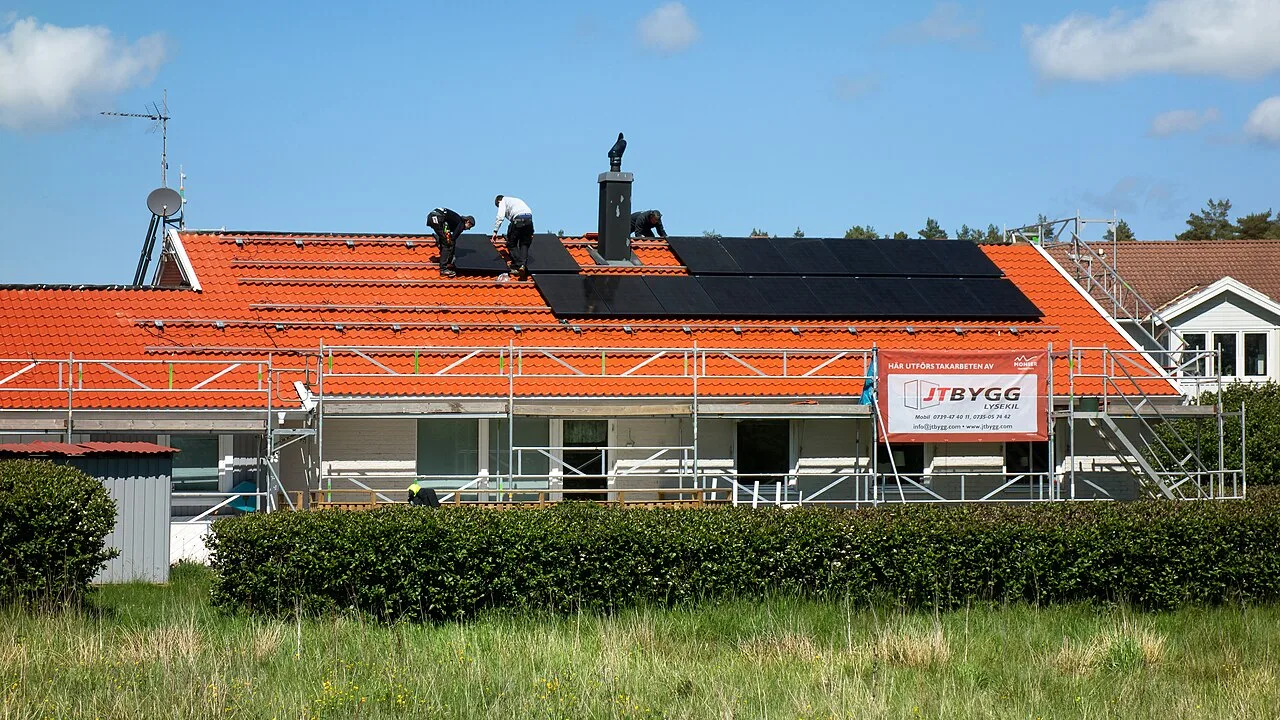
“Energy independence” is used loosely to mean different things: for most grid-tied solar households, it means substantially reduced reliance on grid-purchased electricity and some backup capability during outages, not full disconnection from the grid – see our net metering guide for how grid-tied systems actually work day to day. Genuine full independence (no grid connection at all) is a materially different, more expensive undertaking – see our off-grid inverter guide for that path specifically. Most households pursuing energy independence as a goal are better served by treating it as a spectrum rather than a binary switch. The useful measures are the percentage of usage offset and the backup duration during outages.
The Broader Clean Energy Transition: Context
Beyond an individual household’s decision, the broader energy system has been shifting toward clean generation for over a decade. The main driver has been cost declines in solar, wind, and battery storage rather than policy alone. Policy has still meaningfully accelerated the pace in many markets. Understanding this broader context helps frame an individual decision: falling technology costs generally favor buying sooner rather than waiting for further declines to fully materialize (see our technology trends guide for why “waiting for the next breakthrough” is usually the wrong call for most buyers), while policy volatility (net metering changes, shifting incentive structures) is a real reason to lock in current, known terms rather than assume today’s program will still be available in its current form indefinitely.
Phases of the Broader Transition
| Phase | Characteristics |
|---|---|
| Early adoption (roughly 2000s-early 2010s) | High costs, primarily policy/subsidy-driven adoption, early-adopter enthusiasm |
| Cost-competitiveness (roughly mid-2010s onward) | Solar/wind reach grid parity with fossil generation in many markets, adoption broadens beyond early adopters |
| Storage integration (roughly late 2010s-2020s) | Battery costs fall enough to make storage a mainstream residential and grid-scale addition, not a niche add-on |
| Grid modernization (current, ongoing) | AI-driven grid management, virtual power plants, and policy structures adapting to high distributed-generation penetration |
This phased framing is necessarily a simplification – the pace and shape of transition varies enormously by region, as covered in our market and policy outlook guide – but it’s a useful way to understand why “clean energy” coverage and marketing has shifted tone over the past two decades, from subsidy-dependent niche technology to a mainstream cost-competitive default in a growing number of markets.
Types of Clean Energy Projects to Know
Beyond individual rooftop solar, several project types are worth knowing as context for the broader transition: utility-scale solar and wind farms (see our utility-scale solar guide), community solar projects (see our renter incentives guide for how these work as an individual access path), and commercial/industrial on-site generation (see our clean energy for business guide). Each project type has different financing structures, timelines, and stakeholders, but all draw on largely the same underlying technology cost trends described above.
Pre-Installation Readiness Checklist
- 12 months of utility usage data (or recent bills) gathered.
- Roof condition assessed – a roof needing replacement within 5-10 years should generally be replaced before, not after, solar installation.
- Local permitting and HOA requirements checked in advance.
- Multiple installer quotes obtained and compared on equal footing (net cost, warranty terms, not just headline price).
- Financing structure decided based on your tax situation and available capital.
- Current net metering and incentive terms for your specific utility confirmed directly, not assumed from general information.
Regional Variation in Getting-Started Timelines
The timeline stages above vary considerably by jurisdiction. Permitting turnaround can be a same-day online approval in some progressive jurisdictions. In others with more manual review, it runs 6 to 8 weeks. Utility interconnection queues have also grown longer in some high-solar-adoption regions, simply due to volume rather than any policy issue. Ask your installer specifically about current local permitting and interconnection timelines in your area. A national average is not much use here. This is one of the most locally variable parts of the entire process, and installers with deep local experience usually have accurate, current expectations to set.
Questions First-Time Buyers Commonly Have
Beyond the technical process, first-time buyers commonly want answers that do not fit neatly into a spec sheet. What happens if you sell your home before the system is paid off? Generally the buyer assumes any remaining loan, or the balance is settled at closing. Confirm this against your specific loan terms. What maintenance is actually required? Minimal for most systems, meaning periodic visual inspection and occasional panel cleaning in dusty climates. What happens if the installer goes out of business? Equipment manufacturer warranties are generally separate from installer workmanship warranties. Equipment coverage often survives even if the original installer does not. Workmanship-specific coverage may not, which is worth asking about directly when comparing installers.
Budgeting for the Full Process, Not Just Equipment
First-time buyers commonly budget for panel and inverter cost but underestimate the secondary costs. Permit fees vary by jurisdiction and typically run a few hundred dollars. An electrical panel upgrade may be required if your existing service cannot support the new system. A structural assessment or roof reinforcement may also be needed. Financing costs, meaning interest if you are not paying cash, are not part of the headline system price either. Ask for an itemized quote breaking out each of these separately rather than a single bundled number. That way you can see exactly what is driving total project cost beyond the panels and inverter themselves.
Common Mistakes When Getting Started
- Assuming installation day is the finish line – utility interconnection approval (PTO) is often the longest, least visible step, and the system isn’t legally producing until that’s granted.
- Installing solar on a roof that will need replacement soon – replace or at minimum assess roof condition first.
- Confusing “energy independence” marketing language with actual off-grid capability – most residential systems remain grid-connected.
- Waiting indefinitely for better technology or lower prices – current mature technology is usually the financially sound choice today, not a reason to delay.
- Not confirming current incentive and net metering terms directly – policy has shifted in many markets; don’t rely on older general information (including this guide, over time) for exact current numbers.
Frequently Asked Questions
How long does it take to go from deciding on solar to actually having power?
Commonly 2-4 months total, including permitting and utility interconnection approval – installation itself is usually just 1-3 days within that window.
Does “energy independence” mean disconnecting from the grid?
Not for most homeowners – it usually means substantially reduced grid reliance and some backup capability, not full off-grid operation, which is a separate and more expensive undertaking.
Is it better to wait for cheaper or better technology before installing solar?
Generally no for most buyers – current mature technology (TOPCon panels, LFP batteries) is well-warrantied and financially attractive today, and the savings lost while waiting typically outweigh the benefit of a future incremental technology improvement.
What is the single most commonly underestimated step in the installation timeline?
Utility interconnection approval (Permission to Operate) – it happens after physical installation is complete and can take weeks depending on the utility’s backlog, which surprises homeowners expecting the system to be live immediately after panels go up.
Should I replace my roof before or after installing solar?
Before, if it’s likely to need replacement within 5-10 years – removing and reinstalling panels for a later roof replacement adds significant avoidable cost.
What happens to my solar loan if I sell my house?
Depends on your specific loan terms – generally either the buyer assumes the remaining balance or it’s settled at closing. Confirm the specific transfer terms with your lender before assuming either outcome.
What if my installer goes out of business after installation?
Equipment manufacturer warranties are typically separate from installer workmanship warranties and often survive independently, but workmanship-specific coverage may not – ask about this distinction when comparing installers upfront.
Conclusion
Getting started with clean energy at the household level is a multi-month process, not a single installation-day event. Plan around it realistically. Meanwhile, the broader transition context of falling technology costs and evolving policy generally favors acting on current terms rather than waiting indefinitely. See our incentives and financing guide and payback period calculator for the next concrete steps.
Further reading: U.S. Department of Energy – Homeowner’s Guide to Going Solar and Wikipedia – Energy transition.
For the full breakdown, see our clean energy stocks to watch guide. See our clean energy future guide for how this plays out in practice.
Related Posts

Leave a Comment
Your comment will be published after it has been approved. Please send comments that do not contain slang words.