
Clean Energy Policy Changes 2026
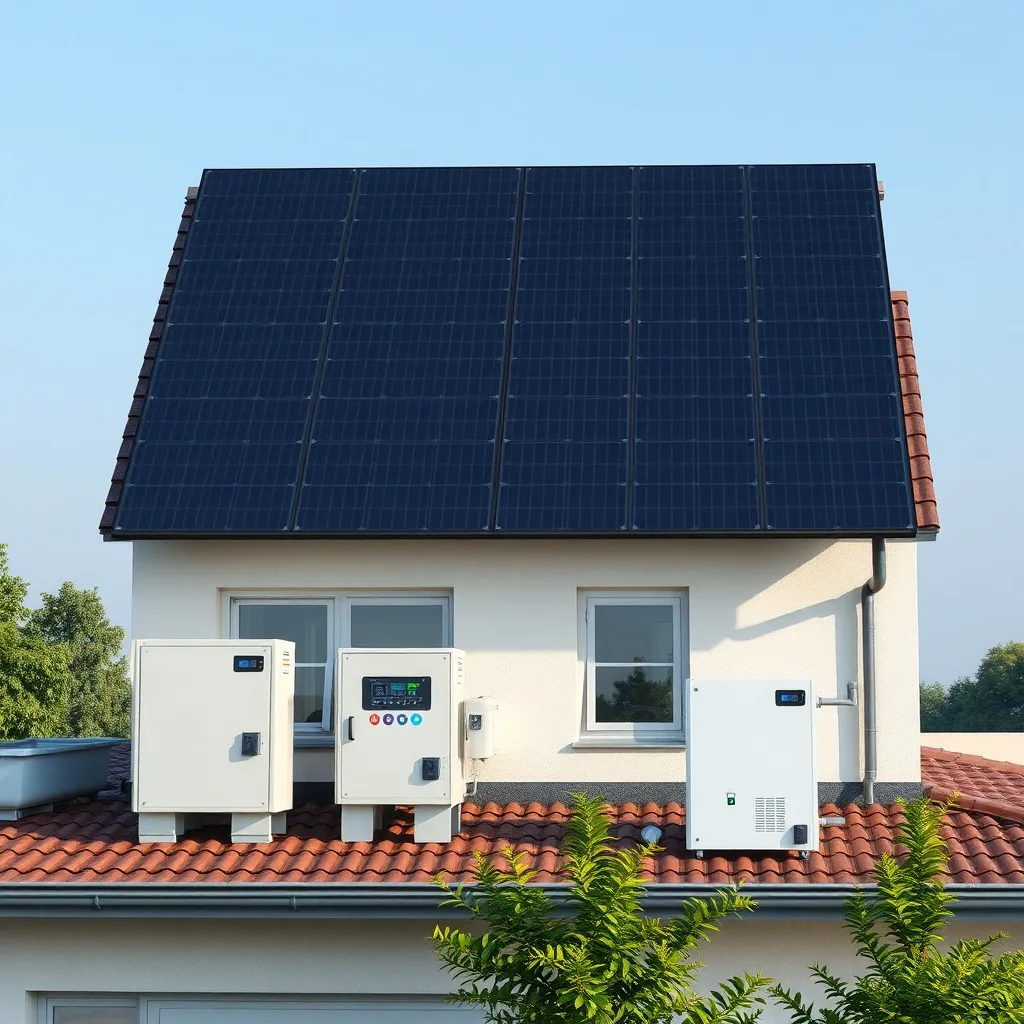
Clean energy market and policy conditions shift enough year to year that a snapshot from even two years ago can mislead a current buying or business decision. This guide tracks the market forces and policy shifts actually worth understanding in 2026. It covers domestic and export market dynamics, and the regulatory changes reshaping incentive programs. It also covers how to separate durable trends from short-term news cycles.
This is a market and policy overview, not a household buying guide – see our incentives and financing guide for the actionable household-level version of the policy landscape covered here.

Table of Contents
- The Clean Energy Market: Current State
- What Actually Drives Policy Change
- Recent Policy Shifts Worth Knowing
- Export Markets and Global Trade Dynamics
- State vs. Federal Policy: Why Both Matter
- Reading Market Signals vs. News Cycles
- 2026-2027 Outlook: What to Watch
- How Policy Affects Different Stakeholders
- Investment and Capital Flows
- Where to Find Reliable Policy Information
- Common Mistakes When Following Policy News
- Frequently Asked Questions
The Clean Energy Market: Current State
Solar and battery storage have moved from niche to mainstream capital investment categories over the past decade. Installed capacity keeps growing year over year across residential, commercial, and utility-scale segments. Growth rates and specific market conditions still vary by year and region, depending on interest rates, policy stability, and materials costs. The market is no longer primarily a story of early-adopter enthusiasm. It is increasingly driven by straightforward cost competitiveness against conventional generation. Rising retail electricity rates in many territories add to that.
What Actually Drives Policy Change
Clean energy policy shifts at both state and federal levels are typically driven by four things. Grid reliability concerns come first, as utilities and regulators balance growing distributed generation against grid stability. Cost-shift arguments come second, debating whether non-solar customers subsidize solar customers’ grid use through net metering. Third are broader budget and tax-policy cycles unrelated to energy specifically. Fourth are genuine climate and energy-security policy goals. Identifying which of these drives a specific proposed change helps predict its direction and durability. A purely budget-driven change is more likely to reverse in a future budget cycle. A change driven by a sustained grid-reliability concern tends to stick.
Recent Policy Shifts Worth Knowing
| Shift | General Direction |
|---|---|
| Net metering policy (several states) | Shift from full-retail net metering toward net billing/lower export credit rates – see our net metering guide for the mechanics |
| Federal tax credit and bonus depreciation rules | Percentages and eligibility details have changed across recent tax-policy years – always confirm current-year rules |
| Domestic content and manufacturing incentives | Growing incentive structures favoring domestically-manufactured equipment, alongside expanding domestic manufacturing capacity |
| Fixed grid-access fees for solar customers | A growing number of utilities have introduced flat monthly charges specific to net-metered customers |
Export Markets and Global Trade Dynamics
Panel and battery manufacturing remains heavily concentrated in a small number of countries globally. That shapes domestic pricing, since trade policy and tariffs affect import costs. It also shapes export market dynamics for manufacturers in other regions trying to compete. US and EU domestic manufacturing investment, discussed in our technology trends guide, is partly a response to this concentration, aimed at reducing both import dependency and trade-policy exposure over time. For most residential and small-commercial buyers, these dynamics show up as pricing and availability shifts for specific brands and product lines. The underlying trade-policy story is rarely directly visible. Ask your installer about current supply chain status close to purchase time rather than relying on general trend information.
State vs. Federal Policy: Why Both Matter
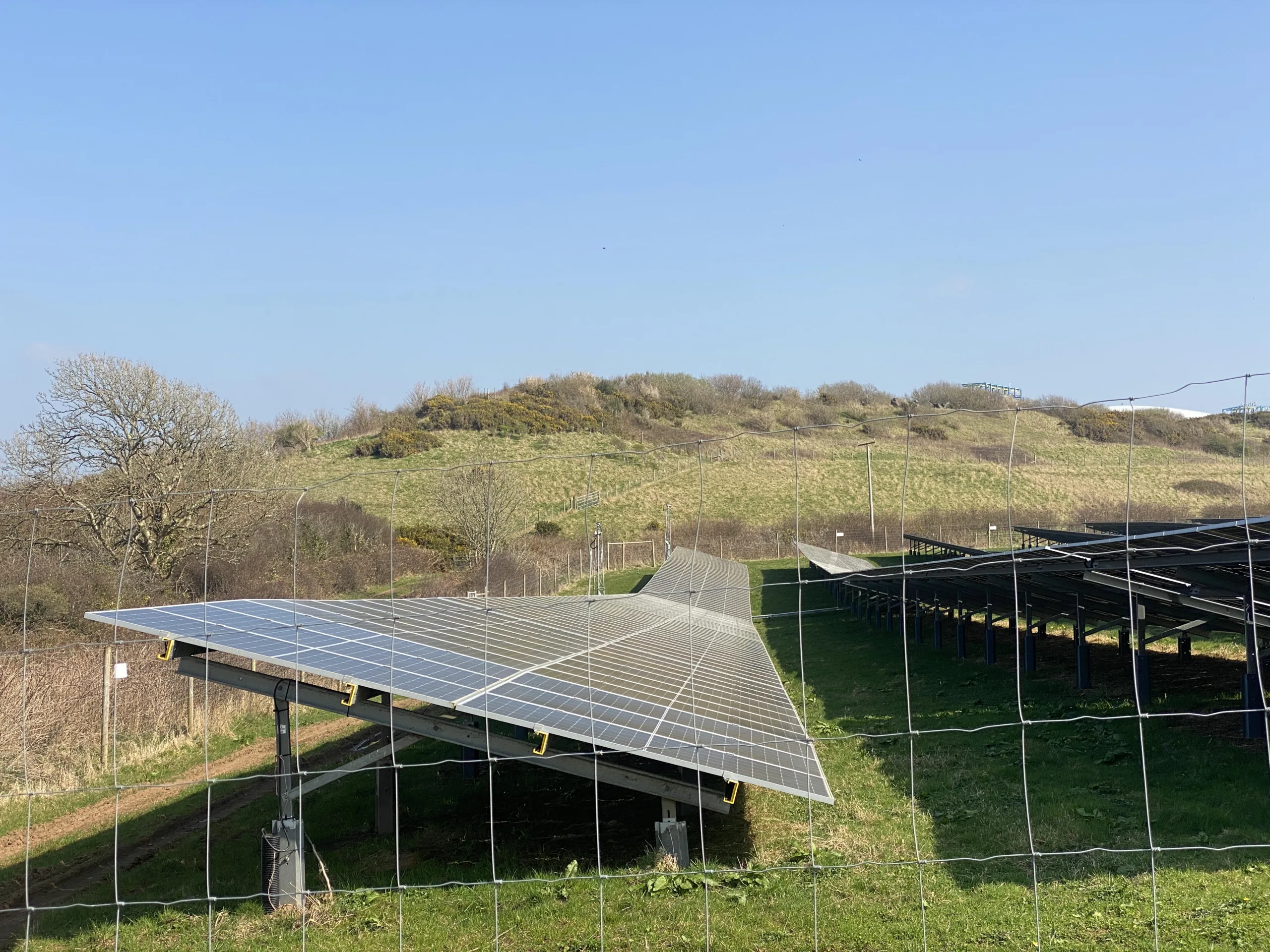
Federal policy sets a national floor through the investment tax credit and federal efficiency credits. State and utility-level policy varies enormously, covering net metering structure, state tax credits and rebates, and interconnection rules. That local layer often matters more for a specific household or business than the federal one alone. This two-tier structure explains a common confusion. A national headline saying clean energy is now cost-competitive can be true in aggregate while masking very different realities in specific states or utility territories. Always evaluate policy news at the level that actually applies to your decision. That means state and utility for net metering and rebates, and federal for the base tax credit.
Reading Market Signals vs. News Cycles
Clean energy policy and market news moves through cycles that do not always track the underlying multi-year trend. A single proposed bill, tariff announcement, or utility rate case can generate significant short-term coverage. It often represents an early-stage proposal rather than a settled outcome. Three habits help separate signal from noise. First, distinguish a proposed change from an enacted one, since many proposals do not pass as originally written or do not pass at all. Second, check whether a change applies to new customers only or affects existing ones, since grandfathering is common but not universal. Third, weight multi-year trend data over any single data point or headline.

2026-2027 Outlook: What to Watch
- Continued net metering policy evolution in states that haven’t yet transitioned to net billing, following the pattern set by early-mover states.
- Domestic manufacturing capacity expansion continuing to reshape which brands and product lines qualify for domestic-content incentives.
- Growing utility fixed-fee structures for net-metered customers as a cost-recovery mechanism, independent of per-kWh credit rate changes.
- Continued cost declines in battery storage specifically, likely to keep expanding storage attach rates even in states with weaker net-metering export value.
How Policy Changes Affect Different Stakeholders
| Stakeholder | Most Relevant Policy Areas |
|---|---|
| Homeowner considering solar | Net metering policy, federal/state tax credits, utility rebates |
| Existing solar owner | Grandfathering provisions, any new fixed grid-access fees |
| Small business | MACRS depreciation and bonus depreciation rules, commercial tax credit, demand-charge-related utility policy |
| Renter/apartment resident | Community solar enabling legislation, virtual net metering rules for multi-family buildings |
| Equipment manufacturer | Trade tariffs, domestic content incentive structures, manufacturing tax credits |
Investment and Capital Flows in the Sector
Capital investment in clean energy has grown substantially as a share of overall energy-sector investment in recent years. That covers project financing, manufacturing buildout, and grid infrastructure. The growth reflects both falling technology costs and policy support across multiple jurisdictions. This investment flow is sensitive to interest rate environments. Project financing costs rise and fall with broader rates, affecting project economics independent of any energy-specific policy change. It is also sensitive to policy stability specifically. Investors and developers generally favor jurisdictions with predictable, durable policy over ones with frequent rule changes, even when the current terms look similarly favorable on paper. This is part of why policy durability, not just current policy generosity, matters for long-term market health in a given region.
Where to Find Reliable Policy Information
For current clean energy policy information, go directly to primary sources rather than secondhand summaries, including this article over time. Your state public utilities commission covers net metering and interconnection rules. DSIRE, the Database of State Incentives for Renewables and Efficiency, is a maintained cross-state incentive reference. The IRS covers current federal tax credit and depreciation rules. Your specific utility’s tariff filings carry the most current rate and rebate program status. Secondary news coverage is useful for awareness of what’s being discussed or proposed, but a decision with real money attached deserves a primary-source check before finalizing.
Common Mistakes When Following Policy News
- Treating a proposed bill as settled policy – many proposals change substantially or don’t pass before final enactment.
- Assuming a national headline applies uniformly to your specific state/utility – policy is genuinely two-tiered; check the level that applies to your decision.
- Making a purchase-timing decision based on a single news cycle rather than confirmed, enacted policy with a known effective date.
- Ignoring grandfathering provisions when evaluating whether a policy change affects an existing installation versus only new applicants.
Frequently Asked Questions
Does a proposed policy change affect my existing solar system?
Depends on grandfathering provisions specific to the policy and your interconnection agreement – many changes apply only to new applicants going forward, but always confirm rather than assume for your specific situation.
How can I tell if clean energy policy news is settled or still a proposal?
Check whether the specific bill, tariff, or rate case has been formally enacted/approved versus merely proposed or under review – policy media coverage doesn’t always make this distinction clearly in headlines.
Why does clean energy policy vary so much by state?
Net metering, rebates, and interconnection rules are set at the state and utility level in the US, layered on top of a federal policy floor – this two-tier structure is why the same national headline can mean very different things depending on where you live.
Are trade tariffs likely to keep affecting panel and battery pricing?
Trade policy in this space has changed with some frequency in recent years and remains an active area – ask your installer for current pricing close to purchase time rather than relying on older published figures.
Why does policy stability matter as much as policy generosity for the clean energy market?
Investors and project developers generally favor predictable, durable policy environments over ones with frequent unpredictable changes, even when the current specific terms are similarly generous – stability reduces project risk independent of the headline incentive value.
Conclusion
Clean energy market and policy conditions shift meaningfully year to year. The durable trend is more reliable to plan around than any single news cycle. That trend is cost-competitive generation, expanding storage adoption, and evolving net metering structures. For the household-actionable version of the current incentive landscape, see our incentives and financing guide, and for the technology side of these market shifts, our technology trends guide.
Further reading: U.S. Energy Information Administration – Annual Energy Outlook and DSIRE – Database of State Incentives for Renewables and Efficiency.
Our next gen energy efficiency guide works through the details.
Related Posts


Leave a Comment
Your comment will be published after it has been approved. Please send comments that do not contain slang words.