
Solar Inverter Installation Cost
Solar inverter installation cost is often bundled into a single total system price on a quote, making it hard to know how much of the number is actually the inverter versus panels, racking, and labor. Breaking this out matters when comparing quotes or budgeting for a future inverter replacement separately from the original system purchase.
This guide breaks down installation cost specifically for the inverter component. It covers equipment cost by type and size, and labor cost factors. It also covers what drives cost up or down within a typical residential or small-commercial installation.
Table of Contents
- Inverter Equipment Cost by Type
- Labor Cost Factors
- A Typical Total Cost Breakdown
- What Drives Installation Cost Up or Down
- Replacement Cost vs. New Installation
- DIY vs. Professional Installation
- Getting Accurate Quotes
- Regional Labor Cost Variation
- Financing the Installation Cost
- Hidden Costs to Watch For
- Common Mistakes
- Frequently Asked Questions
Inverter Equipment Cost by Type
| Inverter Type/Size | Typical Equipment Cost |
|---|---|
| String inverter, 5-7.6kW | $1,000-$2,000 |
| Hybrid inverter, 5-10kW (battery-ready) | $2,000-$4,500 |
| Microinverters, per panel | $150-$250 per panel (adds up across the array) |
| Power optimizers, per panel plus one central inverter | $100-$180 per panel, plus $1,200-$2,500 for the central inverter |
| Off-grid-rated inverter/charger | $1,500-$6,000+ depending on surge rating and capacity |
These are equipment-only figures. Labor, wiring, and any electrical panel work are separate, covered next.
Labor Cost Factors
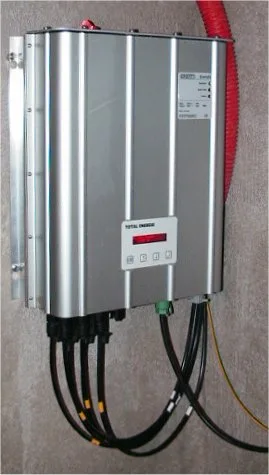
Inverter installation labor cost depends on several site-specific factors. Mounting location accessibility is one, since a wall-mounted inverter near existing electrical service is faster than one requiring a longer conduit run. Whether existing electrical panel capacity is sufficient or needs an upgrade is another. Local permitting and inspection requirements matter too. So do installer regional labor rates, which vary considerably by market. Total inverter-specific labor for a straightforward residential installation commonly runs several hundred to low thousands of dollars. It is rarely itemized separately from overall system installation labor on a typical quote.
A Typical Total Cost Breakdown
For a typical 7 to 8kW residential system, the inverter commonly represents roughly 10 to 20% of total system cost. That figure covers equipment plus its share of installation labor. Panels, racking, remaining electrical work, and permitting and overhead make up the rest. This percentage shifts meaningfully with battery storage added (increasing the inverter/hybrid-inverter cost share) or with a microinverter/optimizer architecture (spreading cost across more individual units). See our payback period calculator for how total system cost factors into your specific financial picture.
What Drives Installation Cost Up or Down
- Electrical panel capacity – an undersized panel requiring an upgrade adds meaningful cost beyond the inverter itself.
- Distance from panels to inverter to main service – longer wire runs mean more conductor and conduit cost.
- Architecture choice – string vs. hybrid vs. microinverter/optimizer, covered in our string vs. microinverter comparison.
- Battery-ready or battery-integrated requirements – hybrid inverters cost more upfront than pure grid-tie units.
- Local permitting complexity and inspection requirements – varies significantly by jurisdiction.
- Installer regional labor rates and current demand – varies by market and season.
Replacement Cost vs. New Installation
Replacing an aging inverter, commonly needed around year 10 to 15, is generally cheaper than the inverter’s share of a full new installation. Existing wiring, mounting infrastructure, and often permitting precedent are already in place. That typically leaves just equipment cost plus a more modest labor charge for the swap-out. Budget for this as a known mid-life expense, separate from your original system cost. Do not treat the original inverter purchase as a one-time cost across the panels’ full 25-year-plus life.
DIY vs. Professional Installation
Inverter installation involves high-voltage electrical work. For a grid-tied system it also involves utility interconnection approval. That generally requires licensed electrical work, and often a licensed installer specifically, for permit and interconnection purposes. DIY inverter installation is not realistic for most grid-tied systems regardless of technical skill. Code and utility requirements are the reason, not technical difficulty. Off-grid systems have somewhat more DIY flexibility in some jurisdictions, since no utility interconnection is involved. Local electrical code and safety considerations still generally call for licensed work on the actual wiring.
Getting Accurate Quotes
Ask any installer to itemize inverter equipment cost separately from panels, racking, and labor. Do not accept only a bundled total. That makes comparing quotes with different equipment choices meaningfully easier. It also helps you understand exactly what you are paying for if you are comparing architecture types, such as string versus hybrid vs. microinverter) with different cost structures.
Regional Labor Cost Variation
Installation labor rates vary considerably by US region and even by metro area within a state, driven by local cost of living, electrician demand, and permitting complexity. A straightforward inverter swap in a lower-cost-of-living region might run meaningfully less in labor than the identical job in a high-demand coastal metro. Getting multiple local quotes remains the most reliable way to understand your market’s actual pricing. A national average will not tell you. National averages, including the ranges in this guide, are a starting reference point, not a quote.
Financing the Installation Cost
Inverter cost is typically bundled into overall system financing (cash, loan, or lease/PPA) rather than financed separately, since it’s installed as part of the same project. See our incentives and financing guide for how the federal tax credit and other incentives apply to the full installed cost, inverter included – the credit is calculated against total qualifying system cost, not itemized by component.
Hidden Costs to Watch For
Beyond the headline inverter and labor cost, a few line items are easy to miss when comparing quotes. Rapid shutdown equipment is required by current electrical code in many jurisdictions, adding a modest per-panel or per-string cost. Monitoring hardware or subscription costs apply if not bundled with the inverter itself. A required utility meter upgrade or swap to a bidirectional meter is another. Permit and inspection fees vary by jurisdiction. Ask specifically whether a quote’s total price includes all of these, or whether any are billed separately. A seemingly lower quote missing these line items is not actually cheaper once they are added back in.
Common Mistakes
- Not asking for an itemized breakdown – makes comparing quotes across different equipment choices much harder.
- Forgetting to budget for a mid-life inverter replacement – a known expense around year 10-15 for most string inverters.
- Assuming DIY installation is realistic for a grid-tied system – utility interconnection requirements generally require licensed/professional work.
- Comparing quotes with different architectures on price alone – a lower-priced string inverter quote isn’t directly comparable to a microinverter quote without understanding the tradeoffs.
Frequently Asked Questions
What percentage of total solar system cost is the inverter?
Roughly 10-20% for a typical residential system, though this varies with architecture choice (microinverters spread cost differently) and whether battery-ready/hybrid capability is included.
Can I install my own solar inverter to save on labor cost?
Not realistically for a grid-tied system – utility interconnection approval generally requires licensed electrical work and often a licensed installer specifically, regardless of DIY technical skill.
How much does it cost to replace an old inverter?
Generally cheaper than the inverter’s share of a full new installation, since existing wiring and mounting infrastructure are already in place – typically equipment cost plus more modest swap-out labor.
Why do microinverter installations cost more in labor, not just equipment?
Each panel requires individual microinverter mounting and wiring on the roof, rather than one or a few central connection points, which generally adds installation time and labor cost compared to a string inverter setup.
Does upgrading my electrical panel add significant cost to inverter installation?
Yes, if your existing panel capacity is insufficient – a panel upgrade is a meaningful additional cost beyond the inverter itself, and worth confirming with an electrician before finalizing a quote.
Does inverter cost vary a lot by US region?
Labor cost specifically does, driven by local cost of living and electrician demand – equipment cost is more consistent nationally, but get local quotes rather than relying on a national average for total installed cost.
Is the inverter cost included in the federal solar tax credit?
Yes – the credit applies to total qualifying installed system cost, inverter included, not itemized separately by component.
Conclusion
Solar inverter installation cost is driven by equipment type, site-specific labor factors, and any needed electrical panel work. Ask for an itemized breakdown rather than relying on a single bundled total. And budget separately for an eventual mid-life inverter replacement. See our string vs. microinverter comparison and payback period calculator for the related decisions this cost feeds into.
Further reading: U.S. Department of Energy – Homeowner’s Guide to Going Solar and Wikipedia – Solar inverter.
We take this further in our solar inverter replacement cost guide.
Related Posts

Leave a Comment
Your comment will be published after it has been approved. Please send comments that do not contain slang words.