
Space-Based Solar Power
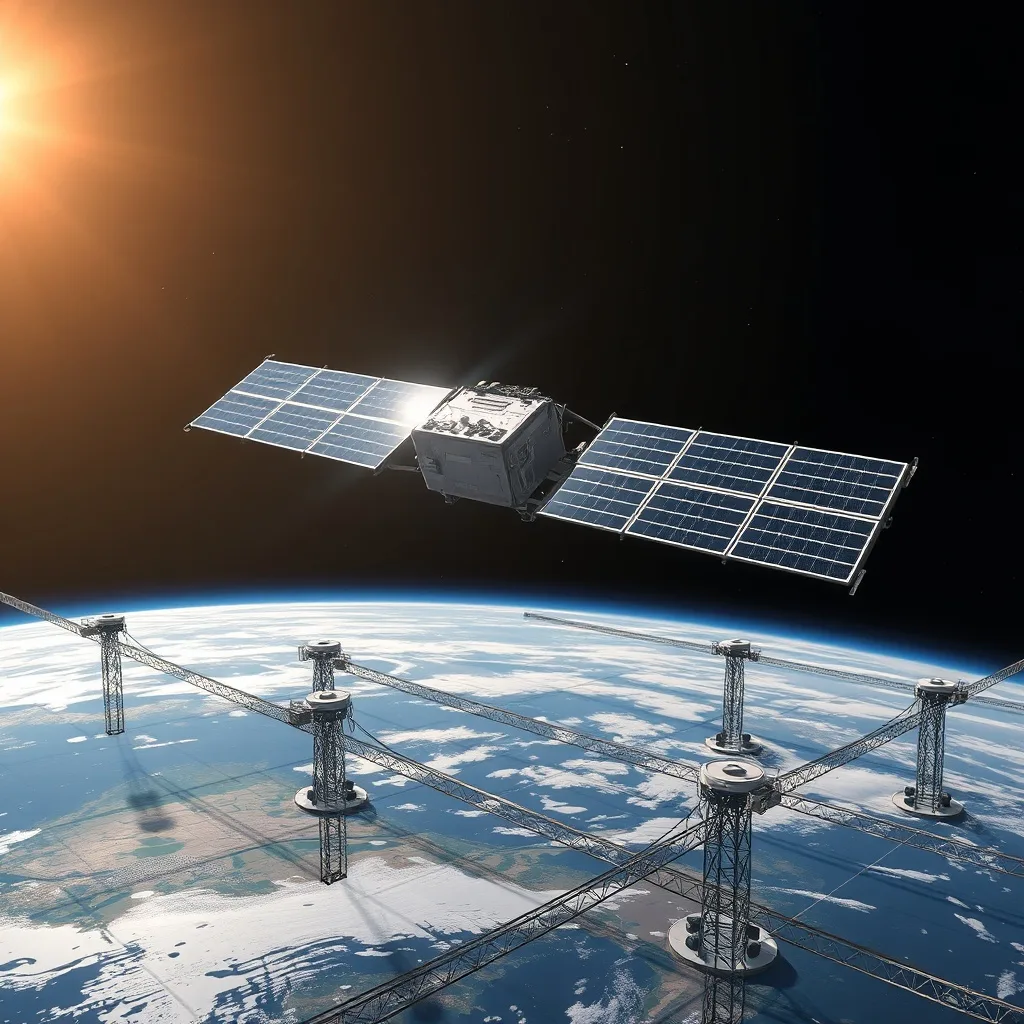
Space-based solar power — collecting solar energy in orbit and beaming it to Earth — remains an experimental concept, not a deployed technology, despite periodic headlines suggesting otherwise.
Table of Contents
- The Basic Concept
- Why It’s Theoretically Appealing
- Major Unsolved Challenges
- Current Research Status
- Frequently Asked Questions
The Basic Concept
The idea involves large solar collector satellites in orbit, where sunlight is available continuously without weather, atmosphere, or day/night interruption, converting captured energy into microwaves or lasers beamed to a receiving station on Earth, which then converts it back into usable electricity.
Why It’s Theoretically Appealing
Orbital solar collection avoids the two biggest limitations of ground-based solar: weather/cloud cover and the day-night cycle. In theory, this could provide constant, weather-independent power generation — a genuinely different value proposition than any Earth-based renewable source.
Major Unsolved Challenges
| Challenge | Why It’s Difficult |
|---|---|
| Launch cost | Massive structures require enormous launch mass and cost |
| Wireless power transmission efficiency | Significant energy loss over the beam distance |
| Receiving station land area | Large ground receiver footprint required |
| In-orbit assembly/maintenance | No proven method for structures at this scale |
Current Research Status
Several space agencies and research institutions have conducted small-scale demonstration tests of wireless power transmission specifically, but nothing approaching commercial-scale deployment exists today. This remains a longer-horizon research area rather than a near-term addition to the energy mix — worth watching, not worth planning around for current energy decisions.
Frequently Asked Questions
Is space-based solar power available today?
No, it remains an experimental research concept with only small-scale demonstration tests conducted so far.
What’s the biggest obstacle to space-based solar?
Launch cost for the massive structures required is generally considered the largest practical barrier, alongside transmission efficiency.
How would the power actually reach Earth?
Via wireless transmission, typically proposed as microwaves or lasers, to a large ground receiving station.
Would this replace ground-based solar?
Even in optimistic scenarios, it would likely supplement rather than replace ground-based renewable generation.
Is any country actively developing this commercially?
Various research programs exist globally, but none have reached commercial-scale deployment as of now.
For proven utility-scale solar technology available today, see our utility-scale solar guide. For grid-scale storage that addresses similar continuity goals, see our utility-scale energy storage guide.
For the full breakdown, see our virtual power plants solar guide.
Related Posts
Leave a Comment
Your comment will be published after it has been approved. Please send comments that do not contain slang words.