
Virtual Power Plants Solar
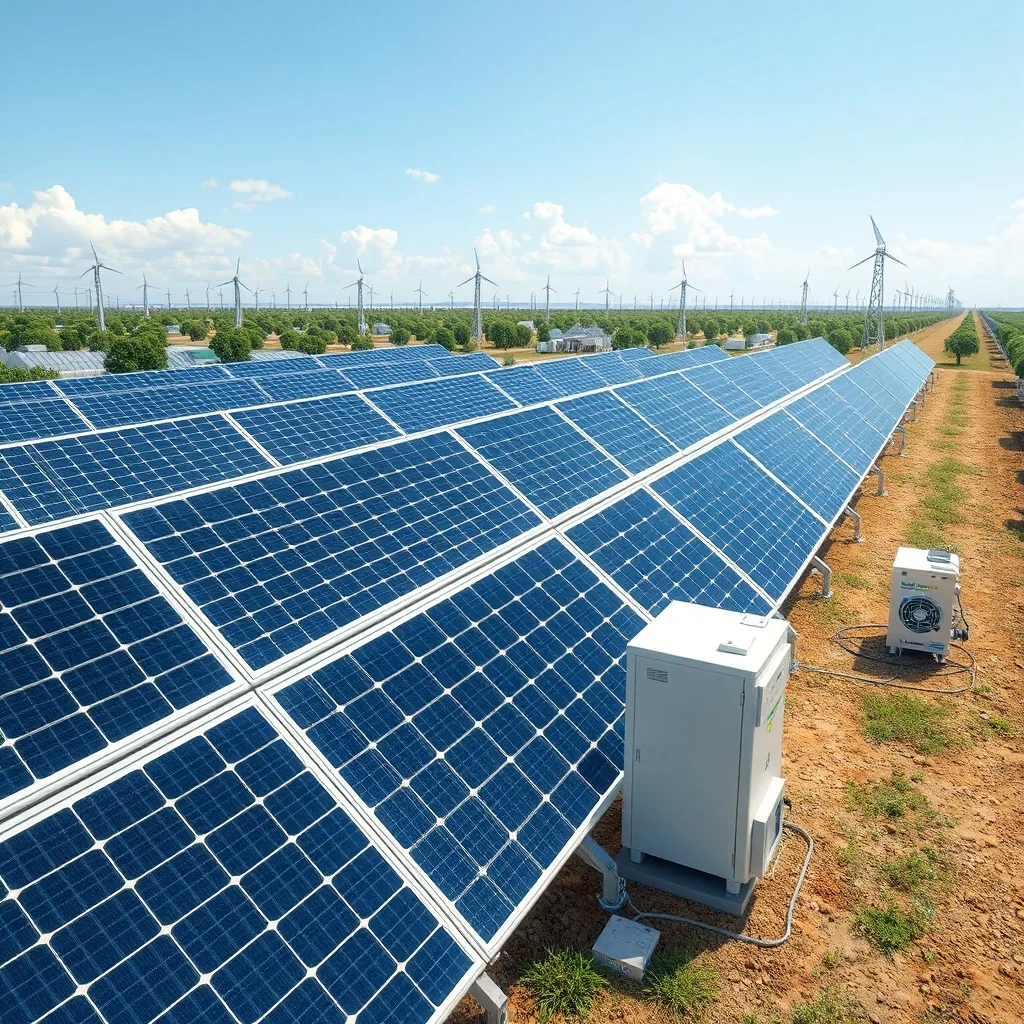
A virtual power plant (VPP) is a fleet of small, distributed energy resources, such as rooftop solar, home batteries, electric vehicle chargers, smart thermostats and water heaters, coordinated by software so the grid can use them as if they were one power station. Solar is the fuel, batteries are the muscle, and the aggregator’s software is the control room. This guide explains how a solar VPP works, what the grid pays for, how homeowners enrol and what they earn, why utilities want them, and where the model is still immature.
Table of Contents
- What a Virtual Power Plant Is
- How a Solar VPP Works, Step by Step
- What the Grid Pays For
- Joining a VPP as a Homeowner
- Why Utilities and Grid Operators Want VPPs
- Limits, Risks and Open Questions
- FAQ
What a Virtual Power Plant Is
A VPP does not generate anything new. It coordinates equipment that already exists in homes and businesses so that the total behaves predictably on command. The U.S. Department of Energy’s Loan Programs Office describes VPPs as a connected aggregation of distributed energy resource technologies that offers deeper integration of renewables and demand flexibility, on its virtual power plants page.
The word “virtual” refers to the plant, not the power. When an aggregator tells 5,000 home batteries to discharge 5 kW each at 6 p.m., 25 MW of real power flows into the grid from real inverters. The grid operator sees one dispatchable resource; the homeowners see a payment on their bill.
How a Solar VPP Works, Step by Step
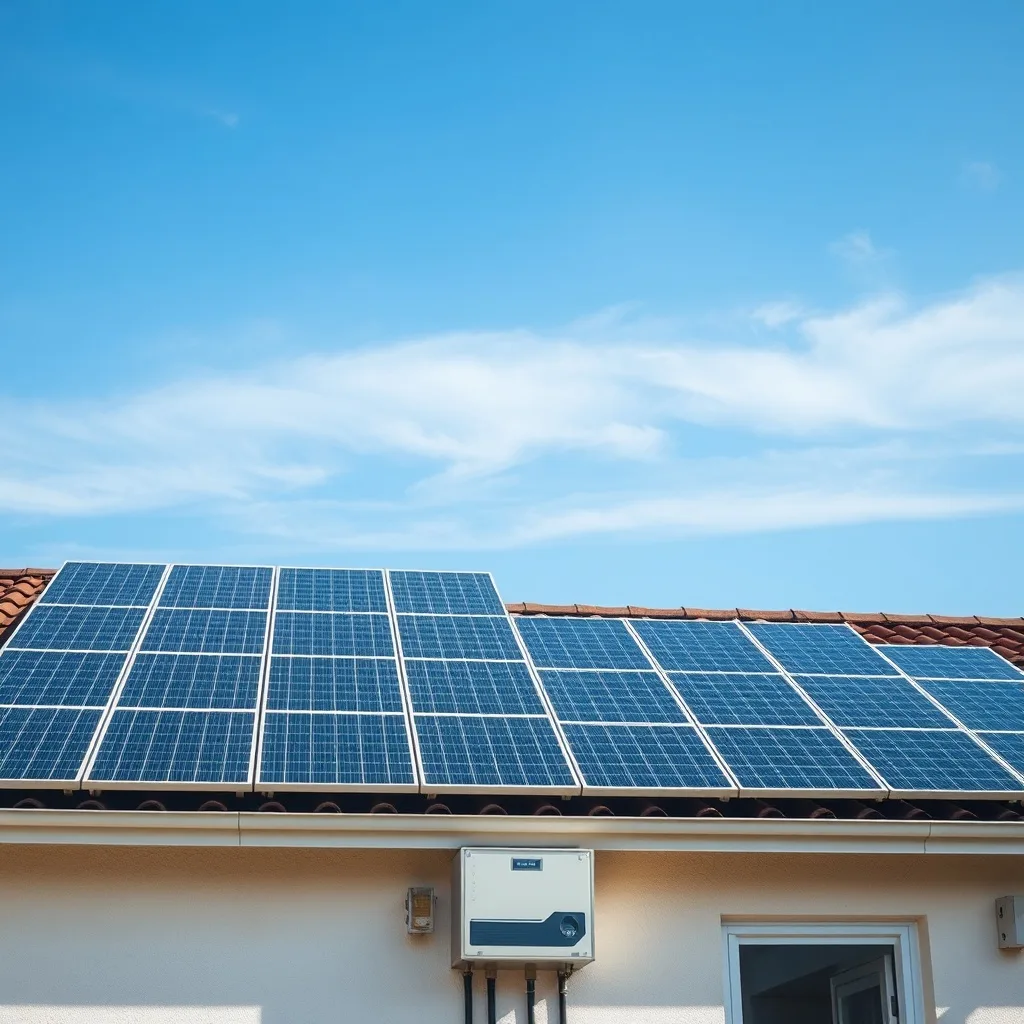
Every solar VPP has the same five layers, whether it is run by a utility, a battery manufacturer or an independent aggregator.
| Layer | What it does | Typical example |
|---|---|---|
| 1. Assets | Generate, store or shift electricity at the customer’s site | Rooftop solar, home battery, EV charger, heat pump, smart thermostat |
| 2. Connectivity | Lets each asset be monitored and controlled remotely | Inverter and battery gateways, thermostat Wi-Fi, charger apps |
| 3. Aggregation platform | Forecasts what the fleet can deliver and dispatches it | Software run by the aggregator, using weather and price forecasts |
| 4. Market or utility interface | Bids the fleet into a program or market and settles payments | Utility demand response program, wholesale capacity market, emergency events |
| 5. Customer terms | Defines what the aggregator may do and what the customer earns | Enrolment contract with reserve limits, event caps and payment rates |
On a typical summer day the sequence looks like this. Overnight, the platform forecasts tomorrow’s solar production, household demand and grid prices. In the morning, batteries charge from rooftop solar as usual. In the afternoon, the grid operator calls a peak event for 5 to 8 p.m. The platform tells enrolled batteries to hold charge until the event, then discharge into the home and grid during it, while thermostats pre-cool homes before the window and ease off during it. After the event, the platform measures what each asset delivered against its baseline and credits the customer.
Solar inverters and batteries can do this because modern inverters already provide grid services on command; the DOE’s inverters and grid services basics explains the underlying capabilities. The VPP simply coordinates thousands of them.
What the Grid Pays For
A VPP earns money by selling the same services a conventional plant sells, minus energy in most cases. The value is highest when the grid is stressed, which is why events cluster on the hottest and coldest days.
- Capacity. Being available to reduce demand or inject power during the year’s peak hours. This is the main revenue for most residential VPPs and is paid per kW of committed capability.
- Demand response. Reducing load on request during specific events, paid per event or per kWh reduced. Utility programs of this kind are described in the DOE’s overview of demand response and time-variable pricing programs.
- Energy arbitrage. Charging when power is cheap and discharging when it is expensive, where the customer is on a time-of-use tariff.
- Ancillary services. Fast frequency response or voltage support, offered by fleets of batteries in markets that admit aggregated resources.
- Deferred grid upgrades. A utility pays a VPP in a congested area to avoid building a new substation or feeder; this is a location-specific and growing use.
In the United States, a 2020 federal order required organised wholesale markets to allow aggregated distributed resources to participate, which opened the market layer to VPPs. Implementation differs by region and is still rolling out, so what a VPP can sell depends heavily on where it is.
Joining a VPP as a Homeowner
Joining a VPP usually means having an eligible battery or smart device, living in a utility territory with a program, and agreeing to let the aggregator control the device within limits. The main things to check before enrolling:

| Question | Why it matters | What a fair answer looks like |
|---|---|---|
| How is payment calculated? | Programs pay per kW enrolled, per event, per kWh delivered, or as an up-front rebate | Clear formula, with an example, and a statement of how many events to expect |
| What reserve can I keep? | You want backup capacity left in the battery during an outage risk | A user-set reserve, commonly 20 percent or more, that the aggregator will not touch |
| How many events and how long? | Cycling affects battery life and comfort | A cap on events per season and hours per event, written in the contract |
| Can I opt out of an event? | Life happens; you may need the battery | Opt-out allowed with at most a small payment reduction |
| Does it affect my warranty? | Extra cycles could void some warranties | Manufacturer-run or manufacturer-approved programs, with warranty explicitly preserved |
| What data is shared? | The aggregator sees your consumption pattern | A privacy policy that limits use to program operation |
Earnings vary by program and region. Some pay an up-front rebate that offsets part of the battery cost; others pay per season. Treat VPP income as a bonus that improves the economics of a battery you wanted anyway for backup or time-of-use savings, not as the reason to buy one. Sizing and product choices are covered in our guide to the best energy storage systems for home.
Why Utilities and Grid Operators Want VPPs
Utilities want VPPs because they can be built faster and cheaper than the alternatives at peak. A gas peaker or a new feeder takes years of permitting and construction; a VPP can enrol capacity in months from equipment customers are buying anyway. The benefits from the grid’s side:
- Peak shaving. Reducing the few hundred hours a year that set the cost of the whole system.
- Absorbing midday solar. Directing batteries and EV chargers to soak up excess rooftop production instead of curtailing utility-scale plants or driving voltage up on feeders.
- Locational relief. Targeting enrolment to specific overloaded feeders.
- Resilience. Batteries that also island homes during outages reduce the cost of storms to customers even when the VPP is not being dispatched.
- Customer-funded capital. The utility pays for performance, not for the hardware.
The same logic that makes storage the pacing item for high-solar grids, described in our look at the future of renewable energy storage, makes VPPs attractive: they turn thousands of small storage decisions into one large, controllable resource.
Limits, Risks and Open Questions
VPPs are proven in principle and still maturing in practice. The recurring problems are:
- Forecast reliability. A grid operator needs to know the fleet will deliver. Customer opt-outs, offline gateways and Wi-Fi failures reduce delivered capacity below enrolled capacity, so aggregators discount their bids.
- Interoperability. Every battery, charger and thermostat brand has its own control interface. Standards are improving but a mixed fleet still needs custom integration.
- Baseline gaming. Paying for load “reduction” requires estimating what the customer would have used, which is imprecise and can be manipulated.
- Market access. Rules for aggregated resources differ by region and some markets still limit participation in practice.
- Battery wear and trust. Customers worry about extra cycles and about losing backup capacity. Programs with clear reserves and event caps retain customers; opaque ones lose them.
- Cybersecurity. Remote control of thousands of inverters is a target. Aggregators and manufacturers need to treat their control platforms as critical infrastructure.
None of these is fatal, and each is being addressed by better software, standards and contract design. For the wider grid context in which VPPs compete with large plants, see our utility-scale solar guides and the overview of smart energy systems.
FAQ
What is a virtual power plant in simple terms?
A fleet of home solar systems, batteries and smart devices coordinated by software so the grid can use them together as one controllable power source.
Do I need a battery to join a VPP?
Not always. Some programs enrol smart thermostats, water heaters or EV chargers alone. Batteries earn the most because they can inject power, not just reduce demand.
How much can I earn from a VPP?
It depends on the program: some pay an up-front rebate, others pay per kW enrolled or per event each season. Treat it as a bonus on top of backup and bill savings.
Will a VPP drain my battery when I need it?
Good programs let you set a reserve that the aggregator cannot use and allow opt-outs. Read the reserve and event-cap terms before enrolling.
Does joining a VPP void my battery warranty?
Manufacturer-run or approved programs preserve the warranty. Third-party programs should state warranty treatment in writing; if they do not, ask.
Why do utilities pay for VPPs?
Because coordinated home batteries and devices can meet peak demand faster and cheaper than building new plants or grid upgrades, and the utility pays only for performance.
Related Posts

Leave a Comment
Your comment will be published after it has been approved. Please send comments that do not contain slang words.