
Challenges of utility scale solar
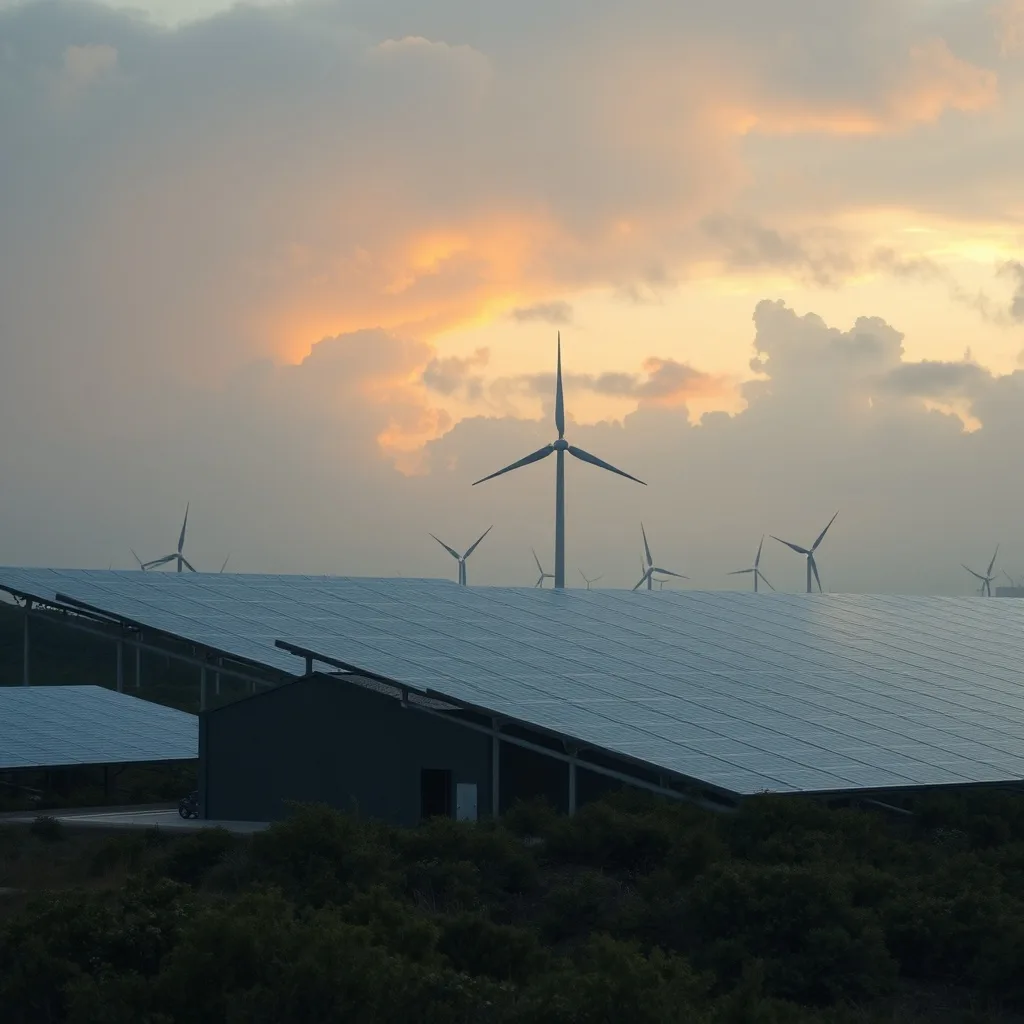
Utility-scale solar faces real, distinct challenges beyond simple financing — land use conflicts, interconnection bottlenecks, and community opposition all shape whether and how projects actually get built.
Table of Contents
- Land Use Challenges
- The Interconnection Bottleneck
- Major Challenges Summarized
- Community Opposition
- Frequently Asked Questions
Land Use Challenges
Utility-scale solar requires significant land area — often thousands of acres for a large project — competing with agriculture, conservation, and other land uses. Agrivoltaics (combining solar with agricultural use on the same land) has emerged partly as a response to this specific tension, though it doesn’t fully resolve it.
The Interconnection Bottleneck
Grid interconnection queues have become the industry’s most cited challenge as renewable development has accelerated faster than grid infrastructure and study processes can keep pace. Some regions now see multi-year interconnection study backlogs, delaying otherwise-ready projects significantly.
Major Challenges Summarized
| Challenge | Impact |
|---|---|
| Land use competition | Conflicts with agriculture/conservation land |
| Interconnection queue delays | Multi-year delays in some regions |
| Community opposition | Can stall or block permitting locally |
| Transmission infrastructure gaps | Best solar sites often far from existing transmission lines |
Community Opposition
Local opposition to large solar projects — often citing visual impact, land use change, or property value concerns — has become a meaningful factor in project timelines and even outright cancellations in some cases. Developers increasingly engage communities earlier in the process specifically to address this, with mixed success depending on the specific project and location.
Frequently Asked Questions
What’s the biggest challenge facing utility-scale solar today?
Interconnection queue delays are the most commonly cited industry-wide bottleneck currently.
Does utility-scale solar compete with farmland?
Yes, this is a real tension, which agrivoltaics partially addresses by combining solar with agricultural use.
Can communities actually block a solar project?
Yes, local opposition and permitting authority can meaningfully delay or in some cases prevent projects.
Why does transmission infrastructure matter for solar sites?
The best solar resource areas are often far from existing transmission lines, adding significant project cost.
Are these challenges unique to solar, or true of all utility-scale renewables?
Similar challenges affect wind and other utility-scale renewable projects, though specifics vary by technology.
For the grid connection process specifically, see our solar farm grid connection guide. For land-sharing solutions, see our agrivoltaics guide.
Related Posts
Leave a Comment
Your comment will be published after it has been approved. Please send comments that do not contain slang words.