
Are home solar systems reliable
Are Home Solar Systems Reliable in 2026?
Are home solar systems reliable enough to power modern households during rising electricity instability, heatwaves, and grid pressure? That question is no longer theoretical. During recent renewable energy conferences in Munich and Abu Dhabi, utility planners and residential installers repeatedly highlighted the same issue: homeowners are no longer buying solar panels only to reduce electricity bills. Reliability, energy resilience, and long-term independence are becoming equally important purchasing factors.
In parts of California, Texas, and Southern Europe, grid instability and peak demand events have increased homeowner interest in residential solar battery systems. Modern photovoltaic technology has evolved dramatically compared to systems installed a decade ago. Higher-efficiency panels, smarter inverters, lithium iron phosphate batteries, and AI-powered energy management systems are transforming how residential solar operates under real-world conditions.
Still, reliability concerns remain common. Many homeowners worry about battery degradation, winter production, inverter failure, long-term maintenance, and whether solar systems can truly support modern electricity usage during outages or unstable grid conditions. The reality is more nuanced than many marketing campaigns suggest.
Why Residential Solar Reliability Matters More Than Ever
Residential solar adoption is accelerating worldwide because electricity infrastructure is under increasing pressure. Population growth, electric vehicle charging demand, data center expansion, electrified heating systems, and industrial decarbonization are dramatically increasing electricity consumption across major economies.
In the United States, utility operators in California and Texas continue facing seasonal peak-load stress during extreme heat events. Europe has simultaneously experienced energy price volatility and grid modernization challenges following shifts in natural gas supply dynamics. Australia continues expanding rooftop solar faster than almost any developed market globally, while India is rapidly increasing residential photovoltaic deployment to reduce urban electricity shortages.
- Grid instability is increasing globally
- Battery-backed systems are gaining popularity
- Energy resilience is becoming a priority
- Utility pressure is accelerating rooftop solar demand
How Modern Home Solar Systems Work
(Budgeting a new system? Start with 2026 pricing in our solar panel cost guide.)
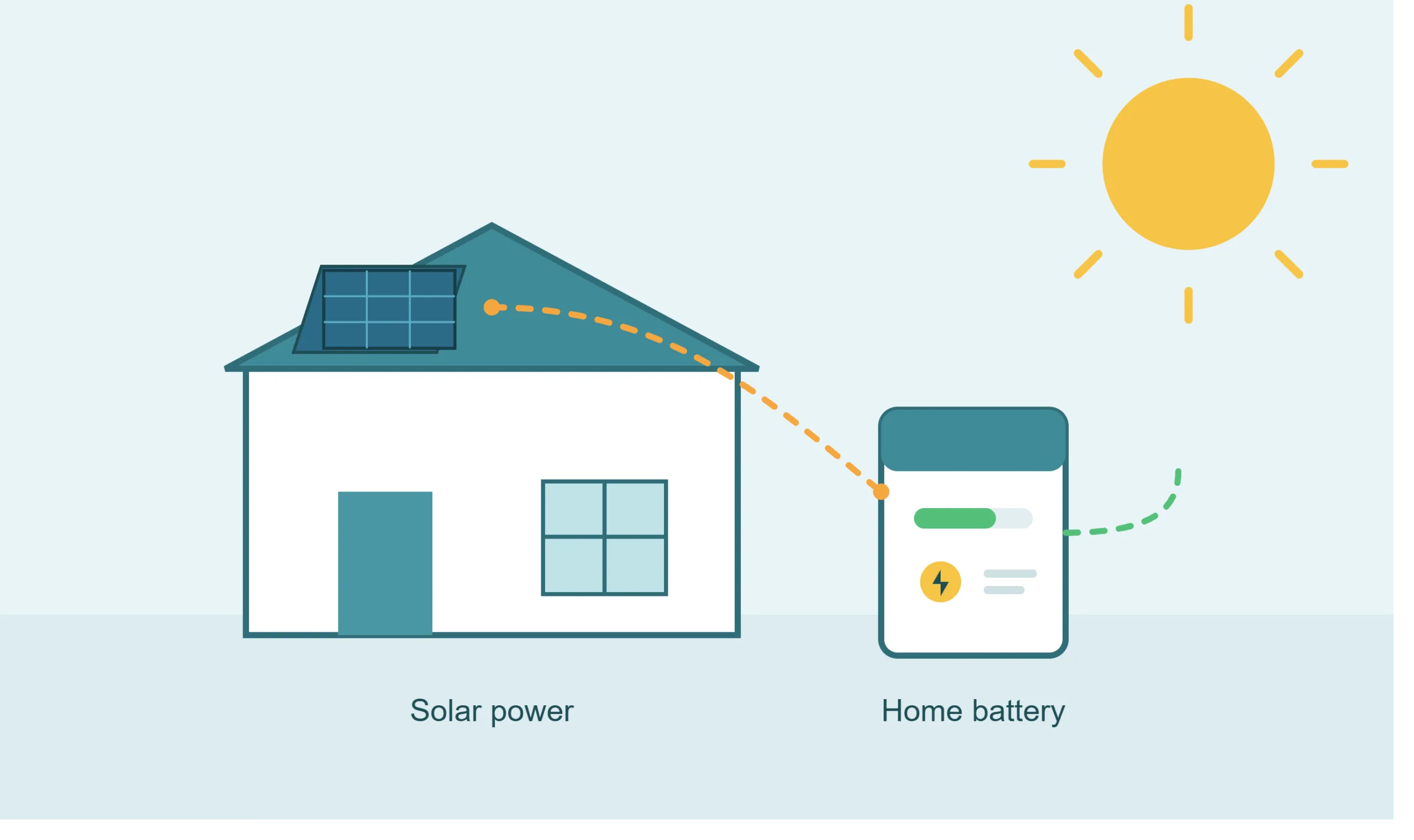
Modern home solar systems are no longer simple rooftop panel installations. Most advanced systems now combine photovoltaic panels, smart inverters, battery storage, AI energy management software, and grid integration technologies.
Complete residential systems usually include:
- Photovoltaic solar panels
- Hybrid solar inverter systems
- Battery storage units
- Smart monitoring platforms
- Electrical protection systems
- Energy optimization software
Solar Panels Usually Last Longer Than Expected
Solar panels themselves are often the most reliable part of home solar systems. Most Tier-1 photovoltaic manufacturers now offer 25-year performance warranties while maintaining low degradation rates.
Modern TOPCon and bifacial solar panels can maintain more than 85% of original performance after decades of operation under moderate climate conditions.
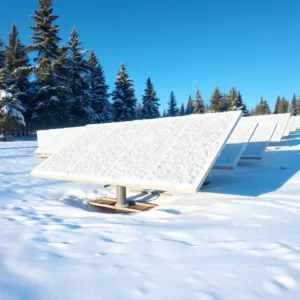
However, climate still matters. High heat exposure, humidity, dust accumulation, and salt corrosion can significantly affect long-term photovoltaic reliability in harsh regions.
Battery Storage Changes Solar Reliability Completely
The biggest transformation in residential solar reliability comes from energy storage integration. Traditional grid-tied systems often shut down during outages. Modern battery-backed systems can continue operating independently during blackouts.
Systems using solar battery storage are increasingly becoming the preferred option for homeowners looking for both cost savings and energy resilience.
LFP Batteries Are Becoming the Industry Standard
Lithium iron phosphate batteries are rapidly becoming the dominant residential storage chemistry because they offer:
- Improved thermal stability
- Longer cycle life
- Lower fire risk
- Better long-term degradation resistance
- Higher operational reliability
Battery degradation still remains unavoidable over time. Even premium systems slowly lose storage capacity after years of charging cycles, especially under extreme temperatures.
Regions such as Arizona, Dubai, and parts of Australia create far more thermal stress compared to cooler European climates.
Can Home Solar Systems Work During Blackouts?
This remains one of the most misunderstood parts of residential solar.
Most grid-tied systems automatically shut down during utility outages unless homeowners install battery backup systems combined with hybrid solar inverter technology.
Hybrid systems can isolate homes from the utility grid while continuing to provide electricity through battery-supported operation.
That capability is becoming increasingly valuable in regions exposed to:
- Wildfire shutdowns
- Grid instability
- Storm damage
- Transmission congestion
- Heatwave-driven electricity shortages
California provides one of the clearest examples of this transition. Battery-supported residential home solar systems continue rising rapidly because homeowners increasingly prioritize outage protection.
Grid Integration Creates New Challenges
One issue rarely discussed in mainstream residential solar marketing is grid integration complexity.
As rooftop solar adoption expands, utilities face increasing balancing challenges caused by distributed energy variability.
Australia has already experienced periods where excessive midday solar generation created operational stress for local electricity grids.
Utilities are increasingly investing in:
- Smart grid technology
- Virtual power plants
- Distributed battery coordination
- AI energy management
- Dynamic electricity pricing
Systems integrated with smart grid technology are expected to become far more efficient and reliable over the next decade.
Regional Reliability Differences Around the World
United States
The United States continues expanding residential solar rapidly, especially in California, Texas, Arizona, and Florida.
Reliability concerns in the U.S. increasingly focus on:
- Extreme heat
- Grid outages
- Battery backup systems
- Hurricane exposure
- Insurance costs
Europe
European residential solar adoption accelerated sharply following energy price volatility and energy security concerns.
Germany, Spain, Italy, and the Netherlands continue investing heavily in distributed photovoltaic systems.
European systems generally benefit from moderate temperatures and strong utility infrastructure, although winter production limitations remain important in Northern Europe.
China
China dominates photovoltaic manufacturing and continues expanding distributed residential solar infrastructure aggressively.
Chinese solar reliability advantages increasingly come from:
- Large-scale manufacturing
- Advanced battery supply chains
- Lower hardware costs
- Rapid inverter innovation
Middle East
The Middle East combines extraordinary solar generation potential with severe thermal reliability challenges.
Extreme temperatures accelerate:
- Battery degradation
- Inverter stress
- Dust accumulation
- Solar panel efficiency losses
India
India’s residential solar growth is increasingly driven by electricity instability and rising urban demand.
Battery-supported home solar systems are becoming attractive for backup power, electricity cost reduction, and long-term energy independence.
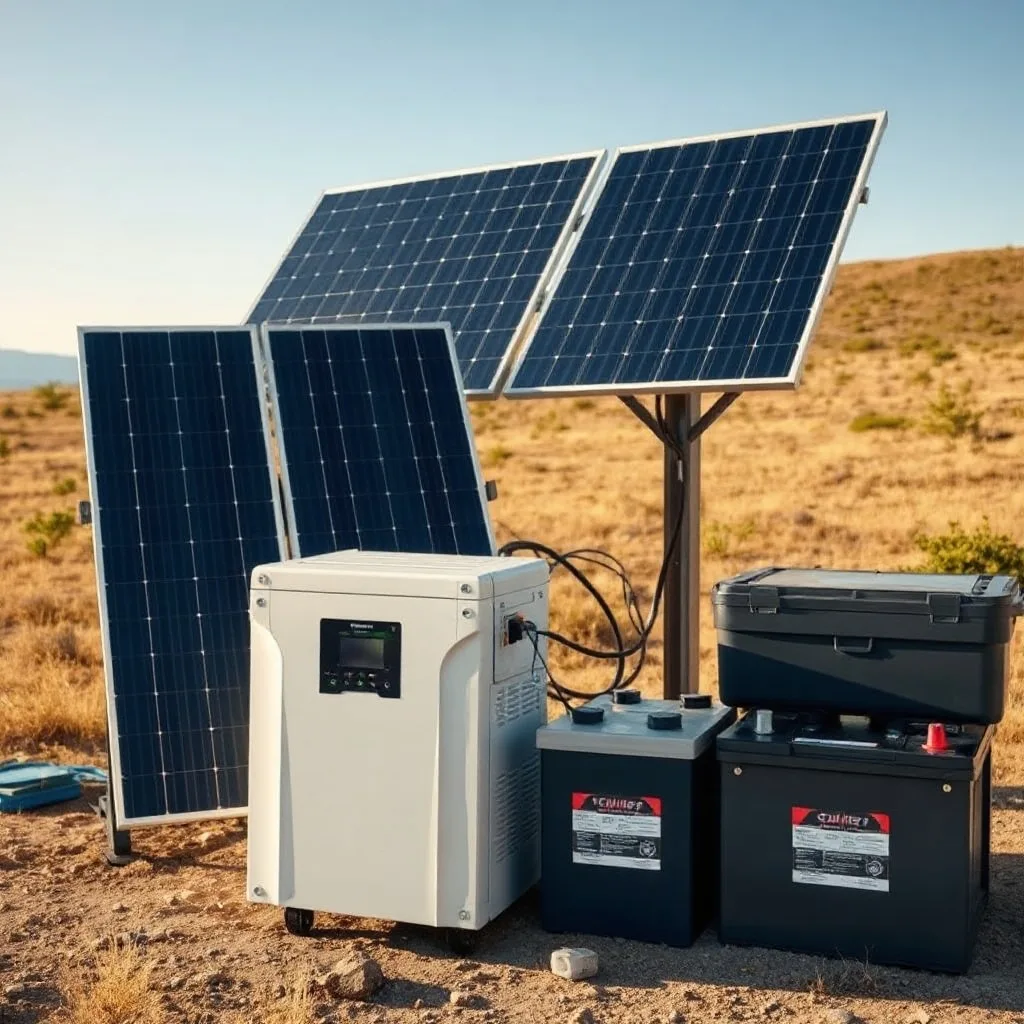
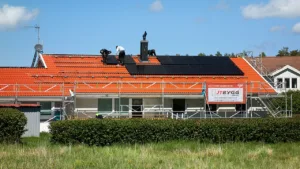
Installer Quality Often Determines Reliability
One of the least discussed realities in residential solar is installer quality.
Many system failures are not caused by the solar panels themselves. Problems often result from:
- Incorrect inverter sizing
- Poor electrical work
- Weak roof integration
- Improper cable management
- Insufficient ventilation
- Bad battery configuration
Even premium hardware can underperform under weak installation practices.
Experienced installers consistently emphasize that system design matters just as much as hardware quality.
Solar Reliability and Electric Vehicle Charging
The growth of electric vehicles is changing residential solar reliability discussions significantly.
Modern households now consume more electricity because of:
- EV charging
- Heat pumps
- Smart appliances
- Battery storage systems
- Electrified heating
Residential systems designed ten years ago may struggle to support future household electricity demand efficiently.
That reality is pushing homeowners toward:
- Larger photovoltaic systems
- Expanded battery storage
- Smarter inverter technology
- Load balancing systems
- AI-driven energy optimization
Comparison Table: Key Reliability Factors
| Category | Details | Impact |
| Solar Panels | Tier-1 photovoltaic modules | Higher long-term durability |
| Battery Chemistry | LFP battery systems | Improved thermal stability |
| Climate Conditions | Heat and humidity exposure | Accelerated degradation risk |
| Installer Quality | Correct system sizing and wiring | Major reliability difference |
| Grid Integration | Smart grid compatibility | Better flexibility and resilience |
| Maintenance | Monitoring and inspections | Protects long-term performance |
Future Reliability Trends in Residential Solar
Residential solar reliability is expected to improve significantly during the next decade because of:
- Advanced battery chemistries
- Smarter inverter systems
- AI energy optimization
- Virtual power plants
- Distributed energy coordination
- Bidirectional EV charging
Systems connected to virtual power plants may eventually allow homeowners to participate directly in grid balancing markets while improving overall residential energy reliability.
At the same time, growing electricity demand from AI infrastructure, electric vehicle adoption, and industrial electrification will likely place additional stress on national grids worldwide.
Sources
The National Renewable Energy Laboratory continues publishing research regarding photovoltaic reliability, battery systems, and distributed energy integration.
The International Energy Agency regularly analyzes global residential solar trends, electricity demand growth, and renewable energy transition forecasts.
The U.S. Department of Energy also provides detailed research regarding energy storage systems, inverter technologies, and smart grid infrastructure.
Frequently Asked Questions
Are home solar systems reliable during outages?
Modern battery-backed systems using hybrid inverters can continue operating during outages while traditional grid-tied systems usually shut down automatically.
How long do residential solar panels usually last?
Most modern photovoltaic panels are designed to operate for 25 to 30 years while maintaining strong energy production performance.
Do solar batteries degrade over time?
Yes. All battery systems gradually lose capacity over time, although modern LFP batteries offer improved long-term durability.
Can home solar systems support EV charging?
Modern residential systems can support EV charging effectively if properly sized with adequate photovoltaic generation and battery storage capacity.
What is the biggest reliability risk?
Installer quality remains one of the most important reliability variables because poor electrical integration can create serious long-term system issues.
The Long-Term Outlook for Residential Solar
Residential solar systems are becoming increasingly reliable, but the market is also becoming more technically advanced.
The future of residential energy will likely depend on intelligent systems combining photovoltaic generation, battery storage, smart grid coordination, electric vehicle charging, and AI-driven energy optimization.
Rooftop solar is gradually evolving from a simple cost-saving technology into a critical part of future energy resilience infrastructure.
Homeowners investing in properly engineered systems with strong battery integration and smart energy management technologies are likely to experience stable long-term performance even as electricity infrastructure becomes increasingly stressed worldwide.
That shift may ultimately redefine how residential solar reliability is measured during the next decade.
The bottom line on whether home solar systems are reliable: the hardware question was settled years ago — the panels in home solar systems routinely outlast their 25-year warranties. What separates dependable home solar systems from disappointing ones today is the inverter choice, the installer’s workmanship, and whether storage backs up the loads that matter. Get those three right and home solar systems quietly become the most reliable part of the house — which is why insurers and lenders now treat well-installed home solar systems as an asset rather than a risk.
There is more detail on this in our renewable energy home solutions guide. We take this further in our smart home solar tips guide.
Reliability starts with upkeep; the full list is in all our maintenance guides.
Related Posts
Leave a Comment
Your comment will be published after it has been approved. Please send comments that do not contain slang words.