
Solar Inverter vs Power Optimizer
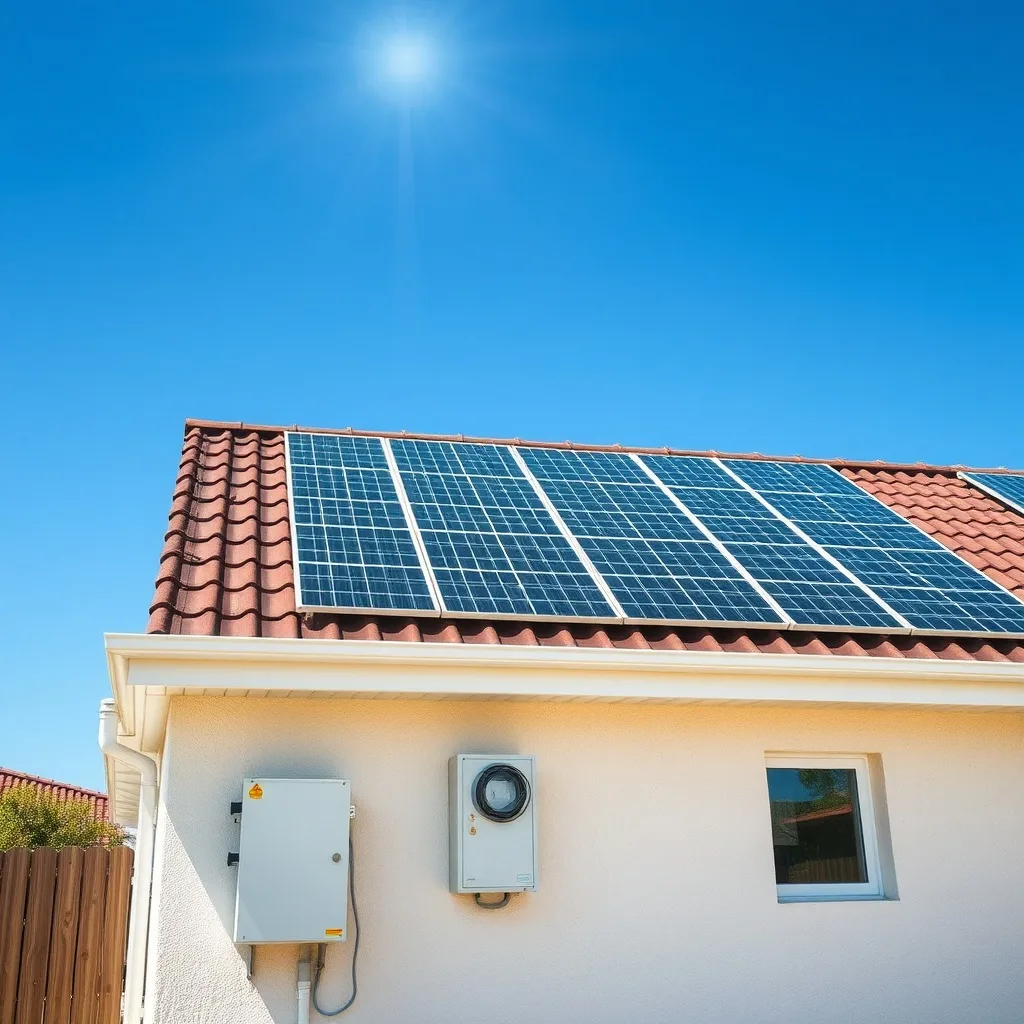
Power optimizers and string inverters solve the shading problem differently than microinverters do, sitting in between full string simplicity and full microinverter independence.
Table of Contents
- How do power optimizers work?
- How do solar inverters and power optimizers compare?
- When do power optimizers make the most sense?
- What is the cost difference between inverters and optimizers?
- Frequently Asked Questions
How do power optimizers work?
A power optimizer attaches to each individual panel, like a microinverter, but only conditions the DC output rather than converting it to AC on the spot. That DC-to-AC conversion still happens centrally at a string inverter. This hybrid approach captures most of the shading-resilience benefit of microinverters at a lower cost.
How do solar inverters and power optimizers compare?
| Feature | String Only | Power Optimizer | Microinverter |
|---|---|---|---|
| Per-panel monitoring | No | Yes | Yes |
| Shading resilience | Low | High | Highest |
| Relative cost | Lowest | Medium | Highest |
| Central inverter still needed | Yes | Yes | No |
When do power optimizers make the most sense?
Power optimizers are the strongest choice for roofs with partial or occasional shading — a chimney, tree branch, or vent affecting only a few panels — where full microinverter cost isn’t justified but string-only shading losses would be meaningful. For a fully unshaded roof, plain string inverters remain the simplest and cheapest option.
What is the cost difference between inverters and optimizers?
Power optimizers typically add $0.10-0.20 per watt over a plain string system — noticeably less than the premium for full microinverters. For a typical 8kW system, that’s roughly $800-1,600 added cost, which shading-affected roofs often recover through improved production within a few years.
Frequently Asked Questions
Do I need power optimizers if my roof has no shading?
Probably not — a plain string inverter is simpler and cheaper for fully unshaded roofs.
Are power optimizers as good as microinverters?
Close, for shading resilience and monitoring, but microinverters offer full independence since there’s no central inverter at all.
Can I add power optimizers to an existing string system?
Not typically as an easy retrofit — this decision is usually made at initial installation.
Do power optimizers fail more often than string inverters?
They add more individual components, which statistically means more total potential failure points, though individual reliability is generally strong.
Which is cheaper long-term: optimizers or microinverters?
Optimizers are generally cheaper upfront; the better long-term choice depends on your specific shading situation.
For the full type comparison, see our string inverter vs microinverter guide. For general inverter basics, see our what is a solar inverter guide.
Related Posts
Leave a Comment
Your comment will be published after it has been approved. Please send comments that do not contain slang words.