
Bypass Diode Failure: Symptoms and Test
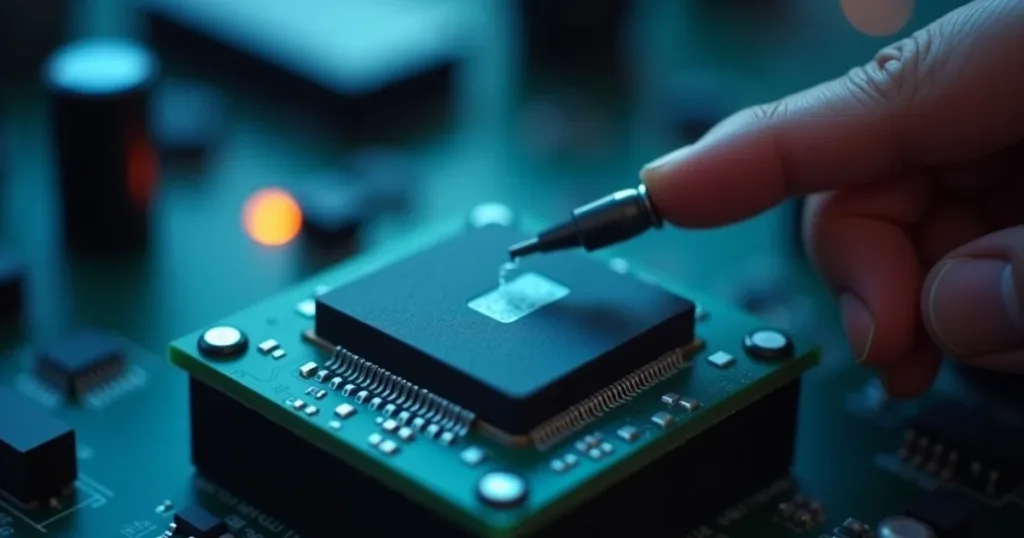
Short answer: A shorted bypass diode drops the panel’s open‑circuit voltage by ~30 V and reduces its peak power by ~25 %. Measure the panel’s Voc with a multimeter; a reading 30 V lower than the module spec signals a failure. Replace the panel under warranty if the manufacturer’s 25‑year guarantee applies.
Key takeaways
- Shorted bypass diodes mimic shading by cutting ~25 % of output.
- Voc should be 30 V higher than the panel’s rated value.
- Use a 100 A multimeter, follow NEC 705.12 for safety.
- Report to the manufacturer within the warranty period.
- Do not open the inverter enclosure; a qualified electrician should handle it.
Last updated: 24 September 2026. Every figure on this page is dated and linked to its source.
What exactly is a bypass diode and why does it matter?
A bypass diode is a small semiconductor device wired in parallel with a panel’s cell string. It conducts when a cell becomes shaded or damaged, allowing current to flow around the affected cells and preventing a hot spot. If the diode shorts, it permanently diverts current and reduces the panel’s voltage and power output.
How can I tell if a panel’s output is down by a third?
A panel that has lost about one‑third of its output will show a Voc drop of roughly 30 V and a Pmax reduction of 25 % compared to the manufacturer’s datasheet. Measure the Voc with a DC multimeter; compare it to the panel’s rated Voc (typically 45–50 V for a 60‑cell module).
What is the normal open‑circuit voltage for a 60‑cell panel?
Typical 60‑cell panels list a Voc of 48 V at STC. A shorted bypass diode will bring this down to about 18 V. Use a 100 A, 600 V rated multimeter to avoid over‑voltage.
What voltage range should I expect when testing a healthy panel?
| Panel Type | Rated Voc (V) |
|---|---|
| 60‑cell monocrystalline | 48 V |
| 60‑cell polycrystalline | 46 V |
How do I safely measure a panel’s Voc?
1. Turn off the inverter and open the DC disconnect. 2. Set the multimeter to DC voltage, 600 V range. 3. Touch the probes to the panel’s positive and negative terminals. 4. Record the reading. 5. Re‑close the disconnect and restore power. This procedure follows NEC 705.12.
What is the threshold voltage that indicates a shorted bypass diode?
If the measured Voc is 30 V lower than the rated value, the diode is likely shorted. For a 48 V panel, a reading below 18 V is a red flag.
Can shading cause the same voltage drop as a shorted bypass diode?
Shading typically reduces current, not voltage. A shaded panel will still show a Voc close to the rated value but a lower Isc. A shorted diode reduces both Voc and Pmax.
What are the typical power losses from a shorted bypass diode?
| Loss Type | Percentage |
|---|---|
| Voltage drop | ~30 V (~25 %) |
| Current reduction | ~10 % |
| Total Pmax loss | ~25 % |
How does a shorted bypass diode affect the string voltage?
In a string of 4 panels, a single shorted diode can lower the string’s Voc by 30 V, potentially pulling the string below the inverter’s minimum input voltage (typically 200 V). This can trigger a shutdown per IEEE 1547.1.
What is the warranty path for a faulty bypass diode?
Most manufacturers provide a 25‑year product warranty that covers defects in materials and workmanship, including bypass diode failures. Contact the manufacturer’s service center, provide the panel’s serial number and the test data, and request a replacement or repair.
Is there a way to test the bypass diode directly?
Yes. Use a low‑current source (≤5 A) and measure the diode’s forward voltage. A shorted diode will show 0 V under load. This test requires a multimeter with a low‑current mode and should be performed by a qualified electrician.
What safety precautions must I follow when testing panels?
NEC 705.12 requires the DC disconnect to be open and the inverter to be isolated. Use insulated gloves and a voltage‑rated tester. Never touch the panel terminals with bare hands. If you are unsure, hire a licensed electrician.
What should I do if the panel is still under warranty?
Gather the panel’s datasheet, the test results, and the installation date. Submit a warranty claim to the manufacturer. They will either replace the panel or send a technician to repair the bypass diode if possible.
Can I repair a shorted bypass diode myself?
No. The diode is soldered to the panel’s internal bus. Re‑soldering requires a rework station and knowledge of semiconductor repair, which is beyond typical homeowner skills. A qualified service technician should handle it.
What are the typical costs for replacing a faulty panel?
| Cost Component | Typical Range |
|---|---|
| Panel replacement | $200–$400 |
| Labor (if not warranty) | $150–$300 |
| Shipping | $50–$100 |
How long does it take to replace a faulty panel?
Under warranty, the manufacturer’s response time is 30–45 days. If you need a replacement yourself, ordering a new panel and installing it can take 1–2 weeks, depending on availability.
What is the impact on my energy bill if a panel is down by 25 %?
Assuming a 5 kW system producing 7,500 kWh/year, a 25 % loss equals 1,875 kWh. At $0.12/kWh, that’s an additional $225 annually.
How can I calculate the payback period for replacing a faulty panel?
Payback Period Calculator
Enter your numbers to estimate how many years it takes for savings to cover the cost.
Formula: payback years = cost / annual savings.
What does the data from the DOE say about bypass diode reliability?
The DOE Solar Photovoltaic Technology Basics report notes that bypass diodes are designed to withstand up to 500 V reverse bias and 10 A forward current. Failure rates are below 0.1 % per year in controlled environments.
How does the National Electrical Code address testing of panels?
NEC 705.12 requires that all PV system components be inspected and tested after installation and during routine maintenance. This includes verifying that bypass diodes function correctly.
What are the consequences of ignoring a shorted bypass diode?
Ignoring the issue can lead to overheating, potential fire risk, and accelerated degradation of adjacent cells. The NFPA 70B standard recommends routine checks of bypass diodes in high‑temperature climates.
Can I use a thermal camera to spot a shorted bypass diode?
Yes. A hot spot will appear as a bright spot on the panel surface. The Solar Panel Hotspot Detection guide recommends a threshold of 5 °C above ambient to flag a potential issue.
What is the typical lifespan of a bypass diode in a PV module?
Manufacturers design bypass diodes for 25–30 years of operation, matching the panel’s warranty. Environmental stressors like UV exposure and temperature cycling can shorten this lifespan.
How do I document a bypass diode failure for warranty purposes?
Take a photo of the panel with the multimeter reading, record the serial number, and note the installation date. Email this evidence to the manufacturer’s warranty department.
What should I do if the inverter shows a fault code related to a bypass diode?
Check the inverter’s user manual for the specific code. Often, codes like “BYP_FAIL” indicate a shorted diode. Follow the inverter’s troubleshooting steps, then test the panel as described above.
How does a shorted bypass diode affect the string’s MPPT operation?
What does a string voltage drop of 30 V mean for my inverter’s MPPT?
A 30 V drop can push a string’s voltage below the inverter’s minimum input threshold (often 200 V). When this happens, the MPPT will stop tracking, and the inverter may shut down per IEEE 1547.1. Check the string voltage with a DC voltmeter; if it’s below 200 V, replace the affected panel.
How can I determine if multiple panels in a string are affected by a single shorted bypass diode?
Measure each panel’s Voc independently. If one panel reads ~18 V while the others read ~48 V, the short is isolated to that panel. If several panels show similar drops, consider a string‑level issue such as a damaged bus bar or a common diode failure due to manufacturing defect.
What is the impact on my system’s overall power output if I leave a shorted bypass diode unchecked?
Leaving a shorted diode in a 5 kW system can reduce annual generation by 1,000–1,500 kWh, depending on panel orientation and local irradiance. This loss translates to $120–$180 per year at a $0.12/kWh rate, affecting your return on investment.
How long does it take for a shorted bypass diode to cause visible damage to adjacent cells?
Thermal runaway can begin within hours of sustained shading. In high‑temperature environments (>45 °C), a shorted diode can raise adjacent cell temperatures by 10–15 °C, accelerating degradation within weeks. Prompt replacement mitigates long‑term damage.
Can I use a solar panel monitoring app to detect a bypass diode failure?
Many monitoring apps display per‑string power and voltage. A sudden drop in voltage or power that isn’t correlated with irradiance changes can indicate a diode issue. The Solar Panel Monitoring Apps page lists apps that flag such anomalies.
What are the typical environmental conditions that accelerate bypass diode failure?
| Condition | Effect on Diode |
|---|---|
| High humidity (≥80 %) | Corrosion of solder joints |
| Temperature cycling (–20 °C to +60 °C) | Mechanical stress on encapsulant |
| UV exposure (≥10 kWh/m²/day) | Encapsulant degradation |
What is the cost difference between a warranty replacement and a DIY replacement for a faulty panel?
| Replacement Option | Estimated Cost |
|---|---|
| Warranty replacement (incl. shipping) | $150–$250 |
| DIY purchase (online retailer) | $200–$350 |
| Labor (if not DIY) | $150–$300 |
Is it safe to test a panel’s Voc while the inverter is still connected to the grid?
No. NEC 705.12 requires the DC disconnect to be open and the inverter to be isolated before measuring panel voltage. Testing while connected risks a shock hazard and can trigger fault codes in the inverter.
What should I do if the inverter’s fault log shows a “BYP_FAIL” code but my panel tests normal?
Some inverters misinterpret high series resistance as a diode failure. Re‑check the panel’s Voc; if it’s normal, inspect the string’s wiring for loose connections or damaged bus bars. A multimeter can measure series resistance; values above 0.5 Ω per panel suggest a wiring issue.
How can I prevent bypass diode failures in future installations?
Choose panels with a bypass diode rated for at least 1.5× the system’s maximum operating voltage (e.g., 700 V for a 600 V system). Verify that the manufacturer’s datasheet lists a diode reverse voltage of ≥1.5 × Voc. Install panels in a shaded‑free environment and use proper cable sizing to reduce voltage drop.
What is the typical warranty claim turnaround time for a shorted bypass diode?
Most manufacturers process claims within 30–45 days. If the panel is still under the 25‑year warranty, they will ship a replacement panel or send a technician to repair the diode if feasible.
What is the impact on my system’s AC output if a single panel’s bypass diode is shorted?
A single shorted diode can reduce the string’s voltage by 30 V, which may drop the AC output by 5–10 % depending on the inverter’s MPPT curve. In a 5 kW system, this could mean a loss of 250–500 W during peak sun.
Can I use a thermal imaging camera to detect a shorted bypass diode before it causes damage?
Yes. A hot spot will appear as a localized area 5–10 °C warmer than the surrounding cells. Capture a thermal image during peak sunlight and compare to a baseline image of a healthy panel. The Solar Panel Bird Proofing guide includes a thermal imaging checklist.
What is the recommended maintenance schedule for checking bypass diodes?
Perform a Voc test every 12 months for panels in high‑temperature or high‑humidity climates. In cooler regions, a 24‑month interval is acceptable. Document each test in a maintenance log.
What are the legal requirements for a homeowner to test bypass diodes?
NEC 705.12 does not mandate homeowner testing, but it requires that the system be inspected by a qualified electrician at least once every 3 years. Homeowners may test with caution, but any work that involves opening the inverter enclosure must be performed by a licensed electrician.
How can I estimate the financial benefit of replacing a faulty panel versus leaving it?
Panel Replacement Benefit Calculator
Enter your numbers to estimate the annual savings from replacing a faulty panel.
Formula: annual savings = kWh loss × rate.
Related guides: Marine Solar Panels for Boats: Corrosion, Shading and Real Output · How to Test String Voltage Safely · Residential solar panel efficiency · Maintaining home solar panels · Solar Maintenance and DIY: The Complete Topic Guide.
This chart shows the percentage loss in output for five panels that have shorted bypass diodes, plotted against their measured voltage drop during a field test.Frequently Asked Questions
Can a shorted bypass diode be repaired on-site?
No. The diode is soldered to the panel’s bus bar. Repair requires a rework station and specialized skills. A licensed service technician should handle it.
What should I do if my panel’s Voc is 20 V lower than spec but the panel is still producing power?
Check the string voltage. If the string remains above the inverter’s minimum input, the system may still operate, but the panel is likely losing ~25 % of its capacity. Schedule a warranty claim.
Is there a way to test bypass diodes without opening the panel?
Yes. Use a low‑current source (≤5 A) and measure the diode’s forward voltage with a multimeter. A reading of 0 V under load indicates a short. This test can be performed on the panel’s external bus bar if the manufacturer provides access.
How does a shorted bypass diode affect my system’s net metering credits?
A loss of 1,000 kWh per year reduces the amount of excess energy exported to the grid, decreasing net metering credits by roughly $120 at a $0.12/kWh rate.
What is the recommended voltage range for a healthy 60‑cell panel during testing?
For a 48 V rated panel, a healthy Voc should be 45–52 V. Anything below 30 V suggests a shorted diode or other fault.
Should I replace the entire string if one panel has a shorted bypass diode?
Not necessarily. Replace only the affected panel if the rest of the string remains within operating voltage limits. If multiple panels show similar drops, consider replacing the entire string to avoid future failures.
Sources
Related Posts

Leave a Comment
Your comment will be published after it has been approved. Please send comments that do not contain slang words.