
Residential solar installation process
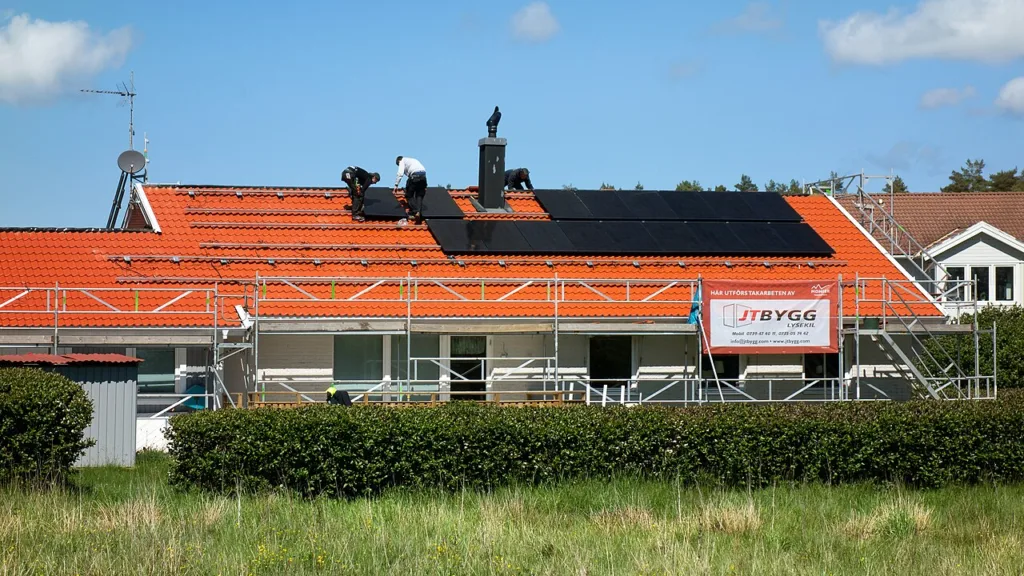
The residential solar installation process follows a fairly consistent sequence regardless of installer or region, though the exact timeline varies considerably by local permitting speed and utility interconnection backlog. Knowing what to expect at each stage helps set realistic expectations and catch potential delays early.
This guide walks through the full process from initial site assessment to system activation. It covers what happens at each stage. It also covers what a homeowner should be doing, or watching for, along the way.
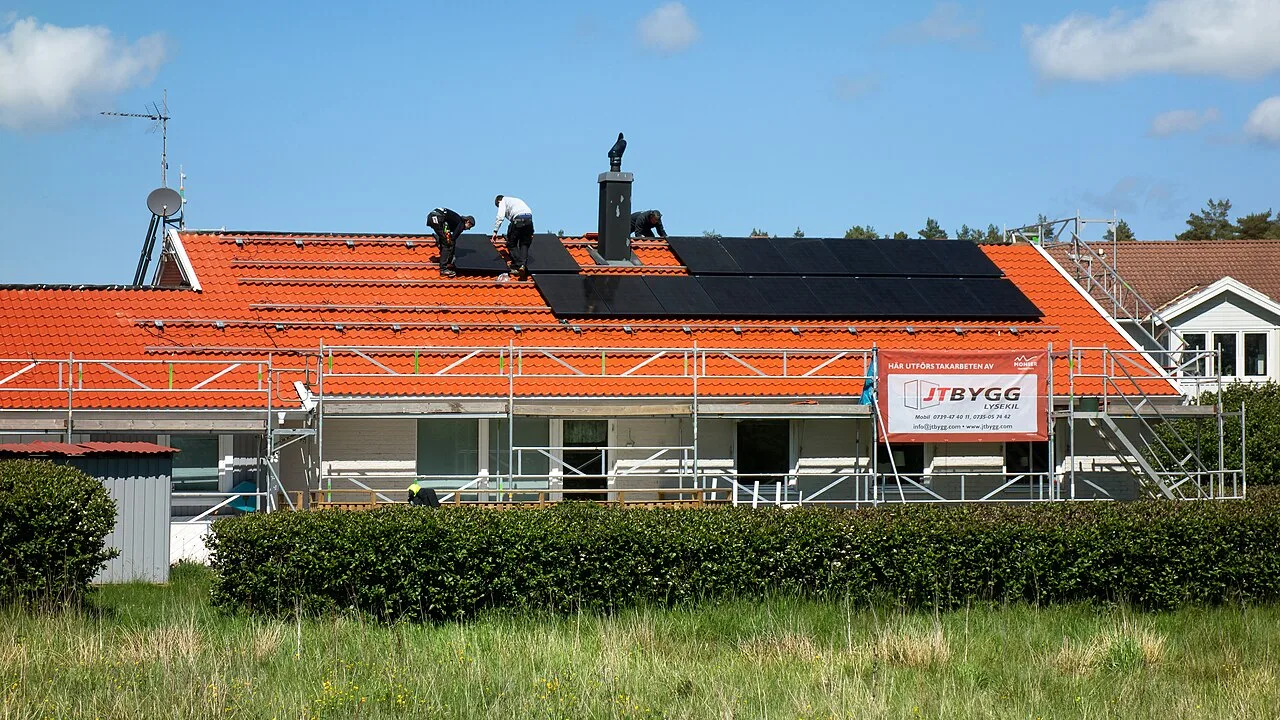
Table of Contents
- Stage 1: Site Assessment and Quoting
- Stage 2: Design and Contract
- Stage 3: Permitting
- Stage 4: Physical Installation
- Stage 5: Inspection
- Stage 6: Utility Interconnection (Permission to Operate)
- Full Timeline Summary
- What to Watch For at Each Stage
- What to Prepare Before Installation Day
- Working With Your HOA
- Roof Considerations Before Installing
- System Activation: What Actually Happens
- Common Mistakes
- Frequently Asked Questions
Stage 1: Site Assessment and Quoting
An installer assesses your roof or ground-mount site and reviews your utility usage data. They then model expected production, using satellite imagery or an in-person site visit. From that they provide a quote with proposed system size, equipment, and pricing. Get quotes from multiple installers to compare – equipment choice, pricing, and proposed system size can vary meaningfully between companies assessing the same property.
Stage 2: Design and Contract
Once you select an installer, they finalize a detailed system design. That covers exact panel layout, electrical design, and equipment specifications. You then sign a contract specifying final pricing, equipment, warranty terms, and timeline expectations. Review the contract’s specific equipment model numbers, warranty terms, and any financing terms carefully before signing. This is the point to clarify anything ambiguous. Doing it after installation begins is much harder.
Stage 3: Permitting
Your installer submits permit applications to your local building/electrical authority (and separately, an interconnection application to your utility, sometimes started in parallel). This stage’s duration varies enormously by jurisdiction – some areas offer same-day or fast online permit approval, others take several weeks for manual review. This is typically the least visible stage to a homeowner but can be one of the longer ones.
Stage 4: Physical Installation
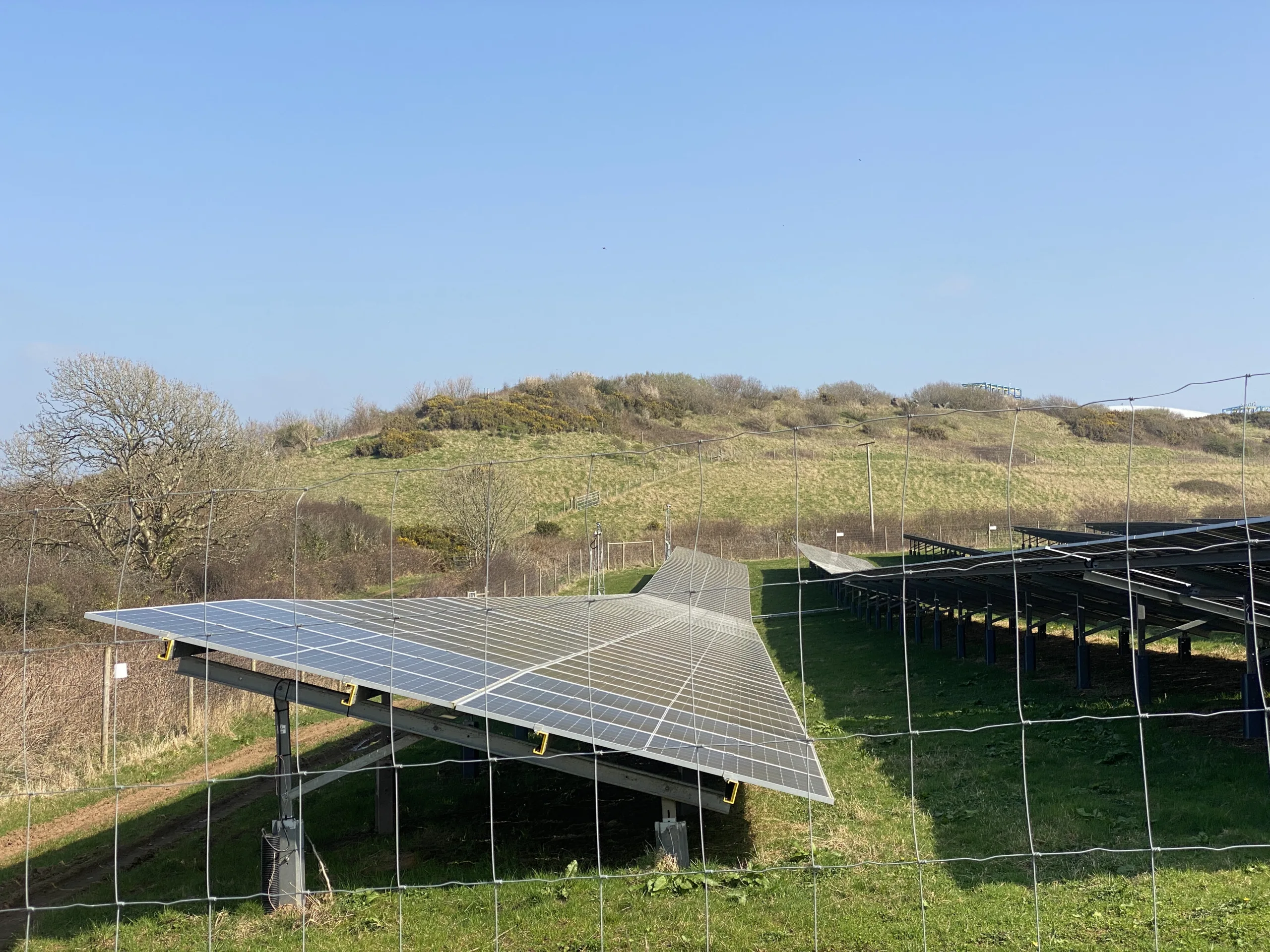
Once permits are approved, physical installation typically takes 1 to 3 days for a standard residential system. The crew mounts racking to the roof and installs the panels. They then run electrical wiring and mount the inverter. Larger or more complex systems (multiple roof sections, battery storage, electrical panel upgrade work) can take longer. This is the most visible stage but often not the longest in total elapsed time once permitting and interconnection are included.
Stage 5: Inspection
After physical installation, a local electrical/building inspector reviews the completed work for code compliance before the system can proceed to utility interconnection. Scheduling and inspector availability affects this stage’s timeline. A failed inspection (requiring a specific fix before re-inspection) can add delay, which is one reason quality installation work matters beyond just long-term reliability.
Stage 6: Utility Interconnection (Permission to Operate)
The utility reviews the interconnection application, sometimes requiring the passed inspection as a prerequisite. Once approved, it grants Permission to Operate. Only after this can the system legally export power to the grid. This is commonly the longest and least visible stage, taking anywhere from about a week to 6+ weeks depending on your utility’s current backlog. See our net metering guide for what happens once PTO is granted and net metering begins.
Full Timeline Summary
| Stage | Typical Duration |
|---|---|
| Site assessment and quoting | 2-4 weeks |
| Design and contract signing | 1-2 weeks |
| Permitting | 2-8 weeks, highly jurisdiction-dependent |
| Physical installation | 1-3 days |
| Inspection | Days to 2 weeks depending on scheduling |
| Utility interconnection (PTO) | 1-6+ weeks, utility-dependent |
Total elapsed time from first quote to actual system activation commonly runs 2-4 months, sometimes longer in slower-permitting or high-interconnection-backlog areas.
What to Watch For at Each Stage
- During quoting: get the proposed production estimate in writing, not just a dollar savings figure.
- During contract review: confirm exact equipment models and warranty terms match what was discussed verbally.
- During permitting: ask your installer for a status update if it’s taking noticeably longer than their initial estimate.
- During installation: a reputable installer should keep you informed of the schedule; ask about any unexpected changes to the original design.
- During interconnection: don’t assume the system is legally operating just because installation is visibly complete – confirm PTO has actually been granted.
What to Prepare Before Installation Day
A little preparation smooths the physical installation stage. Clear roof and attic access for the crew. Make sure pets are secured away from work areas. Clear a path to your electrical panel location. And confirm parking and staging area availability for the crew’s vehicles and equipment on installation days. Most reputable installers communicate specific preparation requests ahead of time. Proactively addressing these basics still helps. It keeps installation on schedule rather than losing time to avoidable logistics delays on the day.
Working With Your HOA
If your property has a homeowners association, check HOA approval requirements before signing an installation contract. Many HOAs have a specific architectural review process for solar installations. Some states have solar rights laws limiting how much an HOA can restrict solar. The details vary by state. Submit HOA approval requests early, in parallel with getting installer quotes rather than after signing a contract. That avoids being contractually committed before you know whether your HOA will approve the installation as designed.
Roof Considerations Before Installing
Roof condition and remaining lifespan matter more to the installation timeline and total cost than many first-time buyers expect. A roof needing replacement within roughly 5 to 10 years should generally be replaced before solar installation, not after. Removing and reinstalling panels for a later roof job adds significant avoidable cost. Most installers assess roof condition as part of the site assessment stage and flag this proactively. It is still worth raising directly if you have any reason to think your roof may need attention soon.
System Activation: What Actually Happens
Once Permission to Operate is granted, activation itself is usually anticlimactic. Your installer or the utility flips the system on remotely, or during a brief final visit, depending on the specific process. The monitoring app then begins showing live production data. Some installers schedule a final walkthrough at this point. They confirm the monitoring app is set up correctly on your phone and account, and answer any final questions. It is a good opportunity to confirm you understand basic system operation. It is also the time to learn who to contact for future service, before the installer’s direct involvement in the project effectively ends.
Common Mistakes
- Assuming installation day is the finish line – permitting and utility interconnection often take longer than physical installation itself.
- Not getting multiple quotes before committing – pricing and proposed system design vary meaningfully between installers.
- Signing a contract without reviewing specific equipment model numbers and warranty terms – clarify before signing, not after.
- Running the system before confirmed PTO – can violate the interconnection agreement in some jurisdictions.
Frequently Asked Questions
How long does the whole residential solar installation process take?
Commonly 2-4 months from first quote to system activation, though this varies significantly by local permitting speed and utility interconnection backlog.
What is the longest stage of the process usually?
Utility interconnection approval (Permission to Operate) is often the longest and least visible stage, frequently taking longer than the physical installation itself.
Can I use my solar system as soon as installation is physically complete?
Not legally in most grid-tied situations – the system needs utility Permission to Operate (PTO) before it can legally export power, which comes after installation and inspection.
How many installer quotes should I get before choosing one?
At least three is a reasonable starting point – pricing, proposed system design, and equipment choices can vary meaningfully between companies assessing the same property.
What happens if my permit or inspection is delayed?
Your installer should communicate updated timelines. Delays are common and usually reflect local authority backlog rather than an installer-specific problem. It is still reasonable to ask for status updates if a stage is taking noticeably longer than initially estimated.
Do I need HOA approval before installing solar?
Check your specific HOA’s architectural review requirements early – many have a formal approval process, and some states have solar rights laws limiting HOA restrictions, though details vary. Submit HOA requests in parallel with getting quotes, not after signing a contract.
Should I replace my roof before or after installing solar?
Before, if it’s likely to need replacement within 5-10 years – removing and reinstalling panels for a later roof job adds significant avoidable cost.
Conclusion
The residential solar installation process involves several stages beyond the visible physical installation, commonly totaling 2-4 months from first quote to system activation. Understanding the full sequence – especially permitting and utility interconnection, often the longest stages – sets realistic expectations. See our solar inverter installation cost guide and net metering guide for the related decisions this process feeds into.
Further reading: U.S. Department of Energy – Homeowner’s Guide to Going Solar and Wikipedia – Photovoltaic system.
Once the system is running, upkeep is straightforward but not zero. Our home solar panel maintenance guide covers a realistic schedule and what to leave to a professional.
Approval is not only a permitting question. If your property has an HOA, our rooftop solar HOA rules guide covers what associations can and cannot restrict.
If your roof turns out to be a poor host, the alternative is covered in ground mount solar systems.
Related Posts
Leave a Comment
Your comment will be published after it has been approved. Please send comments that do not contain slang words.