
Best Off-Grid Solar Inverters
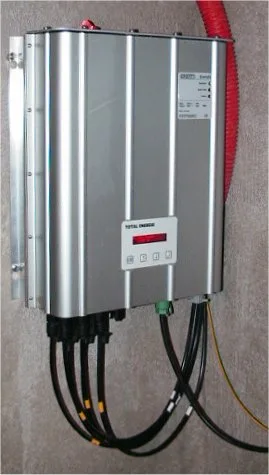
The best off-grid solar inverters are built for a fundamentally different job than a grid-tied or even a standard hybrid inverter: running a home or cabin’s entire electrical load, indefinitely, with no utility connection to fall back on. That means higher surge capacity for motor-driven loads. It means generator-start integration. And it means a battery-management approach designed around daily cycling rather than occasional backup. These specs do not show up the same way on a typical grid-tied inverter’s spec sheet.
This guide covers what actually separates a true off-grid-capable inverter from a backup-capable hybrid unit. It covers the specs that matter most. It covers sizing for genuine round-the-clock, year-round operation. It also covers the leading product categories worth comparing.
Table of Contents
- What is the difference between off-grid and backup hybrid inverters?
- What specs matter for a true off-grid inverter?
- What are the main types of off-grid inverters?
- How do I size an off-grid inverter for 24/7 use?
- How do off-grid inverters work with generators?
- Which batteries pair best with off-grid inverters?
- How much does an off-grid inverter setup cost?
- What are the most popular off-grid inverter brands?
- Installation Considerations
- Monitoring for Remote Sites
- How do you maintain an off-grid inverter in remote areas?
- RV/Marine vs. Residential Units
- Permits and Code Compliance
- Warranty Considerations
- Sizing Around Well Pumps and Motor Loads
- How do climate and site affect an off-grid inverter?
- What mistakes do people make when choosing an off-grid inverter?
- Frequently Asked Questions
What is the difference between off-grid and backup hybrid inverters?
Many inverters marketed as hybrid are really designed around backup power during occasional grid outages. They are not built for indefinite standalone operation. They assume the grid is usually there, and that the battery only needs to bridge short gaps. A genuinely off-grid-capable inverter is built around the opposite assumption: the battery and solar array are the only source of power, every day, in every season, which changes requirements around surge handling, battery depth-of-discharge management, and generator-start logic. You may be building a true off-grid system: a remote cabin, a rural property with no utility connection, or a boat or RV taken to its logical extreme. If so, confirm explicitly with the manufacturer or installer that a specific model is rated for continuous off-grid duty, not just backup duty. The two categories overlap in marketing language more than in actual engineering. For the backup-focused version of this comparison, see our best hybrid solar inverter guide.
What specs matter for a true off-grid inverter?
- Surge rating – off-grid systems commonly need to start well pumps, air conditioners, or workshop equipment with no grid to help absorb the surge; look for surge ratings meaningfully above continuous rating (often 2-3x for a few seconds).
- Continuous output relative to actual household load – sized to the sum of everything that might run simultaneously, not just average daily use.
- Generator-start / AC-input integration – the ability to automatically start a backup generator when battery state of charge drops below a threshold is close to essential for genuine off-grid reliability through extended low-sun periods.
- Battery charge algorithm flexibility – off-grid systems benefit from configurable charge profiles matched exactly to the battery chemistry and bank size, since there’s no grid to fall back on if charging is suboptimal.
- Parallel/stacking capability – the ability to add a second unit for more power or redundancy as needs grow, without replacing the original.
- Cold-weather and altitude derating – genuinely remote off-grid sites are more likely to see temperature and altitude extremes than a typical suburban rooftop; check the derating curve, not just the headline rating.
What are the main types of off-grid inverters?
| Category | Typical Strength | Best Fit |
|---|---|---|
| High-surge all-in-one units (e.g., Sol-Ark-style) | Very high surge capacity, strong for well pumps and HVAC starts | Off-grid homes with demanding motor loads |
| Modular stackable units (e.g., Victron MultiPlus-style) | Highly flexible, add capacity incrementally, mature ecosystem | Off-grid, marine, and RV systems expected to grow over time |
| Heavy-duty industrial off-grid inverters (e.g., Schneider Conext XW+-style) | Built for continuous heavy-duty cycling, strong generator integration | Larger off-grid homes and light-commercial remote sites |
| Budget/entry-level off-grid inverters | Lower cost, simpler feature set | Small cabins, sheds, and minimal-load off-grid setups |
As with grid-tied hybrid inverters, compare on specs rather than price or brand name. Look at surge rating, generator-start capability, and battery charge algorithm flexibility across brands within a category. These three specs explain most of the real-world difference in off-grid reliability.
How do I size an off-grid inverter for 24/7 use?
Off-grid sizing starts from a genuine load audit. List every appliance, its wattage, and realistic daily hours of use, then sum that into a daily kWh figure. Size with meaningful headroom for worst-case winter production and multi-day low-sun stretches. Average annual production is the wrong basis. This is meaningfully more conservative than grid-tied or backup-focused sizing, since there is no fallback if the estimate runs short. A common off-grid design approach sizes solar and battery capacity to cover 2 to 3 consecutive low-production days without a generator assist. The generator then covers genuinely extended low-sun periods beyond that. Budget for both pieces, meaning renewable capacity and generator backup. Trying to solve it entirely with an oversized battery bank rarely works out.
How do off-grid inverters work with generators?
Nearly every serious off-grid system pairs the inverter with a backup generator. How well the inverter manages that generator matters as much as the generator itself. Automatic-start capability when battery state of charge drops below a set threshold is one requirement. So is the ability to use generator power to run loads and recharge the battery simultaneously. So are configurable run-time limits, which avoid excessive fuel use or wear. These separate a well-integrated setup from one where the generator is just a separate manual backup. Confirm generator compatibility (fuel type, output characteristics) with your specific inverter model before purchasing either piece separately.
Which batteries pair best with off-grid inverters?
Off-grid battery banks see far more frequent, deeper cycling than a grid-tied backup battery, which makes cycle life and depth-of-discharge rating especially important – see our battery chemistry comparison for how LFP’s cycle-life advantage plays out specifically in daily-cycling off-grid use versus occasional backup duty. Battery bank sizing for off-grid use is generally larger relative to daily load than for a grid-tied backup system. There is no ability to top up from the grid between cloudy stretches.
How much does an off-grid inverter setup cost?
| Component | Typical Cost Range |
|---|---|
| Off-grid-rated inverter/charger (equipment only) | $1,500-$6,000+ depending on capacity and surge rating |
| Battery bank sized for genuine off-grid use | $8,000-$30,000+ depending on capacity |
| Backup generator (if not already owned) | $2,000-$10,000+ depending on size and fuel type |
| Installation and balance-of-system | Highly site-dependent – remote sites often cost more due to access and labor logistics |
Off-grid systems generally cost more per kW than an equivalent grid-tied installation. The larger battery bank and generator integration required for genuine standalone reliability drive that. It is the tradeoff for full energy independence, versus a grid-tied system’s lower-cost reliance on utility backup.
How do climate and site affect an off-grid inverter?
A genuinely remote off-grid site often sees more extreme conditions than a typical suburban installation. Temperature swings, dust, humidity, and altitude can all be harsher. Each of these can derate an inverter’s rated output if not accounted for in sizing. Check the manufacturer’s derating curve for your specific climate conditions. Plan for adequate ventilation or climate control around the equipment enclosure in extreme environments. Budget slightly more headroom in system sizing for a harsh-climate site than the baseline guidance above suggests for a moderate climate.
What are the most popular off-grid inverter brands?
No single brand is the objectively best off-grid solar inverter for every situation, but these names come up repeatedly in genuine off-grid installations:
- Sol-Ark – US-focused, known for very high surge capacity, popular specifically for off-grid installs with demanding motor loads (well pumps, workshop equipment).
- Victron Energy – highly modular MultiPlus and Quattro lines, favored for their stacking flexibility and mature ecosystem of monitoring and automation add-ons; strong presence in marine and RV off-grid applications too.
- Schneider Electric Conext XW+ – built for heavy-duty continuous off-grid and light-commercial use, strong generator integration.
- Outback Power – long-established in the off-grid space specifically, modular architecture, popular in remote cabin and rural residential installs.
- Magnum Energy – common in RV, marine, and smaller off-grid residential setups, known for straightforward configuration.
- Growatt and other value-tier brands – increasingly offer off-grid-rated models at competitive pricing, with a growing (though still developing relative to established brands) international service network.
As with any inverter purchase, ask an installer with genuine off-grid experience, not just grid-tied residential experience. Ask which brands they have serviced in the field, not just sold. Off-grid systems get exercised far harder than grid-tied backup systems. Real field reliability data matters more than a spec sheet.
What should I consider when installing an off-grid inverter?
Off-grid installations often involve site logistics a typical grid-tied residential job does not. Equipment must be transported to a remote location. Wire runs between panels, batteries, and the inverter are potentially longer, which affects wire gauge and voltage-drop calculations. Enclosure and housing considerations also come up for equipment that may not have an attached garage or conditioned utility room. Budget realistically for these site-specific factors when comparing an off-grid quote to a grid-tied one. A lower per-kW equipment price can be offset by meaningfully higher labor and logistics cost for a genuinely remote site.
How do I monitor a remote off-grid solar system?
Remote monitoring matters more, not less, for an off-grid system, precisely because there’s no utility grid providing an implicit backstop if something goes wrong. Cellular or satellite-connected monitoring is worth considering, since a remote site may not have reliable wifi. It lets a homeowner or caretaker check system status without a physical site visit. That is genuinely valuable for a seasonal cabin or a property not occupied full-time. Confirm what connectivity options a specific inverter’s monitoring platform supports before assuming standard wifi-based monitoring will work at your specific site.
How do you maintain an off-grid inverter in remote areas?
Routine maintenance matters more for a remote off-grid system, since a small issue caught late can mean days without power rather than a quick service call. A reasonable maintenance routine covers four things. Inspect all connections and enclosures periodically for corrosion or pest intrusion, which is more common at remote sites than typical suburban installs. Keep cooling vents and fans clear of dust and debris. Test generator auto-start functionality on a schedule, rather than discovering it does not work during an actual extended low-sun stretch. And keep basic spare parts like fuses and common connectors on hand, since a replacement part shipped to a remote location takes considerably longer to arrive. See our off-grid solar maintenance guide for the fuller system-wide maintenance routine this inverter-specific advice fits into.
How do RV and marine inverters differ from residential off-grid ones?
Off-grid inverters marketed for RV and marine use share core technology with residential off-grid units. They are optimized differently, though. Form factors are more compact and typical power ratings are lower, matched to a vehicle or vessel’s smaller electrical system. They often emphasize 12V and 24V DC input compatibility, common in RV and marine battery banks, alongside or instead of the 48V systems more typical of residential off-grid installs. A residential off-grid buyer should look at inverters marketed for residential or cabin use specifically. Do not assume an RV-rated unit scales up appropriately. The duty cycle, expected continuous load, and typical battery bank voltage often differ enough to matter.
What permits and codes apply to off-grid solar systems?
Off-grid systems are often mistakenly assumed to be exempt from electrical permitting since there’s no utility interconnection involved – in most jurisdictions this is incorrect. Local electrical code still applies to an off-grid installation. In the US that commonly means the National Electrical Code with local amendments, covering wiring, battery installation, and generator integration. A permit and inspection are typically still required, even without any utility interconnection application. This matters for both safety and for insurance purposes – an uninspected, unpermitted installation can complicate a homeowner’s insurance claim later, separate from any code-compliance concern. Confirm local permitting requirements for a remote or rural property specifically, since code enforcement and inspection logistics can differ from a typical suburban jurisdiction.
What warranty should I look for in an off-grid inverter?
Off-grid inverters are cycled far harder than grid-tied backup units, running continuously rather than occasionally. Confirm that a manufacturer’s warranty explicitly covers continuous off-grid duty. Do not assume a standard warranty applies equally regardless of use case. Some manufacturers differentiate warranty terms or duty-cycle expectations between grid-tied/backup and genuine off-grid applications. Ask this question directly during equipment selection rather than discovering a duty-cycle exclusion after a warranty claim.
How do I size an inverter for well pumps and motor loads?
Well pumps are one of the most common off-grid load-sizing mistakes. A pump’s running wattage looks modest on paper. Its starting surge, the instantaneous power draw when the motor first kicks on, can briefly be several times that. An inverter sized only for average or running load can trip, or fail to start a well pump reliably. This gets worse as a battery bank’s voltage sags under load. Confirm your specific well pump’s starting surge against your inverter’s actual surge rating before finalizing equipment. The surge figure is often on the pump nameplate or spec sheet, and sometimes requires a call to the manufacturer. This single check prevents one of the more common and frustrating off-grid commissioning surprises.
What mistakes do people make when choosing an off-grid inverter?
- Buying a backup-focused hybrid inverter for a genuine off-grid application – confirm continuous off-grid duty rating explicitly, don’t assume “hybrid” means “off-grid-capable.”
- Sizing off average load instead of worst-case simultaneous load – off-grid systems have no fallback if undersized.
- Skipping generator integration planning – a manually-managed generator is a much weaker backstop than an automatically integrated one.
- Underestimating winter/low-sun production in the sizing calculation – size around your worst realistic stretch, not annual average.
- Ignoring climate derating for a harsh remote site – can leave a system underperforming its rated capacity when it matters most.
Frequently Asked Questions
What is the difference between a hybrid inverter and a true off-grid inverter?
A hybrid inverter is often designed around occasional backup power with the grid as the primary source. A true off-grid inverter is engineered to run all household load indefinitely with no grid at all. Higher surge capacity, deeper battery-management flexibility, and generator integration all matter more for genuine off-grid duty.
Can I use a standard grid-tied inverter for an off-grid cabin?
No – a standard grid-tied-only inverter requires a grid connection to synchronize with and will not operate without one. You need a unit specifically rated for off-grid or hybrid/multi-mode operation.
How big of a generator do I need for an off-grid solar system?
Size the generator to comfortably cover your home’s peak simultaneous load plus battery charging capacity, not just average daily use – undersizing the generator defeats its purpose as a genuine backstop during extended low-sun periods.
Do off-grid inverters work with any battery brand?
Not universally – confirm voltage window and communication protocol compatibility between your specific inverter and battery choices before purchasing, similar to the compatibility checks needed for grid-tied hybrid systems.
How much more expensive is a true off-grid system than a grid-tied one?
Meaningfully more per kW, mainly driven by the larger battery bank and generator integration required for standalone reliability – budget accordingly rather than assuming off-grid and grid-tied hybrid systems cost similarly for the same load.
Can I use an RV-rated inverter for a residential off-grid cabin?
Generally not recommended for anything beyond a very small setup – RV/marine units are typically sized and voltage-matched for vehicle/vessel electrical systems, not full residential continuous load. Look for residential/cabin-rated off-grid inverters specifically.
How often should I test my off-grid system’s generator auto-start?
Periodically on a set schedule (many owners test monthly or quarterly) rather than waiting to discover a failure during an actual extended low-sun emergency – this is one of the more commonly skipped maintenance items that matters most when it fails.
Do off-grid inverters need internet access to work?
No – core inverter function (converting DC to AC, managing the battery, starting a generator) does not require connectivity. Internet or cellular connectivity is only needed for remote monitoring, which is optional but valuable, especially for a seasonally-occupied property.
Why does my well pump trip my off-grid inverter even though its running wattage is well within the inverter’s rating?
Almost always a surge-rating mismatch – the pump’s brief starting surge, not its running wattage, is what matters. Confirm the pump’s actual starting surge against the inverter’s surge rating specifically.
Households considering solar-plus-EV charging at a remote property should also see our solar EV charging guide for how vehicle charging load factors into off-grid sizing specifically.
Conclusion
The best off-grid solar inverter for a given property meets three conditions. It is confirmed for genuine continuous off-grid duty, not just backup. It is sized around worst-case simultaneous load and winter production. And it is paired with well-integrated generator backup and a battery bank built for frequent deep cycling. See our off-grid solar system guide for the full system-design process this inverter choice fits into, and our best hybrid solar inverter guide if backup power rather than full off-grid independence is the actual goal.
Further reading: U.S. Department of Energy – Homeowner’s Guide to Going Solar and Wikipedia – Off-the-grid.
The inverter is only half the decision. Our off-grid battery guide covers sizing a bank from real load data, and why usable capacity matters more than nameplate.
See our three phase solar inverters guide for how this plays out in practice. For the full breakdown, see our best solar inverters 2026 guide.
Related Posts


Leave a Comment
Your comment will be published after it has been approved. Please send comments that do not contain slang words.