
Clean Energy Solutions for Homes
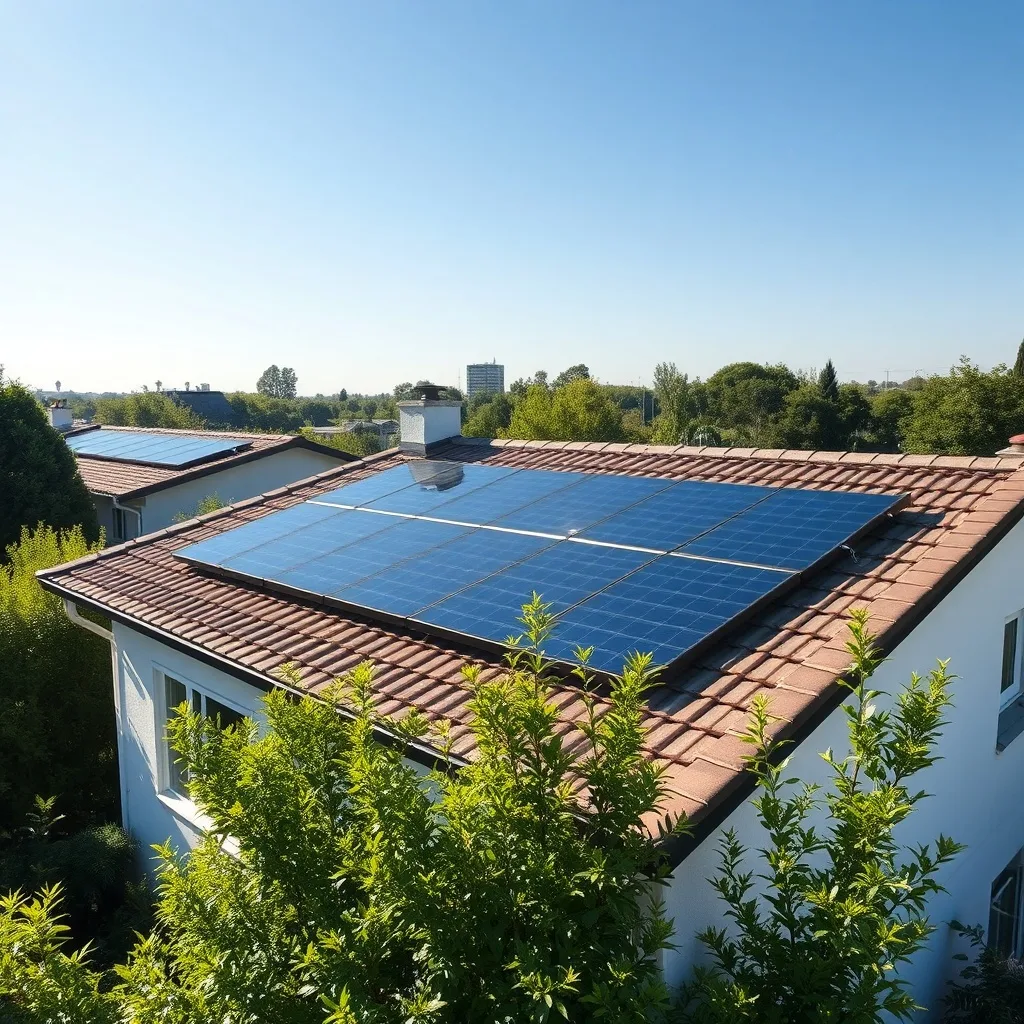
Clean energy solutions cover a broader set of technologies than rooftop solar alone – wind, geothermal, hydropower, and various storage and grid technologies all fall under the umbrella, each with different cost, reliability, and applicability profiles. Understanding what actually qualifies as clean energy is a useful starting point. So is knowing how the main sources compare, and separating genuine tradeoffs from common myths. That framing helps put any specific decision, like whether solar is right for your home, into the bigger picture.
This guide covers the main clean energy sources and how they compare. It debunks common myths and gives a real cost comparison against fossil fuels. It also covers where clean energy technology is headed. Treat it as a starting point before diving into any single technology in depth.
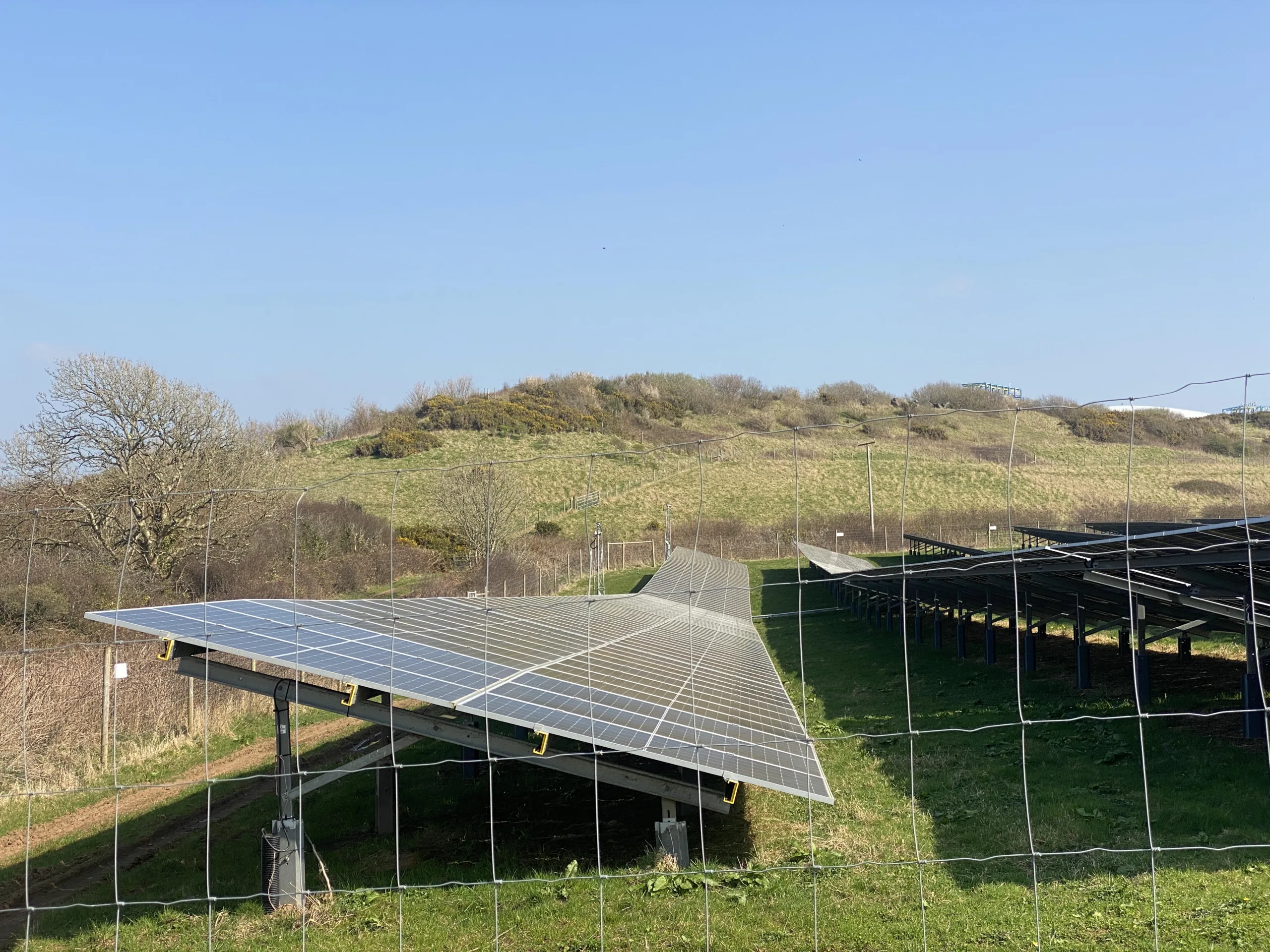
Table of Contents
- What Counts as Clean Energy?
- Comparing the Main Clean Energy Sources
- Clean Energy Alternatives to Fossil Fuels: The Real Tradeoffs
- Clean Energy vs. Fossil Fuels: The Real Cost Picture
- Common Clean Energy Myths, Debunked
- Renewable vs. Clean: Are They the Same Thing?
- Choosing the Right Clean Energy Solution for Your Situation
- Evaluating Clean Energy Marketing Claims
- A Brief Global Adoption Snapshot
- Environmental Impact Beyond Emissions
- Clean Energy and Public Health
- Frequently Confused Terms, Defined
- Where to Go From Here
- Common Mistakes
- Frequently Asked Questions
What Counts as Clean Energy?
Clean energy generally refers to generation that produces little to no direct greenhouse gas emissions or air pollution at the point of generation. Solar, wind, geothermal, hydropower, and nuclear are the most commonly cited examples. Nuclear is sometimes categorized separately from renewable energy, since it does not rely on a naturally replenishing fuel source the way solar or wind does. The distinction between “clean” and “renewable” matters more than casual usage suggests, covered further below.
Comparing the Main Clean Energy Sources
| Source | Best Fit | Key Limitation |
|---|---|---|
| Solar | Residential, commercial, and utility-scale, broad geographic applicability | Intermittent (no output at night, reduced in cloud cover) without storage |
| Wind | Utility-scale generation, best in consistently windy regions | Site-dependent, intermittent, generally not practical at residential scale |
| Geothermal | Consistent baseload power in geologically favorable regions; heat pumps for residential heating/cooling anywhere | Utility-scale geothermal generation is geographically limited; residential geothermal heat pumps have higher upfront cost than air-source alternatives |
| Hydropower | Consistent baseload power where geography allows | Requires specific geography, significant environmental/ecological tradeoffs, limited new development potential in many regions |
| Nuclear | Consistent, high-density baseload power | High upfront capital cost, long development timelines, waste storage considerations – and not classified as “renewable” by most definitions despite low direct emissions |
For most homeowners, solar (often paired with storage, covered in our home battery storage guide) is the only one of these directly actionable at an individual property level – the others matter more at the grid and utility level.
Clean Energy Alternatives to Fossil Fuels: The Real Tradeoffs
Every clean energy source involves real tradeoffs. The picture is not simply fossil fuels’ emissions versus clean energy’s lack of them. Intermittency is one: solar and wind need storage or backup to match fossil generation’s on-demand reliability. Upfront capital cost is another, often higher than a comparable fossil fuel plant, though operating cost is typically much lower over time. Materials and land use are a third. Battery materials, panel manufacturing, and wind turbine siting all carry an environmental footprint. It is smaller than fossil fuel extraction and combustion, but it is not zero. None of this changes the core case for clean energy adoption. But a realistic view holds up better under scrutiny than an oversimplified zero-tradeoffs framing. That is what genuinely well-informed clean energy content should reflect.
Clean Energy vs. Fossil Fuels: The Real Cost Picture
Solar and wind have become cost-competitive with new fossil fuel generation on a levelized cost of energy basis. In many markets they are now cheaper. LCOE is a standard measure of cost per unit of energy produced across generation types. This shift is relatively recent, within roughly the last decade. It is driven primarily by manufacturing scale and technology improvement. Those have reduced solar and wind costs faster than fossil fuel generation costs have fallen. For an individual homeowner, the more directly relevant cost comparison is your own utility rate versus your solar system’s effective cost per kWh over its life – see our payback period calculator for that household-level calculation rather than the grid-level LCOE comparison.
Common Clean Energy Myths, Debunked
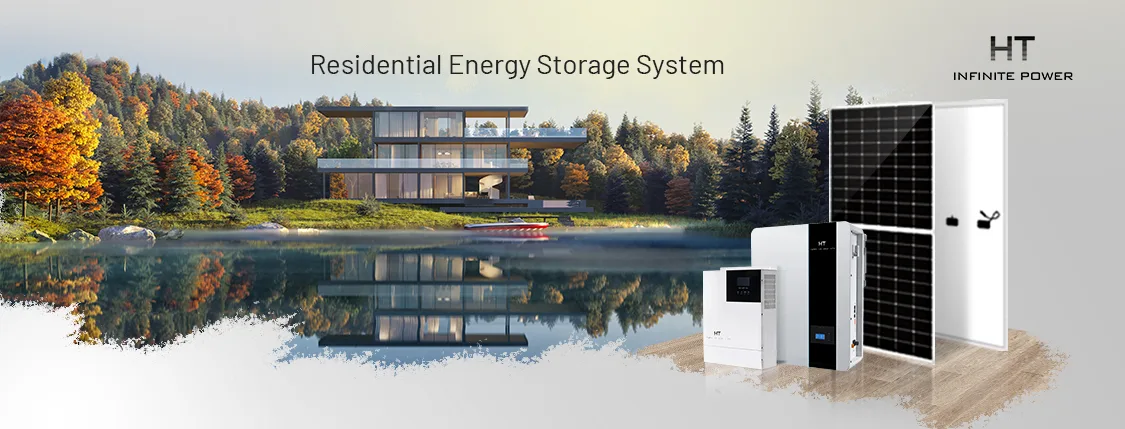
- “Solar panels don’t work in cold or cloudy climates” – false; solar panels actually perform slightly more efficiently in cooler temperatures (heat reduces panel efficiency), and produce meaningful power even under cloud cover, just at reduced output. Some of the world’s highest solar adoption rates are in climates that aren’t uniformly sunny.
- “Clean energy can’t provide reliable baseload power” – increasingly outdated as storage costs fall and grid-scale storage deployment grows; the reliability gap is real but shrinking, not a fixed permanent limitation.
- “Solar panels take more energy to make than they ever produce” – false for current-generation panels, which reach energy payback (producing as much energy as was used to manufacture them) in roughly 1-2.5 years against a 25+ year typical lifespan.
- “Going solar means going off-grid” – most residential solar installations remain grid-connected; see our net metering guide for how grid-tied solar actually works.
- “Clean energy is always more expensive than fossil fuels” – no longer generally true at the generation-cost level, and increasingly not true at the household level either once incentives and financing are factored in.
Renewable vs. Clean: Are They the Same Thing?
Not quite. Renewable specifically means a naturally replenishing source, such as solar, wind, hydro, or geothermal. Clean more broadly means low direct emissions, regardless of whether the fuel source replenishes naturally. Nuclear power is the clearest example of this distinction: low direct carbon emissions (clean) but not renewable, since it relies on mined uranium fuel. The terms are often used interchangeably in casual conversation and marketing. The distinction matters in policy contexts. Renewable portfolio standards and clean energy standards can define eligible technologies differently.
Choosing the Right Clean Energy Solution for Your Situation
For most individual homeowners, the actionable choice set is narrower than the full clean energy landscape. Solar, with or without storage, is one option. A heat pump for HVAC and water heating is another. An EV is a third, if transportation is part of the household’s energy picture. Utility-scale choices (which generation mix a region relies on) are largely outside individual control, though your utility’s green power program (see our renter incentives guide for how this works even without direct system ownership) is one way to support a cleaner grid mix without installing anything yourself.
How to Evaluate Clean Energy Marketing Claims
Both pro- and anti-clean-energy content can overstate its case, which makes basic source-checking habits useful. Look for specific, sourced numbers rather than vague superlatives, such as a stated LCOE figure with a citation instead of dramatically cheaper. Check whether a comparison is apples-to-apples, since comparing subsidized clean energy cost to unsubsidized fossil fuel cost, or the reverse, is a common distortion in both directions. And be skeptical of any claim presented as having zero tradeoffs. The honest picture includes real tradeoffs alongside real advantages. This applies to installer sales materials as much as to broader media content. A specific, sourced payback estimate for your actual home is more trustworthy. A general marketing claim about clean energy’s advantages is not.
Clean Energy Adoption: A Brief Global Snapshot
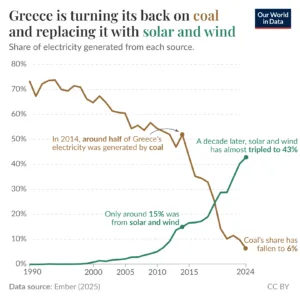
Solar and wind have become the fastest-growing sources of new electricity generation capacity globally in recent years. The falling costs described above drive that. Adoption still varies enormously by country and region, based on policy support, existing grid infrastructure, and resource availability such as sunlight, wind, and geothermal potential. Some regions have moved aggressively toward high renewable-generation shares. Others remain more dependent on existing fossil fuel infrastructure due to cost, policy, or grid stability considerations specific to their situation. This global variation is a useful reminder that “clean energy adoption” is not a single uniform story – the pace and shape of transition differs meaningfully by market, which is also why the state-by-state and utility-by-utility variation in US incentive and net-metering policy discussed in our clean energy incentives guide exists in the first place.
Environmental Impact Beyond Emissions
Clean energy’s environmental case extends beyond carbon emissions. Solar and wind avoid the air pollution associated with fossil fuel combustion, including particulate matter, sulfur dioxide, and nitrogen oxides. That carries direct public health benefits alongside climate ones. In many cases they also avoid the water use associated with fossil fuel extraction and thermal power plant cooling. This doesn’t mean clean energy has zero environmental footprint – manufacturing, land use, and end-of-life material recovery all carry real considerations, covered in our clean energy technology trends guide under recycling and circular economy – but the comparison across the full lifecycle still favors clean energy sources on most environmental metrics against fossil fuel alternatives.
Clean Energy and Public Health
Reduced air pollution from displacing fossil fuel combustion has a measurable public health dimension, separate from climate considerations. Studies of regions that have shifted toward cleaner electricity generation have documented reductions in air-pollution-related respiratory and cardiovascular health impacts. This angle is genuinely under-discussed in casual clean energy conversation, which tends to focus almost entirely on climate framing. It is a real and separately meaningful benefit. It also does not depend on any particular view of climate policy. Cleaner air is a directly observable, immediate benefit, distinct from the longer-timescale climate case.
Frequently Confused Terms, Defined
| Term | Meaning |
|---|---|
| LCOE (levelized cost of energy) | A standardized lifetime cost-per-unit-of-energy metric used to compare different generation types on equal footing |
| Baseload power | Consistent, always-available generation capacity, traditionally provided by fossil fuel, nuclear, or hydro plants |
| Intermittency | The variability of solar/wind output based on weather and time of day, requiring storage or backup for full reliability |
| Grid parity | The point at which a clean energy source’s cost matches or beats conventional generation without subsidy |
| Energy payback time | How long a generation source takes to produce as much energy as was used to manufacture and install it |
Having these terms clear makes it considerably easier to evaluate any specific clean energy claim or comparison encountered elsewhere, including in installer sales materials and broader media coverage.
Where to Go From Here
If solar for your own home is the actual decision in front of you, the general clean energy landscape covered above is background – the actionable next steps are sizing a system to your real usage (our payback calculator), understanding your local net metering policy (our net metering guide), and knowing the current incentive stack available to you (our incentives and financing guide). This overview is meant to inform that decision with accurate context, not replace the household-specific calculation those guides walk through.
Common Mistakes
- Treating all clean energy myths as equally outdated or equally valid – some genuinely reflect real, if shrinking, limitations (intermittency); others are simply false (energy payback, cold-climate performance).
- Confusing “renewable” and “clean” as always interchangeable – matters in policy and program-eligibility contexts specifically.
- Comparing household solar cost to grid-level LCOE figures – use your own utility rate and system cost, not a national generation-cost statistic, for a personal decision.
- Assuming going solar means going off-grid – most residential solar stays grid-connected under net metering.
Frequently Asked Questions
Is nuclear power considered clean energy?
Generally yes under “clean” (low direct emissions) definitions, but not under “renewable” definitions, since it relies on mined uranium fuel rather than a naturally replenishing source – the distinction matters mainly in policy and incentive-eligibility contexts.
Is clean energy actually cheaper than fossil fuels now?
Solar and wind have become cost-competitive with, and often cheaper than, new fossil fuel generation on a lifetime cost basis in many markets – a relatively recent shift driven by manufacturing scale and technology improvement.
Do solar panels really work in cold or cloudy climates?
Yes – panels are slightly more efficient in cooler temperatures and still produce meaningful power under cloud cover, just at reduced output. Some high-solar-adoption regions aren’t uniformly sunny climates.
What is the biggest genuine limitation of clean energy, if the myths are false?
Intermittency for solar and wind specifically – output varies with weather and time of day, requiring storage or grid backup for full reliability. This is real, though shrinking as storage costs fall, unlike the debunked myths above.
Does going solar mean disconnecting from the utility grid?
No – the large majority of residential solar installations remain grid-connected under net metering, using the grid as backup and to export/import power rather than operating fully independently.
Does clean energy have any environmental downsides at all?
Yes – manufacturing, land use, and end-of-life material recovery all carry real considerations, though the full lifecycle comparison still generally favors clean energy sources over fossil fuel alternatives on most environmental metrics.
Is the public health benefit of clean energy separate from its climate benefit?
Yes – reduced air pollution from displacing fossil fuel combustion has directly measurable, more immediate public health effects (respiratory and cardiovascular) distinct from the longer-timescale climate case, and doesn’t depend on any particular climate-policy viewpoint.
Why does clean energy adoption vary so much by country?
Policy support, existing grid infrastructure, and natural resource availability (sunlight, wind, geothermal potential) all vary by region, producing meaningfully different adoption paces and technology mixes even among otherwise similar economies.
Conclusion
Clean energy covers a broader technology landscape than solar alone. Its tradeoffs are real, even if often overstated or outdated in popular discussion. They are worth understanding honestly rather than through oversimplified myths in either direction. For the household-actionable version of this decision, see our payback period calculator and home battery storage guide.
Further reading: U.S. Energy Information Administration – Renewable Energy Explained and Wikipedia – Renewable energy.
For efficiency, heat and the wider picture, see the clean energy and efficiency topic guide.
Related Posts
Leave a Comment
Your comment will be published after it has been approved. Please send comments that do not contain slang words.