
Ground Mount Solar: Cost, Foundations, Permits and When It Beats a Roof
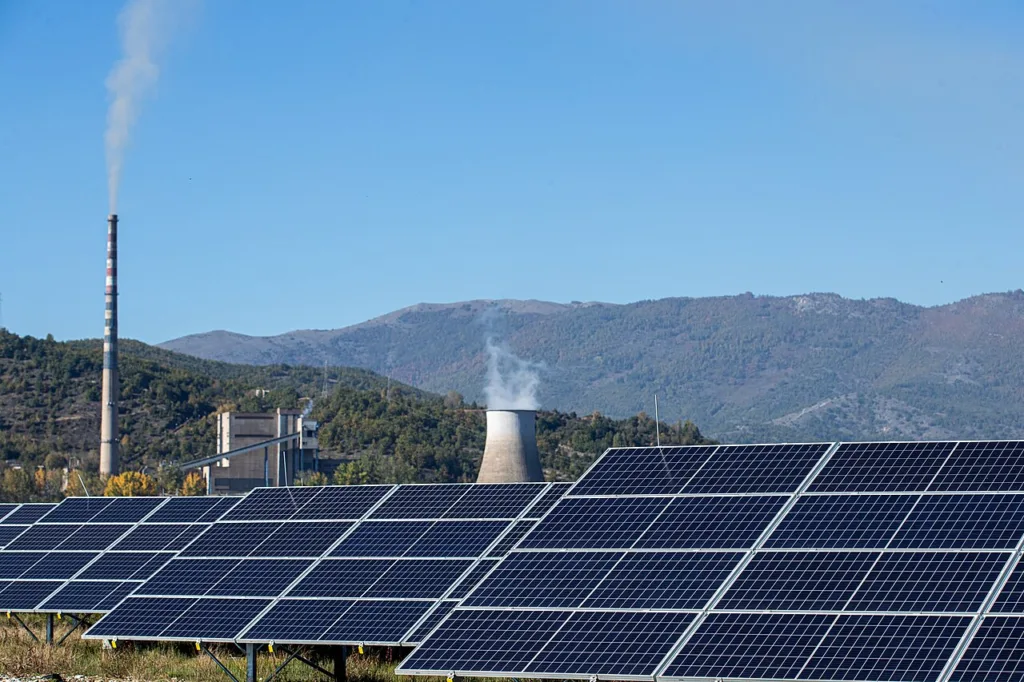
Quick answer: A ground-mounted array costs more than a rooftop array, usually because of foundations, racking steel and a trenched conduit run. In exchange you get perfect tilt and orientation, easy cleaning, no roof penetrations, and room to expand. If you have open land and a shaded or aging roof, ground mount is often the better long-term build.
What this guide covers
- The three ground-mount types
- What the extra cost actually buys
- Ground mount vs roof mount
- Site, setbacks and permits
- Foundations and frost depth
- The trench nobody budgets for
- Common mistakes
- FAQ
The three ground-mount types
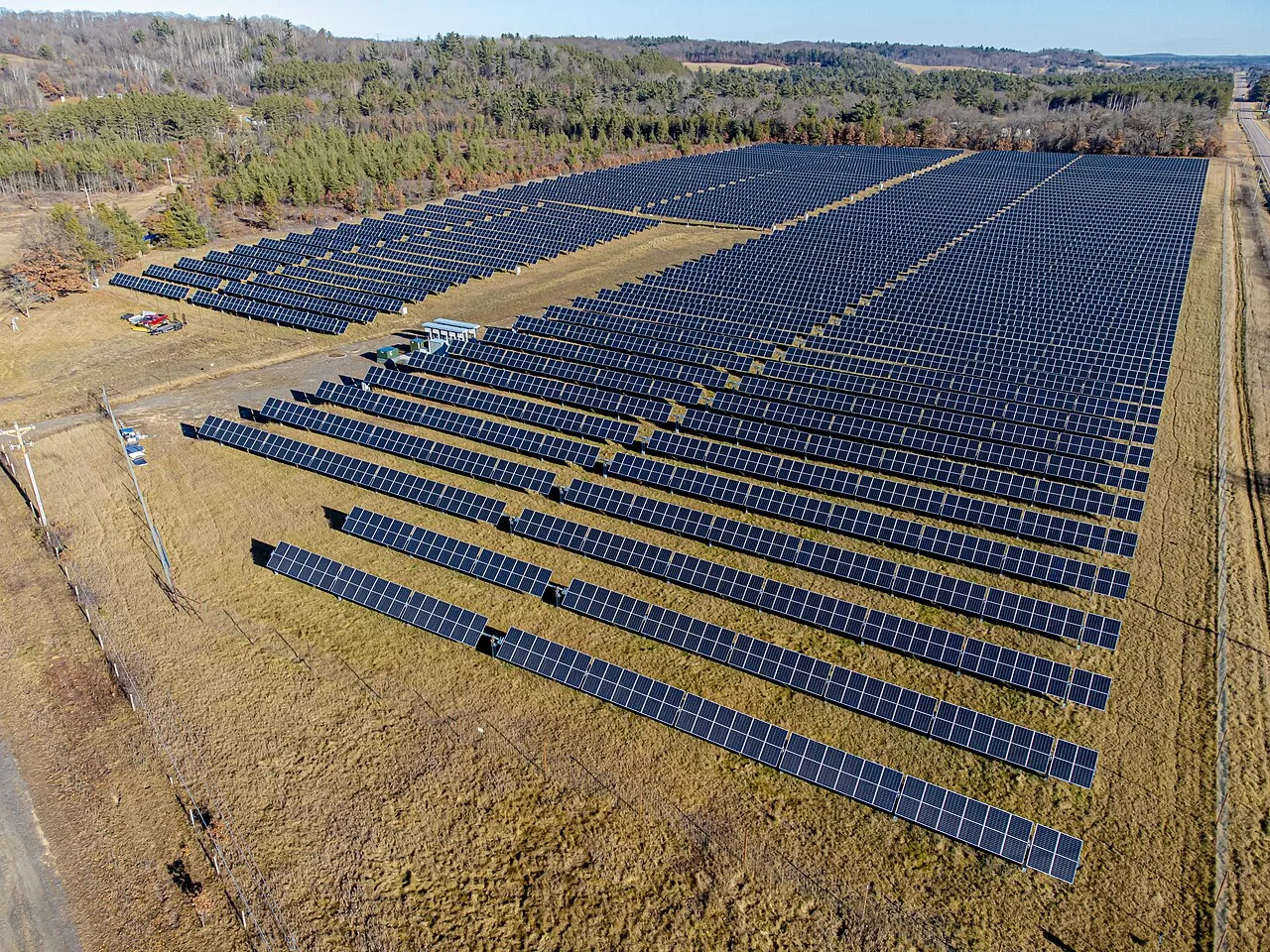
Fixed-tilt racking. This is the standard build. Steel or aluminum rails sit on posts set at one angle. It is the cheapest option and has nothing to service.
Pole mount. A single thick post carries a whole panel table. Pole mounts lift the array high, which helps in deep snow and keeps livestock or floodwater clear. They cost more per watt because the foundation carries all the wind load at one point.
Single-axis tracker. The array pivots east to west through the day. Trackers can add roughly 15% to 25% annual output depending on climate. They also add moving parts, motors and a maintenance schedule. On small residential systems the extra hardware rarely pays back. On larger sites it often does.
What the extra cost actually buys
Ground mount adds cost in four places. Foundations, racking steel, the trench, and extra permitting.
You get four things back. First, you set the tilt and azimuth exactly where the site wants them instead of accepting whatever the roof gives you. Second, airflow under the panels keeps cell temperature lower, which raises output slightly. Third, cleaning, inspection and repairs happen at ground level. Fourth, you never put a hole in your roof, and you never have to remove panels for a re-roof.
That last point is worth real money. Removing and reinstalling a rooftop array during a roof replacement is a four-figure job. Read the residential installation process for how that sequencing works.
Ground mount vs roof mount
| Factor | Ground mount | Roof mount |
|---|---|---|
| Installed cost per watt | Higher | Lower |
| Tilt and orientation | Chosen for best yield | Fixed by the roof |
| Panel temperature | Cooler, better airflow | Warmer, slight output loss |
| Maintenance access | Ground level | Requires roof work |
| Roof penetrations | None | Dozens, all sealed |
| Land use | Roughly 7 to 9 sq ft per 100W | None |
| Permitting | Often zoning plus electrical | Usually electrical and structural |
| Expansion | Add another row | Limited by roof area |
Site, setbacks and permits
Ground mounts are treated as structures in most jurisdictions. That changes the paperwork.
Expect property line setbacks, a height limit, and sometimes a rule about front-yard placement. Homeowner associations often restrict visibility from the street. Agricultural and rural parcels usually have the easiest path.
Check three things before you design anything. The setback distance from every property line. The maximum structure height allowed. Whether your parcel has a recorded easement crossing the area you want to use.
Row spacing matters too. Rows must be far enough apart that the front row does not shade the back row at low winter sun angles. A common rule is a spacing of about two to three times the row height, but the correct number depends on latitude. Our guide to solar land requirements explains the geometry at larger scale.
Foundations and frost depth
There are three normal foundation choices.
Driven piers. Steel posts hammered directly into soil. Fast, cheap and the standard for good ground. Requires a soil test or a pull test to confirm holding capacity.
Ground screws. Helical screws turned into the soil. They work in mixed ground and can be removed later without demolition.
Concrete piers or ballast. Used in rock, in high wind zones, or where you cannot drive posts. The most expensive of the three.
Whatever you choose, foundations must extend below the local frost line. If they do not, freeze and thaw cycles will heave the array out of alignment over a few winters. Frost depth varies from a few inches in the south to more than four feet in northern states.
Wind load is the other design driver. An array is a large sail. Racking must be engineered for the wind speed and exposure category at your address, not a generic default.
The trench nobody budgets for
The array has to reach the house. That means a trench, conduit, and conductors sized for the distance.
Long runs cause voltage drop. The fix is either larger conductors or higher string voltage. Both cost money, and the cost rises with distance. A 40-foot run is trivial. A 300-foot run can add a serious line item.
Budget for the trench depth your code requires, for a pull box if the run has bends, and for restoring whatever the excavator drove over. If the trench crosses a driveway, the price changes again.
This single item is the most common reason a ground-mount quote comes in higher than the homeowner expected. Ask for it as a separate line before you compare bids. See solar panel cost for how the rest of the quote should break down.
Common mistakes
Designing before checking setbacks. Zoning can move your entire array, which changes the trench length and the price.
Underestimating vegetation. Grass and brush grow into the bottom row and shade it. Plan for gravel, ground cover or a mowing routine from day one.
Setting the array too low. In snow country the bottom edge should clear the deepest expected drift, or you lose winter production and risk panel damage. See snow removal for the tradeoffs.
Skipping the soil test. Driven piers fail in soft or sandy ground. Finding that out after installation is expensive.
Ignoring theft and damage. Ground arrays are reachable. Fencing, tamper-resistant hardware and a clear line of sight are cheap insurance.
FAQ
How much land does a ground-mount system need?
Plan on roughly 7 to 9 square feet per 100 watts for a fixed-tilt array, plus space between rows so they do not shade each other.
Is ground mount more expensive than roof mount?
Yes, usually. Foundations, racking and trenching add cost. The gap narrows on large systems and on sites with a difficult roof.
Do ground-mounted panels produce more energy?
Often yes. You can set the ideal tilt and azimuth, and better airflow keeps the panels cooler. The gain depends on how bad the roof alternative was.
Do I need a building permit for a ground mount?
Almost always. Most jurisdictions treat it as a structure and require zoning review plus an electrical permit.
How deep do the posts need to go?
Below the local frost line, and deep enough to resist wind uplift. The engineered depth comes from a soil test and the wind design for your area.
Can I mow under the panels?
Yes if the array is set high enough. Many owners use gravel or low ground cover under the first row instead.
Is a tracker worth it for a home system?
Usually not. The extra output rarely covers the extra hardware and maintenance at residential scale.
Where to go next
If you are comparing build types, read DIY solar panel installation and panel cleaning, which is far easier on a ground array. For larger sites, see solar farm ROI.
Structural and siting guidance is published by the U.S. Department of Energy and the National Renewable Energy Laboratory.
Related Posts
Leave a Comment
Your comment will be published after it has been approved. Please send comments that do not contain slang words.