
Utility Scale Solar Environmental Impact
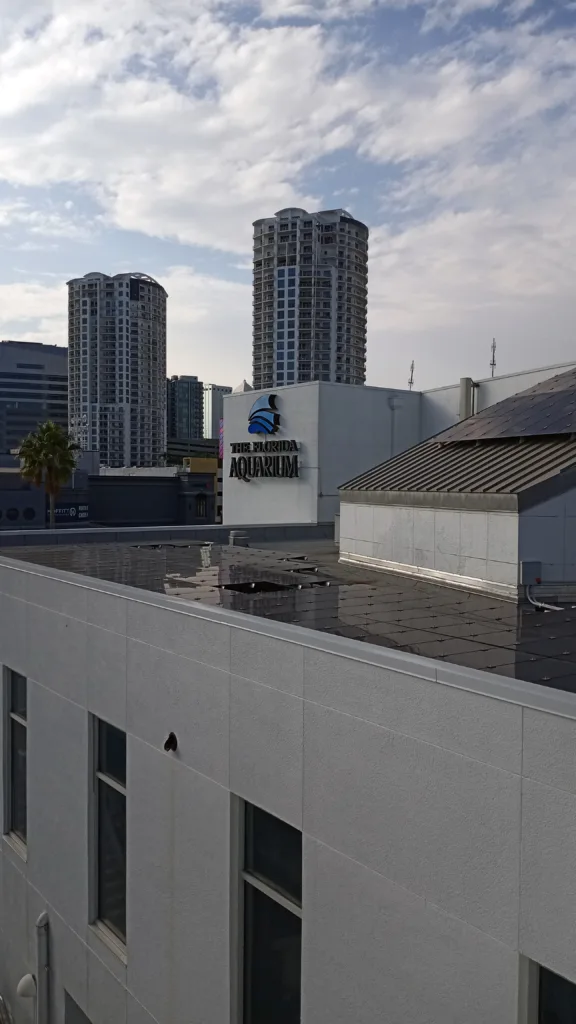
Utility-scale solar environmental impact deserves an honest accounting – real benefits (avoided emissions, reduced air pollution) alongside real, if generally smaller and more manageable, tradeoffs (land use, habitat disruption, construction-phase impacts) rather than the “zero impact” framing sometimes implied by advocacy marketing.
This guide covers utility-scale solar’s environmental impact honestly across its full lifecycle. That means construction, operation, and end of life. It also compares that profile to the fossil fuel generation solar displaces.
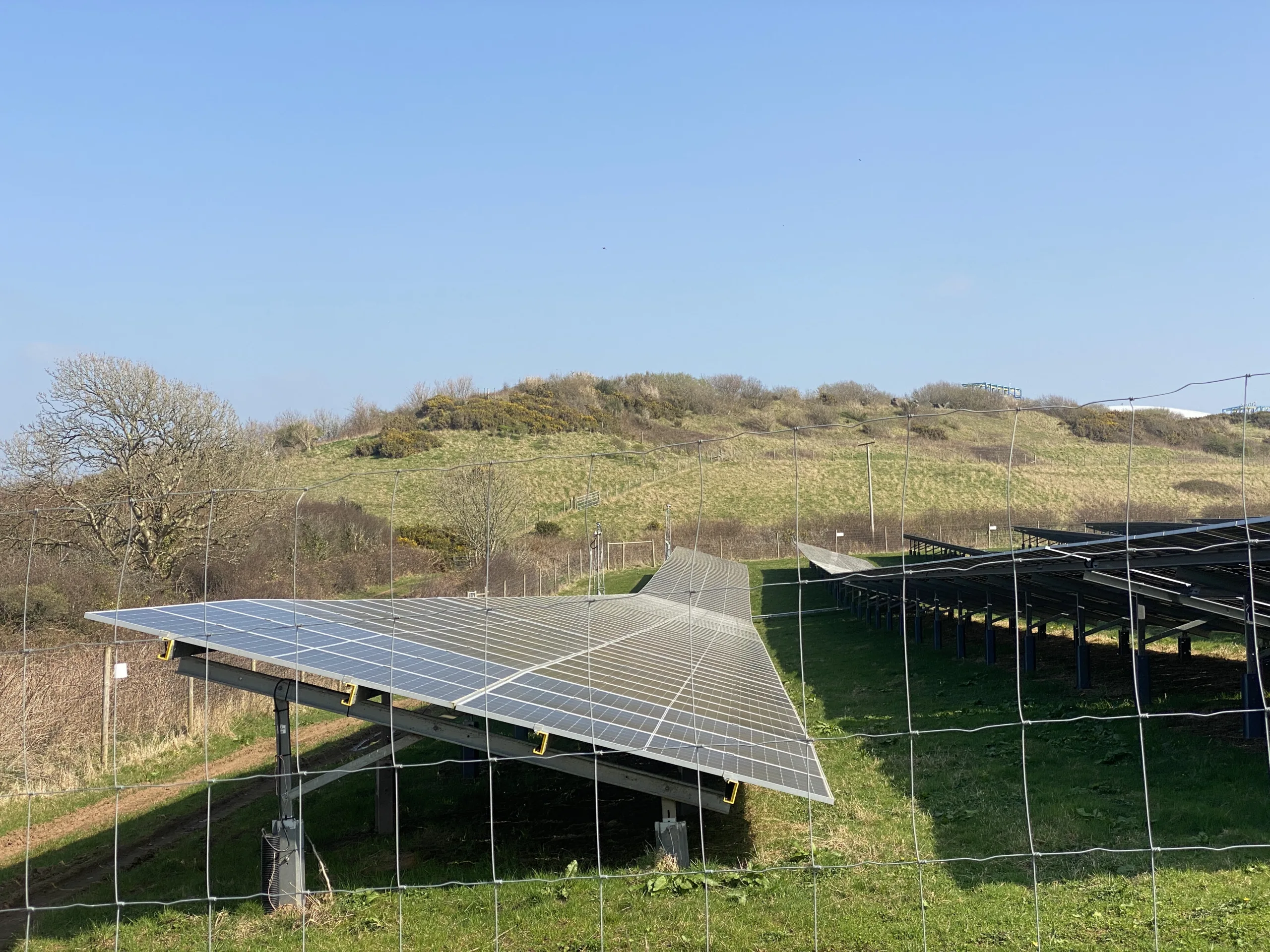
Table of Contents
- The Core Emissions Benefit
- Construction-Phase Impacts
- Operational-Phase Impacts
- Habitat and Wildlife Considerations
- Water Use Comparison
- End-of-Life Environmental Considerations
- A Net Environmental Assessment
- Embodied Carbon: Manufacturing Emissions
- The Community Environmental Review Process
- Common Mistakes and Misconceptions
- Frequently Asked Questions
The Core Emissions Benefit
Utility-scale solar’s primary environmental benefit is straightforward: displacing fossil fuel generation avoids the direct carbon emissions and air pollution (particulate matter, sulfur dioxide, nitrogen oxides) that combustion generation produces continuously over the plant’s operating life. This benefit compounds over a project’s 25-35 year operating life and is the foundational reason utility-scale solar development is prioritized in climate and clean-air policy – see our clean energy solutions guide for the public health dimension of this benefit specifically.
Construction-Phase Impacts
Construction is typically the most environmentally disruptive phase of a solar project’s life. It involves land clearing and grading, temporary habitat disturbance, increased local traffic and dust, and construction equipment emissions. These impacts are real but temporary. They generally last the 6 to 18 month construction period rather than persisting through the 25 to 35 year operating life. Responsible development includes construction-phase mitigation measures (erosion control, dust suppression, work-hour restrictions in sensitive areas) as standard practice in most modern permitting processes.
Operational-Phase Impacts
Once operating, a solar farm’s ongoing environmental footprint is quite low compared to construction. Generation itself produces no emissions, and water use is minimal, as covered below. The main ongoing consideration is the sustained land conversion for the operating life, not any new active impact. Ground cover beneath and around panels is often grass or low vegetation. In some cases it can support pollinator habitat or grazing use. That is an increasingly explored co-benefit rather than a pure environmental cost during the operational phase.
Habitat and Wildlife Considerations
Habitat impact is one of the more legitimate and closely reviewed environmental concerns. Required environmental assessments evaluate it before permitting. Potential impacts include fragmentation of existing habitat. They also include effects on specific sensitive or protected species present on site, and changes to local hydrology from land grading. Modern siting increasingly avoids high-sensitivity habitat where possible (part of the shift toward brownfield and marginal-land siting discussed in our land requirements guide), and mitigation measures (habitat restoration elsewhere, wildlife corridors, pollinator-friendly ground cover) are increasingly standard permitting requirements rather than optional add-ons.
Water Use Comparison
| Generation Type | Typical Water Use |
|---|---|
| Utility-scale solar (PV) | Very low – primarily occasional panel washing, no water needed for the generation process itself |
| Coal or natural gas thermal plant | High – substantial water needed for steam generation and cooling |
| Nuclear | High – significant cooling water requirements |
This is one of solar PV’s clearest environmental advantages over thermal generation sources. It is particularly relevant in water-stressed regions. There, cooling-water availability can be a genuine constraint on conventional generation.
End-of-Life Environmental Considerations
Panel recycling and land restoration at decommissioning – covered in depth in our solar panel recycling guide – are the relevant end-of-life environmental considerations, and both are areas of active infrastructure and regulatory development as the first large wave of utility-scale installations approaches end of life. This remains a genuine area of ongoing work rather than a fully solved problem. It is worth tracking as it develops. Assuming it is either a non-issue or an unaddressed crisis both miss the mark.
A Net Environmental Assessment
Several factors combine here. There is a large avoided emissions benefit over a long operating life. Construction impacts are real but temporary and increasingly well mitigated. The operational-phase footprint is low, and water use is meaningfully lower than thermal generation. End-of-life infrastructure is still developing. Taken together, utility-scale solar’s net environmental profile is strongly favorable compared to the fossil fuel generation it typically displaces. It still carries real, non-zero tradeoffs that deserve honest acknowledgment rather than a zero-impact framing.
Embodied Carbon: Manufacturing Emissions
Solar panel manufacturing itself produces emissions. These come primarily from the energy-intensive process of purifying silicon and manufacturing cells. That is a real part of solar’s full lifecycle carbon footprint. It is not an emissions-free process from cradle to grave. Current-generation panels reach carbon payback typically within 1 to 2.5 years of operation. That is the point where they offset the emissions from their own manufacturing. Set against a typical 25-year-plus operating life, the vast majority of a panel’s life represents genuine net emissions avoidance. Manufacturing emissions intensity also varies by where and how a panel is produced, with grid carbon intensity at the manufacturing location and manufacturing process efficiency both factors – part of why domestic and cleaner-grid manufacturing, discussed in our technology trends guide, has an emissions dimension alongside its trade-policy motivations.
The Community Environmental Review Process
Most utility-scale projects go through a formal environmental review process before permitting approval. Requirements vary by jurisdiction. Commonly they include an environmental impact assessment and public comment periods. Sometimes there are formal hearings where community members and stakeholder groups raise specific concerns the developer must address. Developers sometimes criticize this process as slow, and some community advocates call it insufficient. It is still the primary mechanism through which the environmental tradeoffs discussed in this guide get formally identified, debated, and mitigated. It handles them on a project-specific basis, rather than leaving them to general industry-level claims in either direction.
Common Mistakes and Misconceptions
- Treating utility-scale solar as having zero environmental impact – real, generally smaller and more manageable tradeoffs exist and deserve honest acknowledgment.
- Comparing solar’s land/construction impact without accounting for fossil fuels’ full lifecycle footprint – extraction, transport, and combustion all carry their own environmental costs.
- Assuming all construction-phase impacts persist through the operating life – most are temporary, limited to the 6-18 month construction period.
- Overlooking solar’s water-use advantage over thermal generation – a genuinely significant benefit, particularly in water-stressed regions.
Frequently Asked Questions
Does utility-scale solar have zero environmental impact?
No – it has real, generally smaller and more manageable impacts (construction disturbance, land use, habitat considerations) alongside a large avoided-emissions benefit. An honest assessment acknowledges both rather than claiming zero impact.
How does solar’s water use compare to other power plants?
Significantly lower – solar PV needs essentially no water for the generation process itself (unlike thermal plants requiring substantial cooling water), a genuine advantage particularly in water-stressed regions.
Are construction-phase environmental impacts permanent?
Generally no – most construction impacts (land clearing, temporary habitat disturbance, dust, traffic) are limited to the 6-18 month construction period, not the 25-35 year operating life.
Can solar farms actually support wildlife or pollinator habitat?
Increasingly explored as a co-benefit – ground cover beneath and around panels can support pollinator habitat or grazing use in some project designs, though this varies by specific site and design choices.
What is the biggest remaining environmental question for utility-scale solar?
End-of-life panel recycling and land restoration infrastructure – genuinely developing areas rather than fully solved, worth tracking as the first large installation wave approaches end of life.
Do solar panels really produce zero emissions?
Not entirely – manufacturing produces real emissions, though current panels reach carbon payback (offsetting those manufacturing emissions) typically within 1-2.5 years against a 25+ year operating life, meaning the vast majority of operation represents genuine net emissions avoidance.
How can community members raise environmental concerns about a proposed solar project?
Through the formal environmental review process most jurisdictions require – typically including public comment periods and sometimes formal hearings where the developer must address specific concerns raised before permitting approval.
Conclusion
Utility-scale solar’s environmental profile is strongly favorable overall. Avoided emissions are large, water use is low, and construction impacts are manageable and largely temporary. It still carries real, non-zero tradeoffs. Responsible development and honest reporting should acknowledge those rather than dismiss them. See our land requirements guide and panel recycling guide for related depth.
Further reading: U.S. Energy Information Administration – Solar Energy and the Environment and Wikipedia – Environmental impact of the energy industry.
Related Reading
For the full picture of how utility-scale solar projects come together, see our Utility-Scale Solar: The Complete 2026 Guide, covering development, financing, interconnection, and grid integration.
Related Posts
Leave a Comment
Your comment will be published after it has been approved. Please send comments that do not contain slang words.